Yazılar

Celsius Founder Alex Mashinsky Sentenced to 12 Years in Prison for Crypto Fraud

Alex Mashinsky, the founder and former CEO of defunct crypto lender Celsius Network, was sentenced Thursday to 12 years in prison after pleading guilty to securities and commodities fraud in a case that stands among the most severe stemming from the 2022 cryptocurrency market collapse.

U.S. District Judge John Koeltl in Manhattan imposed the sentence, which also includes three years of supervised release and a $48.4 million forfeiture. The ruling comes after federal prosecutors accused Mashinsky, 59, of deceiving Celsius customers about the platform’s safety and artificially inflating the value of the CEL token, Celsius’ proprietary digital asset.

The prosecution sought at least 20 years of imprisonment, describing Mashinsky’s actions as a betrayal that caused billions in customer losses while he personally gained over $48 million.

The case for tokenization and the use of digital assets is strong, but it is not a license to deceive,” said U.S. Attorney Jay Clayton in a post-sentencing statement.

Mashinsky had asked for a sentence of just one year and one day, expressing remorse and a desire to make amends. His attorneys did not immediately provide comment following the sentencing.

Founded in 2017, Celsius was based in Hoboken, New Jersey, and promised high-yield returns, offering up to 17% interest on some crypto deposits. Like other lenders in the crypto space, Celsius attracted customers with the promise of easy lending and high returns while funneling deposits to institutional borrowers in hopes of profiting from the spread.

However, the model collapsed under the weight of falling crypto prices. In July 2022, Celsius filed for Chapter 11 bankruptcy with a $1.19 billion balance sheet deficit, after a customer run on deposits.

Mashinsky’s sentencing follows the high-profile conviction of FTX founder Sam Bankman-Fried, who is serving 25 years for fraud and is currently appealing. Mashinsky also faces ongoing civil lawsuits from the SEC, CFTC, FTC, and New York Attorney General Letitia James.

Born in Ukraine, Mashinsky immigrated to Israel and later moved to New York City in 1988, where he became a prominent tech entrepreneur before his fall from grace in the crypto world.

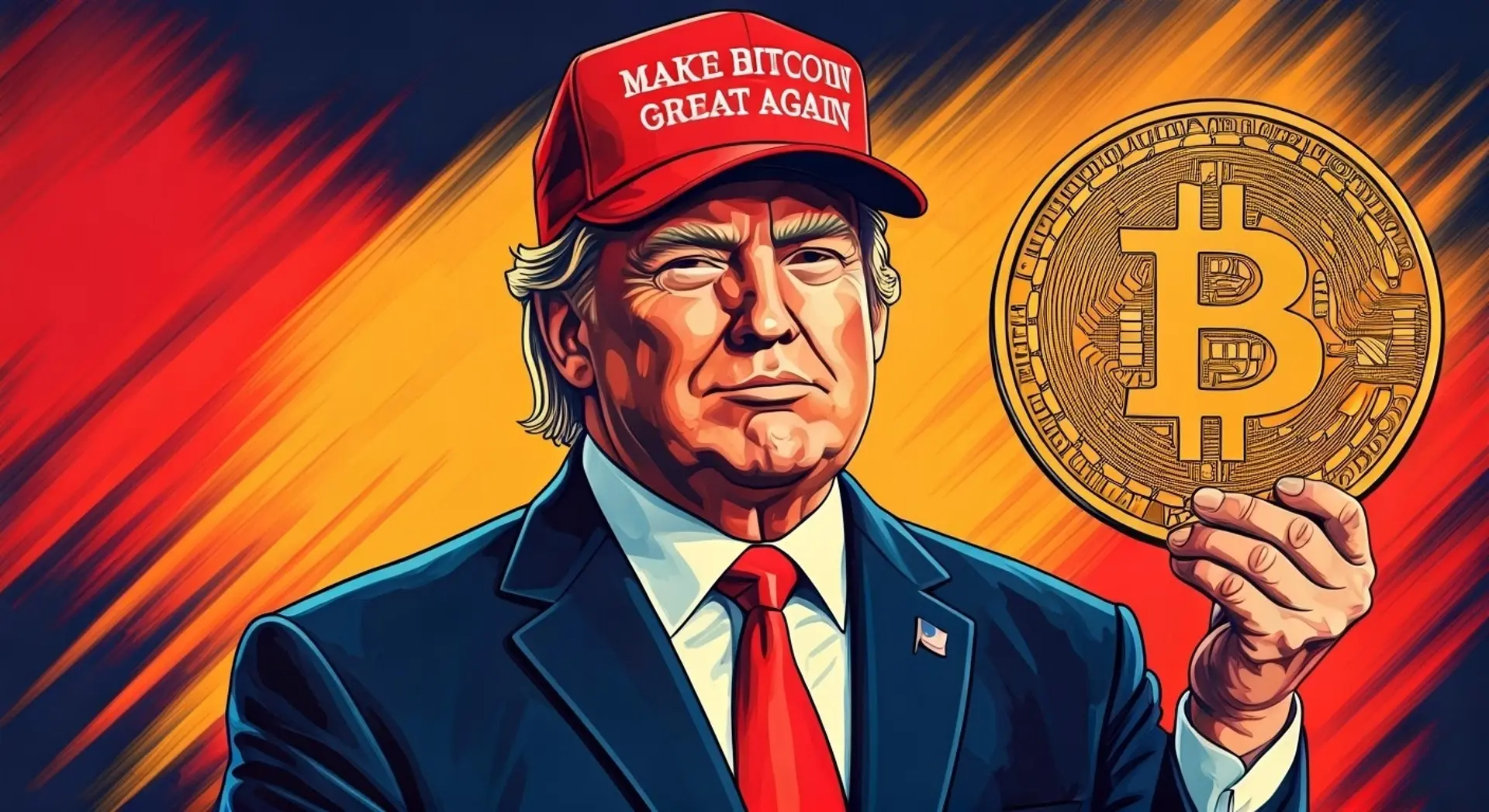
Trump’s Crypto Ties Disrupt Bipartisan Push for U.S. Digital Asset Regulation

Tensions over Donald Trump’s growing cryptocurrency ventures spilled into Capitol Hill this week, jeopardizing hopes for a bipartisan breakthrough on U.S. digital asset legislation in 2024. A scheduled joint hearing between the House Financial Services and Agriculture Committees was effectively canceled after Representative Maxine Waters objected, citing ethical concerns tied to Trump’s crypto dealings.

Trump’s ventures include $Trump, a meme coin launched in January, and World Liberty Financial, a crypto firm partially owned by him. Both have sparked criticism over potential conflicts of interest, especially given Trump’s vocal support for deregulating the crypto industry and his campaign efforts to attract donations from crypto stakeholders.

Waters accused Republicans of turning a blind eye to what she described as Trump’s abuse of power”, stating, “I cannot in good faith agree to such a hearing to discuss crypto market structure” under those circumstances. Her objection derailed a session that was expected to shape the first-ever comprehensive U.S. regulatory framework for digital assets.

Republican committee chair French Hill expressed frustration, saying Waters’ move introduced unnecessary partisanship into what had been a bipartisan effort.

The White House responded, with Deputy Press Secretary Anna Kelly asserting there is no conflict of interest, emphasizing that Trump’s assets are managed by his children through a trust. “President Trump is dedicated to making America the crypto capital of the world,” she added.

The controversy casts doubt on the future of other crypto-related legislation, including a key stablecoin bill that would regulate cryptocurrencies pegged to traditional assets like the U.S. dollar. The bill was once seen as a legislative priority, but Democrats are now resisting over concerns about weak anti-money laundering measures and the use of a World Liberty Financial stablecoin in a $2 billion deal with a UAE-based firm investing in Binance.

While Republicans — who hold a Senate majoritymay still pass the bill, growing division risks undermining the crypto industry’s narrative that regulation can be a bipartisan success story.

Trump Pardons BitMEX Co-Founders and Former Employee

U.S. President Donald Trump has granted pardons to the three co-founders of cryptocurrency exchange BitMEX—Benjamin Delo, Arthur Hayes, and Samuel Reed—along with former employee Gregory Dwyer and the entity operating the exchange. The decision, confirmed by a White House official on Friday and by BitMEX itself, comes after the co-founders pleaded guilty in 2022 for failing to comply with anti-money laundering (AML) regulations under the Bank Secrecy Act.

The pardons are viewed as a positive development for the crypto industry, particularly as optimism grows regarding looser regulations under Trump. Throughout his campaign, Trump courted crypto donors and pledged support for the sector. The BitMEX founders had faced accusations of willfully violating the Bank Secrecy Act between 2015 and 2020 by not adopting proper anti-money-laundering and “know your customer” (KYC) programs.

In addition to the BitMEX pardons, Trump also pardoned Trevor Milton, the founder of the bankrupt electric truck company Nikola, who was convicted of fraud.