Yazılar

Amundi Warns U.S. Stablecoin Policy Risks Destabilizing Global Payment Systems

Europe’s largest asset manager, Amundi, has expressed concerns over the potential destabilizing effects of the U.S. GENIUS Act, which aims to establish a regulatory framework for U.S. dollar-backed stablecoins. The policy could accelerate the adoption of dollar-pegged cryptocurrencies worldwide, triggering significant shifts in money flows and potentially undermining the global payment system.

The GENIUS Act, passed by the U.S. Senate and expected to be approved soon by the House and President Donald Trump, mandates stablecoins be pegged to the U.S. dollar. JPMorgan estimates that stablecoins in circulation could double to $500 billion in the coming years, with some forecasts reaching $2 trillion. The increase in stablecoin use would drive demand for U.S. Treasury bonds, providing fiscal benefits for the U.S. but raising concerns about weakening the dollar’s international position.

Vincent Mortier, Amundi’s Chief Investment Officer, highlighted that stablecoins might send a message that the dollar is losing strength, especially as over 80% of stablecoin transactions occur outside the U.S. This raises fears about “dollarization,” where foreign economies increasingly depend on the dollar without direct banking ties to the U.S., which could threaten their monetary sovereignty.

European officials have also voiced alarm. Italy’s Finance Minister Giancarlo Giorgetti labeled U.S. stablecoin policies as a greater threat to Europe’s financial stability than trade tensions. Similarly, the Bank for International Settlements warned about stablecoins’ risks to monetary sovereignty, transparency, and the potential for capital flight from emerging markets.

Mortier noted that stablecoins could act like “quasi-banks” as users treat them like deposits redeemable on demand. Their growing use as direct payment methods could further disrupt traditional banking and payment infrastructures, increasing risks to global financial stability.

Though Amundi currently holds no crypto assets, Mortier remains cautious about stablecoins, emphasizing their possible negative consequences on the global payment ecosystem.

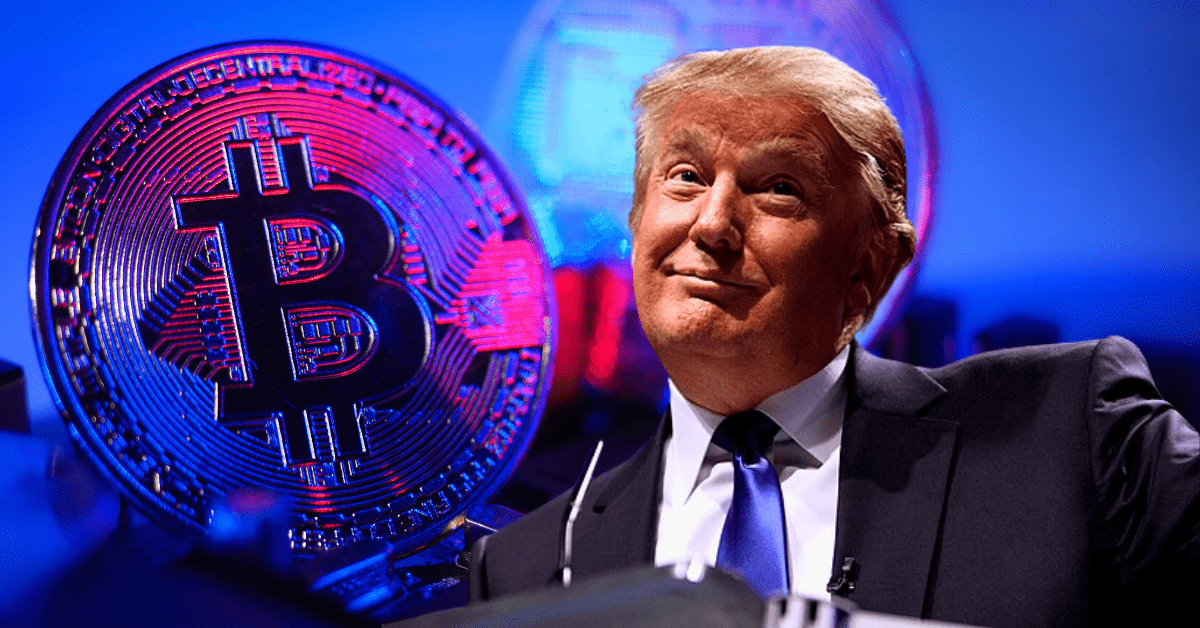
Crypto Giants Near EU-wide Licenses Amid Regulatory Tensions

Two of the largest cryptocurrency firms are close to securing EU-wide licenses under the bloc’s new Markets in Crypto-Assets (MiCA) regulation, sources say, even as regulatory disagreements grow over how quickly and rigorously some member states are approving crypto companies.

MiCA, which came into force earlier this year, allows EU countries to issue licenses enabling crypto firms to operate across all 27 member states. However, concerns have emerged behind closed doors about the speed and standards of some approvals—particularly those from smaller regulators like Malta.

Gemini, the crypto trading platform founded by billionaire Winklevoss twins Tyler and Cameron, is reportedly on the brink of receiving a Maltese license. Malta has previously granted licenses to crypto firms such as OKX and Crypto.com shortly after MiCA’s introduction, drawing criticism from regulators in countries like France, where the financial regulator AMF warned of a potential “regulatory race to the bottom.”

Other EU regulators have voiced concern that smaller authorities with fewer staff, like Malta’s, may not have sufficient resources to rigorously enforce rules. The European Securities and Markets Authority (ESMA) is reviewing Malta’s licensing process and is expected to release a report soon.

The Malta Financial Services Authority defended its fast approvals, citing years of experience and strict anti-money laundering standards. OKX also described its licensing as “rigorous” and compliance-focused.

Meanwhile, Luxembourg is expected to grant a license to Coinbase, the first U.S. crypto company in the S&P 500, though the company’s European operation in Luxembourg is relatively small. Luxembourg’s financial regulator has declined comment, but insiders reject accusations of laxity, suggesting some criticism is driven by competition among member states to attract crypto businesses.

Coinbase’s pending approval represents a setback for Ireland, where skepticism toward crypto has grown, with the Irish Central Bank Governor calling it akin to a Ponzi scheme in 2023.

The global crypto market, currently valued around $3.3 trillion, has endured volatility including the 2022 collapse of major U.S. exchange FTX. The EU continues to struggle with regulatory divergence among member states, while discussions are ongoing about granting ESMA more direct authority over crypto oversight.

ESMA’s head, Verena Ross, has advocated publicly for enhanced powers, but some EU countries remain cautious.

Trump Reports Over $600 Million in Income from Crypto, Golf, and Licensing Ventures

Donald Trump disclosed more than $600 million in income from cryptocurrency, golf clubs, licensing deals, and other businesses in a financial report released on Friday, offering insight into the expansive portfolio of the billionaire former president.

The report, which appears to cover the 2024 calendar year, highlights Trump’s growing earnings from cryptocurrency ventures alongside revenues from real estate developments, golf resorts, and licensing agreements. Reuters estimates Trump’s total assets at a minimum of $1.6 billion based on the disclosure.

Although Trump has placed his businesses in a trust managed by his children, the income still flows to him, raising concerns about potential conflicts of interest. Some cryptocurrency-related businesses have benefited from policies enacted under Trump’s administration, fueling criticism.

White House press secretary Karoline Leavitt emphasized the administration’s commitment to transparency and compliance with ethics rules in a statement to Reuters.

Key highlights from the disclosure include:

  • The meme cryptocurrency $TRUMP reportedly generated $320 million in fees, though the distribution of those fees remains undisclosed.

  • The Trump family earned over $400 million from World Liberty Financial, a decentralized finance company, with Trump personally reporting $57.35 million from token sales and holding 15.75 billion governance tokens.

  • The family is involved in bitcoin mining operations and digital asset ETFs.

  • Trump Media & Technology Group, owner of Truth Social, represents a significant part of Trump’s reported wealth.

  • Passive investments, including stakes in Blue Owl Capital, Charles Schwab, and Invesco funds, generated at least $12 million in income from assets valued at $211 million.

  • Trump’s golf resorts in Florida—Jupiter, Doral, and West Palm Beach—and the Mar-a-Lago private club earned at least $217.7 million in revenue, with the Miami-area Trump National Doral golf resort alone bringing in $110.4 million.

  • The disclosure also noted international income streams, including $5 million in licensing fees from a Vietnamese development, $10 million in development fees from a project in India, and nearly $16 million in licensing fees from a Dubai project.

  • Additional royalty income includes $1.3 million from the Greenwood Bible, $2.8 million from Trump Watches, and $2.5 million from Trump Sneakers and Fragrances.

  • Trump’s NFTs brought in $1.16 million, while First Lady Melania Trump earned approximately $216,700 from licensing her own NFT collection.

The financial disclosure provides a snapshot of Trump’s diverse and global business interests during his presidency, with significant earnings from emerging sectors like cryptocurrency alongside traditional revenue streams.