Yazılar

U.S. Data Center Construction Hits Record $40 Billion Amid AI Boom

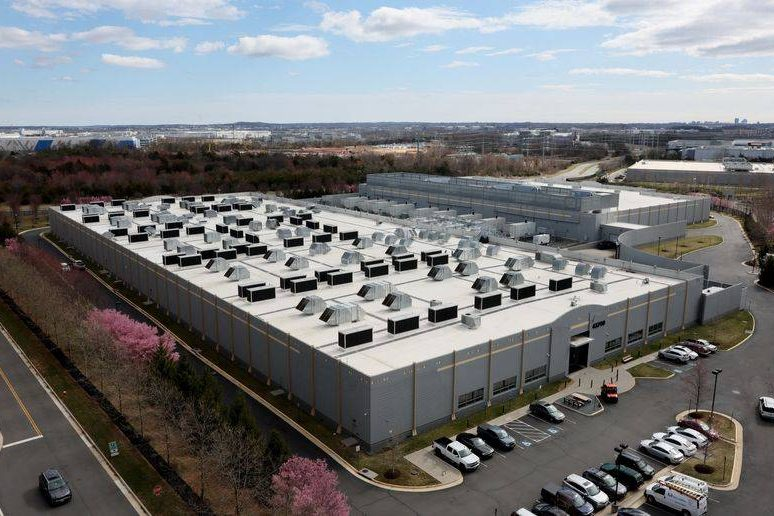
Construction spending on U.S. data centers hit a record $40 billion at a seasonally adjusted annual rate in June, according to a new report from the Bank of America Institute. The surge reflects the massive capital pouring into AI infrastructure by major technology companies.

By the Numbers

The $40 billion figure represents a 30% jump from last year, following an even steeper 50% surge in 2024, based on U.S. Census Bureau data.

Why It Matters

The explosive growth of generative AI and machine learning has triggered an unprecedented demand for computing power. Tech giants including Microsoft, Alphabet, and Amazon are investing billions to expand their hyperscale data centers, enabling them to run AI workloads at scale. This infrastructure boom has also fueled record sales for Nvidia, whose GPUs power much of the AI ecosystem and now account for the bulk of its revenue.

Key Quotes

Hyperscalers are a big part of the increased demand for power, but they’re not the whole picture,” Bank of America Institute economists led by Liz Everett Krisberg noted.
They emphasized that much of the projected growth in U.S. electricity demand through 2030 will also come from EV adoption, industrial reshoring, building electrification, and heating systems — highlighting how AI-driven infrastructure is just one force in a broader energy transformation.

Nebius to Raise $3 Billion Following Landmark Microsoft Deal

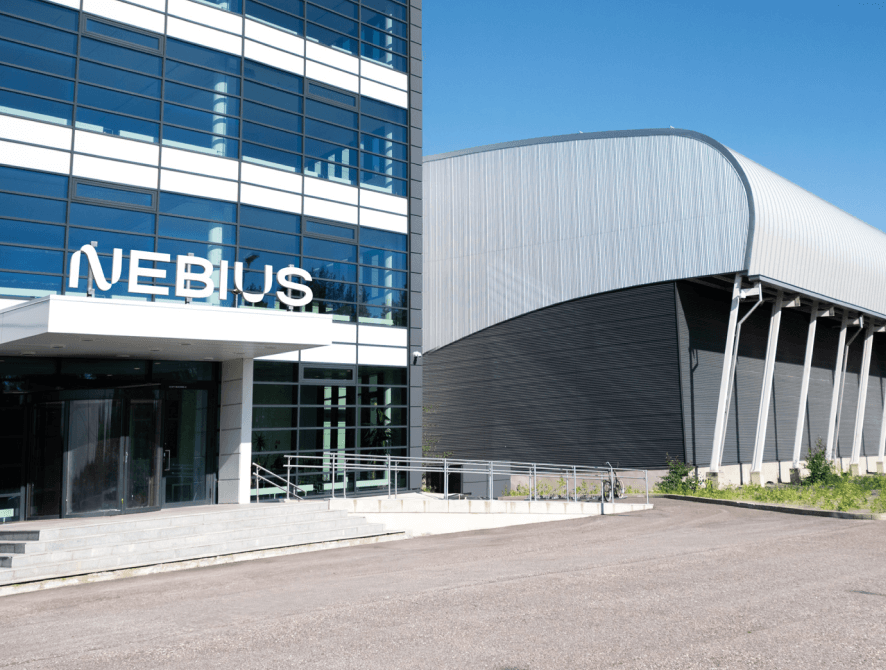
AI infrastructure company Nebius Group announced Wednesday it will raise $3 billion to accelerate growth in its artificial intelligence cloud business, just days after striking a $17.4 billion deal with Microsoft.

The funding package includes a $2 billion private offering of convertible senior notes and a $1 billion underwritten public offering of class A shares. Goldman Sachs will serve as the lead book-running manager, joined by Morgan Stanley, BofA Securities, and Citigroup.

Nebius said the funds will be used to expand its compute and hardware capacity, secure land from reliable providers, and grow its data center footprint.

The announcement follows Monday’s news that Nebius will provide Microsoft with GPU infrastructure capacity for five years, a contract worth up to $19.4 billion if additional services are included. The deal sent Nebius’ Nasdaq-listed shares soaring 49% to a record high on Tuesday, though they slipped 5.6% in pre-market trading Wednesday. Year to date, shares have climbed an impressive 245%.

Nebius was formed after splitting assets from Russian tech company Yandex. Its rise highlights the surging demand for data center capacity worldwide, driven by the explosive growth of generative AI technologies.

Trump EPA Proposes Faster Permitting to Speed AI Infrastructure Buildout

The Environmental Protection Agency (EPA) under President Donald Trump unveiled a proposal on Tuesday to accelerate permitting for AI-related infrastructure, allowing companies to begin construction of certain facilities before receiving Clean Air Act air permits.

Key elements of the proposal

  • Early construction allowance: Firms could start building parts of projects not directly tied to emissions before permits are finalized.

  • Target facilities: Power plants, manufacturing hubs, and data center infrastructure.

  • Objective: Reduce permitting delays that have long been cited as barriers to large-scale projects.

EPA Administrator Lee Zeldin said:

“For years, Clean Air Act permitting has been an obstacle to innovation and growth. We are continuing to fix this broken system.”

Context

  • The proposal follows the EPA’s “Powering the Great American Comeback” initiative launched six months ago, prioritizing power generation for AI-driven data centers.

  • The U.S. and China remain locked in a tech arms race, with AI development central to both economic and national security ambitions.

  • Rapid AI adoption is fueling surging demand for power, putting pressure on utilities and grids nationwide.

Regulatory background

  • Under the New Source Review program, companies cannot normally begin construction of major facilities before securing air permits.

  • The Trump administration is pushing a deregulatory agenda, including repeals of scientific and legal bases for greenhouse gas regulation — a move widely criticized by environmentalists.

Implications

  • Supporters argue the change will fast-track AI infrastructure, critical for U.S. competitiveness.

  • Critics warn it could weaken environmental safeguards and increase pollution risks while AI-related energy demand skyrockets.