Yazılar

ABB Confident in Data Center Growth Despite DeepSeek’s Energy-Efficient AI

ABB CEO Morten Wierod expressed confidence in the continued growth of the data center market, despite concerns over the impact of DeepSeek’s low-energy AI models. Speaking on Thursday after ABB reported its fourth-quarter results, Wierod reassured investors that demand for the company’s electrification products remains strong.

DeepSeek, a Chinese AI startup offering a more energy-efficient alternative to U.S. rivals, caused a selloff in tech stocks earlier in the week after surpassing OpenAI’s ChatGPT in downloads on Apple’s App Store. The AI model’s ability to operate with significantly fewer chips raised fears that it could reduce demand for data center infrastructure, impacting suppliers like ABB. ABB’s stock dropped nearly 6% on Monday amid these concerns.

However, Wierod said discussions with major partners and customers indicated that capital expenditure plans for data centers remain unchanged. ABB has significantly benefited from data center expansion, with its orders in this sector growing by an average of 23% per year between 2019 and 2023. The pace accelerated in 2024, with data center-related revenue now contributing 15% to ABB’s electrification business, up from 12% in 2023 and 8% in 2022.

While Wierod declined to provide a forecast for 2025, he emphasized ABB’s strong positioning in the industry, particularly in China. He also highlighted the company’s role in improving data center energy efficiency, an increasingly important factor as AI computing demand surges. ABB’s motors and variable speed drives can reduce electricity consumption by up to 60%, while its uninterrupted power supply systems operate at 97.4% efficiency when converting electricity.

The company also expects to benefit from the $500 billion AI infrastructure investment announced last week by U.S. President Donald Trump, reinforcing the long-term demand for data center solutions.

“The need for data centers and AI will be very strong in the coming years,” Wierod said. “I have no doubt.”


Microsoft Shares Slide After Disappointing Cloud Forecast and AI Spending Worries

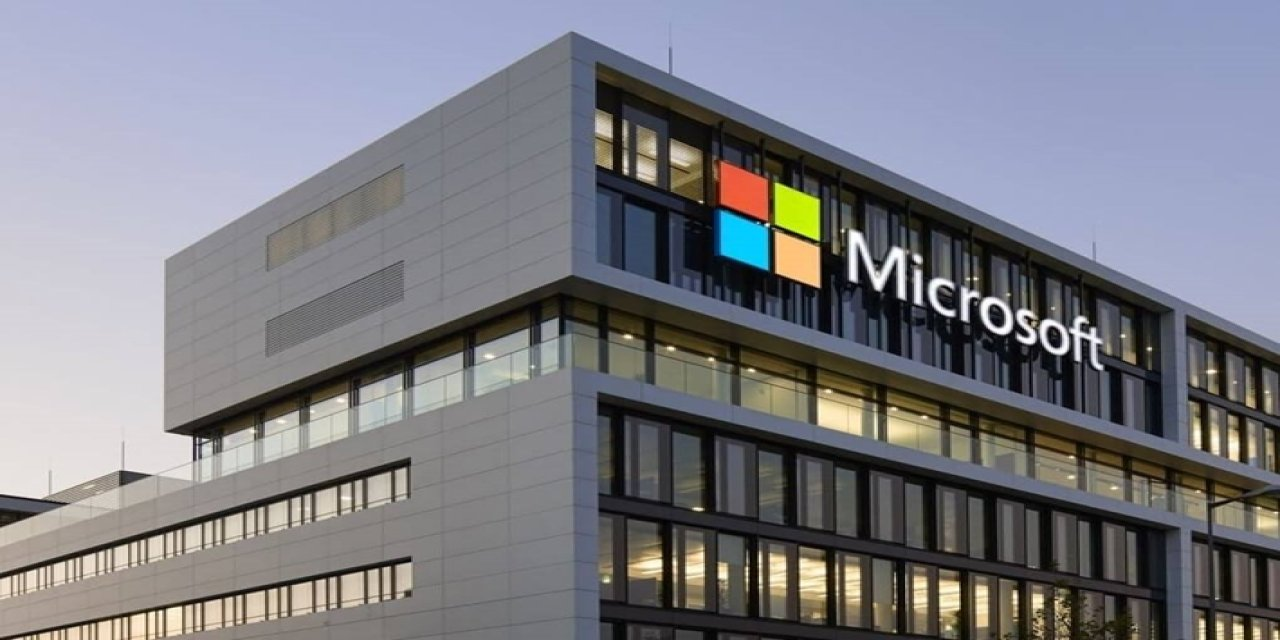
Microsoft’s shares dropped 4.5% in after-hours trading on Wednesday after the company issued a disappointing growth forecast for its cloud computing business, particularly Azure. Despite exceeding sales expectations for the fiscal second quarter, investors expressed concerns about the company’s large spending on artificial intelligence (AI) and the potential competition from cheaper AI models emerging from China.

The cloud unit, Azure, reported 31% growth in the quarter, falling short of Wall Street’s expectations of 31.8%. Microsoft’s capital expenditures were also higher than analysts anticipated, reaching $22.6 billion, compared to the forecasted $20.95 billion.

Although Microsoft’s AI investments have led to improved performance, including a 10-fold better price-to-performance ratio, analysts are looking for clearer evidence of monetization. Despite being optimistic about AI’s future potential, Microsoft CEO Satya Nadella acknowledged that the company is still in the early stages of realizing profits from these technologies.

The rise of DeepSeek, a Chinese AI startup, has intensified concerns about increased competition in the AI market, potentially leading to a price war. Microsoft has already added DeepSeek’s AI models to its Azure offerings, highlighting the growing pressure from rivals offering cheaper AI alternatives.

However, Microsoft remains a strong player in the AI space, securing new Azure contracts, including those with OpenAI, which has helped the company achieve significant commercial bookings growth of 67%. Microsoft’s total revenue for the fiscal second quarter was $69.6 billion, reflecting a 12% increase, while earnings per share were reported at $3.23, surpassing analyst expectations of $3.11.

Despite the uncertainty surrounding AI spending and competition, Microsoft continues to be viewed as a key player in the AI sector, with its stock rising 8% over the past year, although trailing behind competitors like Alphabet and Amazon in performance.


India’s IT Minister Praises DeepSeek’s Low-Cost AI, Draws Parallels with IndiaAI Mission

India’s IT minister, Ashwini Vaishnaw, has praised Chinese startup DeepSeek for its groundbreaking low-cost AI assistant, highlighting the startup’s frugal approach as a model that resonates with India’s own AI ambitions. Speaking at an event in Odisha, Vaishnaw drew a comparison between the $5.5 million investment DeepSeek used to create a powerful AI model and India’s $1.25 billion commitment to the IndiaAI mission.

The IndiaAI mission, announced in March, aims to develop a robust AI ecosystem by funding startups and creating the necessary infrastructure to support AI innovation. Vaishnaw’s comments came as he pointed out the cost-effectiveness of DeepSeek’s approach, which took just two months and under $6 million to develop its AI model using Nvidia’s less-advanced H800 chips.

DeepSeek’s success has been a game-changer in the AI sector, surpassing OpenAI’s ChatGPT in downloads on Apple’s App Store. The startup’s impressive performance challenges the prevailing belief that China is far behind the U.S. in the AI race and raises questions about the high costs traditionally associated with building AI models.

Vaishnaw’s statement also appeared to counter remarks made by OpenAI CEO Sam Altman during a visit to India last year. Altman had expressed skepticism about India’s ability to develop a competitive AI model on a $10 million budget, calling it “totally hopeless” to compete on training foundation models. Vaishnaw’s comments are now drawing attention, especially as Altman is set to visit India again in early February amid a legal battle with Indian digital news and book publishers over copyright issues.