Yazılar

IBM Surpasses Profit Estimates in Q4 as AI and Software Drive Growth

IBM (IBM.N) exceeded fourth-quarter profit forecasts on Wednesday, bolstered by strong demand in its software division as businesses increased IT spending. This growth, driven by a shift toward cloud infrastructure and the adoption of generative artificial intelligence technology, sent IBM’s shares soaring by approximately 10% in after-hours trading.

The company’s software segment saw its largest revenue increase in five years, benefiting from the heightened focus on AI-driven cloud solutions. Analyst Matt Swanson of RBC Capital Markets noted that increased software growth is associated with higher profit margins.

IBM also raised its outlook for fiscal 2025, forecasting revenue growth of at least 5% at constant currency, compared to 3% growth in 2024. This projection indicates confidence in IBM’s AI and cloud strategy, according to Michael Schulman, chief investment officer at Running Point Capital.

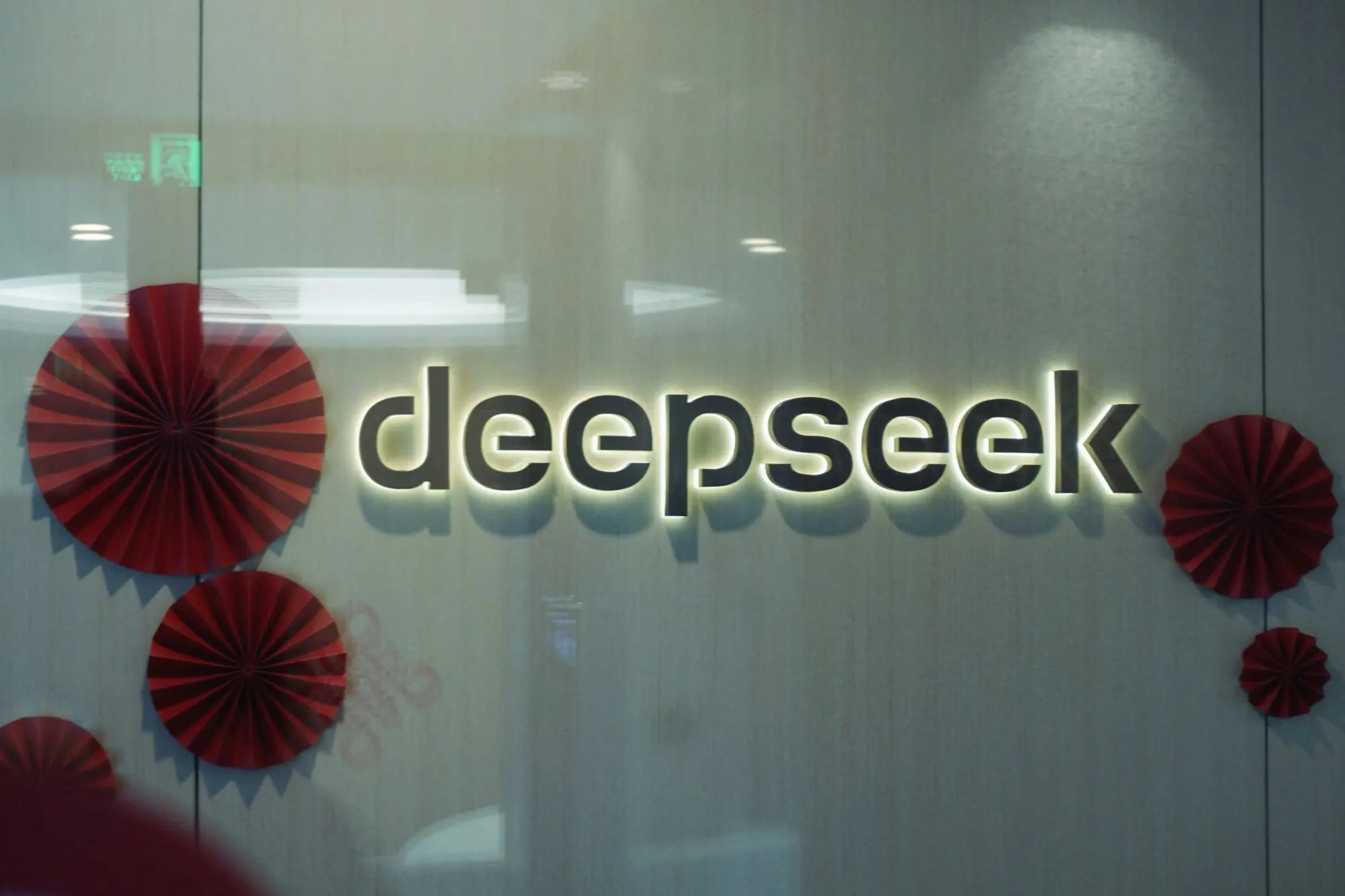
IBM’s “AI Book of Business” — a combination of bookings and actual sales across various AI products — reached over $5 billion, a $2 billion increase from the third quarter. The company made its “Granite” AI models open-source in May, positioning itself differently from competitors like Microsoft (MSFT.O), which charge for access to their AI models. This approach mirrors the strategy of DeepSeek, a Chinese startup that launched a free AI assistant, raising concerns over U.S. tech dominance.

Despite this, IBM’s Chief Financial Officer, James Kavanaugh, did not provide details on whether IBM intends to offer DeepSeek’s models on its Watsonx platform, which helps users deploy chatbots and other AI tools.

On the downside, IBM’s consulting division, which dominates its AI business, experienced a 2% decline in revenue, totaling $5.2 billion for the quarter. The focus on long-term AI integration consulting projects has yet to reflect in revenue figures. Overall, IBM’s total revenue remained flat at $17.55 billion for the quarter, aligning with analyst expectations. The company reported adjusted per-share earnings of $3.92, surpassing the forecast of $3.75.


Chip Stocks Mixed Amid DeepSeek Shock, Earnings in Focus

Semiconductor stocks experienced a mixed performance on Wednesday, with European chip stocks surging due to strong earnings, while U.S. stocks, including Nvidia, faced continued pressure as investors weighed the potential impact of China’s low-cost DeepSeek AI tool.

The Philadelphia semiconductor index struggled to find direction, down 0.4% by mid-day, and the broader S&P 500 tech index fell 1.9%, primarily due to a significant drop in Nvidia’s shares, which were down more than 6%. Nvidia had seen an 8.9% increase on Tuesday after suffering a 17% drop on Monday, marking a record one-day loss in market value. The decline came after DeepSeek, a Chinese startup, unveiled its free AI assistant, which quickly overtook OpenAI’s ChatGPT in downloads on Apple’s App Store, signaling that China may be catching up in the AI race.

Investors are still trying to assess the implications of DeepSeek’s emergence and its ability to challenge established players in the AI market. Jack Ablin, CIO at Cresset Capital, pointed out that the market is in a “middle ground,” with some investors taking DeepSeek seriously and others brushing it off as a temporary disturbance. He added that investors are struggling to determine whether the news is fundamentally negative for high-priced stocks like Nvidia, or if the AI industry will continue its upward trajectory despite the challenge.

The U.S. Federal Reserve’s ongoing policy meeting and earnings results from major tech companies are also in focus. Quarterly results from Microsoft and Meta, set to be released later Wednesday, will be scrutinized for insights into their AI investment plans.

Jefferies Chief Economist Mohit Kumar noted that while chipmakers and energy sectors may continue facing pressure, other sectors could rebound from Monday’s sell-off and gain momentum. However, the current high valuations of certain tech companies will require strong earnings results to justify their prices.

Despite the buzz around DeepSeek, some experts remain skeptical of the startup’s long-term success, especially due to the lack of information about its spending budget. Additionally, OpenAI and Microsoft are investigating whether DeepSeek improperly used data from ChatGPT in its technology.

In Europe, tech stocks saw a strong rally, boosted by ASML’s nearly 5.6% gain following its report of unexpectedly strong bookings. The European tech index finished up 2.4%, with BE Semiconductor and ASM International also seeing significant gains.

In contrast, U.S. semiconductor stocks were mixed. While Nvidia, Cirrus Logic, ARM Holdings, and Broadcom all saw losses, Coherent Corp and Advanced Micro Devices posted gains, rising by 3.6% and 2.6%, respectively. ASML’s U.S. shares also saw a strong 4.4% increase.


AI Stock Shock Could Spark Broader Market Gains

A recent shock in artificial intelligence stocks, driven by concerns over the low-cost Chinese AI model, could set the stage for broader gains in the U.S. stock market, potentially moving beyond the narrow group of tech shares that have dominated the current bull market.

The tech sector, led by mega-cap companies, has been the primary driver of market growth. Over the past two years, the S&P 500’s tech sector has surged about 90%, far outpacing the broader index. However, stocks of major tech firms like Nvidia, Broadcom, and Oracle took a hit on Monday as investors reacted to the impact of DeepSeek’s AI model, a new low-cost competitor from China.

Despite the drop, there are signs of a broader market rotation. While the S&P 500 fell by 1.5%, roughly 70% of the index’s constituents saw gains, indicating a shift away from the dominance of big tech. The S&P 500 growth index, which is tech-heavy, dropped about 3.6%, while the value stock index rose by nearly 1%, marking the largest one-day advantage for value stocks over growth in decades.

This development has led some analysts to predict a more balanced market leadership, which could benefit investors by diversifying opportunities beyond the tech sector. Keith Lerner from Truist Advisory Services pointed out that this shift would provide a broader range of profitable areas for investors.

The Magnificent Seven tech stocks—Nvidia, Apple, Microsoft, Google, Amazon, Meta, and Tesla—have been the cornerstone of market gains, accounting for 55% of the S&P 500’s total return since 2022. However, these stocks have recently underperformed, leading to speculation that other sectors may begin to lead market growth.

While many investors remain bullish on tech, there is growing sentiment that the earnings strength of the Magnificent Seven may start to level with the rest of the market. In 2025, earnings for these stocks are expected to rise 19%, compared to 12.3% for the broader index. As quarterly earnings reports come in, including from Microsoft, Meta, and Tesla, investors will be closely watching for signals that the market is broadening.

Peter Tuz, president of Chase Investment Counsel, remarked that Monday’s market drop acted as a wake-up call for investors who had viewed tech stocks as invincible, potentially leading to a shift in investment towards other sectors.

While tech bounced back on Tuesday, increasing by over 3%, analysts like Robert Pavlik from Dakota Wealth Management see an opportunity for a rotation into companies that could benefit from more affordable AI, particularly software firms. The impact of DeepSeek could ultimately lead to a shift in market dynamics, though it may take time for a broader market expansion to fully materialize.