
Yazılar

Bitcoin Surges Past $100,000 Amid Trump-Driven Crypto Optimism

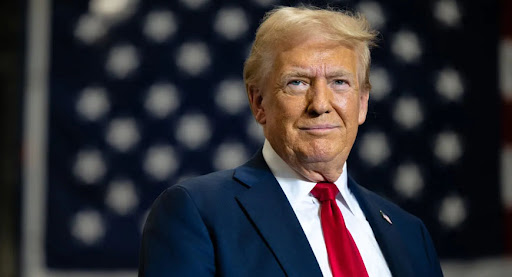
Bitcoin crossed the $100,000 mark for the first time on Thursday, signaling a historic milestone for digital assets. The surge followed U.S. President-elect Donald Trump’s nomination of pro-crypto advocate Paul Atkins to lead the Securities and Exchange Commission (SEC), propelling Bitcoin to a record high of $103,619 before settling at $102,650.

The cryptocurrency market, now valued at nearly $3.8 trillion according to CoinGecko, has doubled in size this year, rivaling the market capitalization of tech giant Apple. Bitcoin, often viewed as the face of decentralized finance, has doubled its value in 2024 and surged more than 50% in the four weeks since Trump’s election victory, which brought a wave of crypto-friendly lawmakers into Congress.

Institutional Adoption and Regulatory Momentum

Industry experts describe this moment as a “paradigm shift” for digital assets. Mike Novogratz, CEO of Galaxy Digital, highlighted factors such as institutional adoption, tokenization advancements, and clearer regulatory frameworks as drivers of Bitcoin’s mainstream integration.

Trump’s campaign promises to make the U.S. a global leader in cryptocurrency, coupled with his pledge to accumulate a national Bitcoin reserve, have bolstered market optimism. Pro-crypto policies and the nomination of Atkins, known for his work on digital asset best practices, signal a more favorable regulatory landscape. The Blockchain Association praised Atkins as a key figure in ushering a “new wave of American crypto innovation.”

Institutional and Market Drivers

Institutional investors have played a significant role in Bitcoin’s rally. U.S.-listed Bitcoin exchange-traded funds (ETFs), approved in January 2024, have attracted over $4 billion since the election, accounting for approximately 3% of Bitcoin’s total supply this year. The normalization of digital assets in financial markets is becoming evident, with trading desks for cryptocurrencies emerging alongside traditional asset classes such as foreign exchange and commodities.

Bitcoin’s journey into six-figure territory also marks a dramatic recovery from its 2022 lows of under $16,000, following the collapse of the FTX exchange. Analysts note that the launch of Bitcoin futures in 2017 and the strong performance of BlackRock’s Bitcoin ETF options in November 2024 further demonstrate the financialization of the asset.

Crypto-related stocks have surged alongside Bitcoin’s rise. Companies like MARA Holdings and Coinbase saw their shares climb 65% in November, while MicroStrategy, which holds over 402,000 bitcoins, has gained 540% this year.

Criticism and Resilience

Despite its success, the cryptocurrency industry faces ongoing criticism. Concerns over energy consumption, crypto-related crime, and unfulfilled promises of transformative financial technology persist. On Wednesday, U.S. and U.K. authorities disrupted a cryptocurrency-based global money laundering ring tied to Russian elites and drug traffickers.

Still, Bitcoin’s resilience has drawn attention. Russian President Vladimir Putin remarked that its decentralized nature makes it immune to prohibition. Economists like Shane Oliver of AMP acknowledge Bitcoin’s momentum but admit its value remains difficult to assess, adding, “As time goes by, it’s proving itself as part of the financial landscape.”

The Road Ahead

As the Trump administration prepares to take office, the cryptocurrency market appears poised for further growth. Trump’s launch of World Liberty Financial in September, along with Elon Musk’s continued advocacy for digital assets, underscores the increasing prominence of cryptocurrencies in shaping future financial systems.

Ireland Heads to Polls Amid Economic Growth and Political Uncertainty

A Key Election in Ireland

Ireland is heading to the polls on November 29, with the center-right parties Fianna Fáil and Fine Gael expected to once again form the nucleus of the country’s next government. The two parties, which have shared power alongside the Green Party over the past five years, continue to lead in the polls as the election campaign enters its final stretch.

The country faces a range of economic challenges and opportunities as it prepares for the election. While Ireland is benefiting from a budget surplus fueled by its role as a European headquarters for major U.S. tech and pharmaceutical companies, the election outcome may shape how the country manages this growth. A significant factor in Ireland’s economic windfall is a September ruling from the European Court of Justice, which ordered Apple to pay 13 billion euros ($13.7 billion) in back taxes to the country.

However, there are concerns in Dublin about the potential implications of a Donald Trump presidency. The incoming U.S. president-elect has expressed intentions to crack down on U.S. companies paying taxes abroad, particularly in countries like Ireland. This looming policy shift could impact Ireland’s position as a tax-friendly haven for U.S. businesses.

The Political Landscape

The latest Irish Times/Ipsos B&A poll shows support for Fine Gael has dropped by six points, leaving the party at 19%. Fianna Fáil holds a lead at 21%. Republican Party Sinn Féin, which gained significant ground in the previous general election, is polling at 20%, while independent candidates have 17% support. With Ireland’s proportional voting system, a coalition government is likely, as no party is expected to secure an outright majority.

While housing is a central issue, with the Central Bank of Ireland warning about a decade-long under-supply in the housing market, other significant policy concerns, such as economic strategy and government spending, will likely shape the direction of the new government.

Housing Crisis and Economic Outlook

Homelessness, particularly in Dublin, has reached record levels, with nearly 15,000 people in emergency accommodation, including 4,561 children. Despite these challenges, economist Emma Howard from TU Dublin highlights Ireland’s appeal to workers, noting its status as the only English-speaking country with access to the European Single Market, alongside a relatively younger and more educated workforce compared to other European nations.

On the positive side, Ireland’s finances are on strong footing. The country has seen a budget surplus for the past two years, with Finance Minister Jack Chambers predicting a surplus of up to €24 billion for 2023. The country’s financial health was further boosted when S&P Global Ratings upgraded its outlook for Ireland to “positive,” with the potential for an AAA rating if the country continues to rebuild economic buffers.

However, Howard warns that the “windfall” from corporate taxes, largely driven by multinational U.S. companies, distorts the true state of Ireland’s finances. Without this influx, Ireland would face a deficit, and the country’s current spending plans would result in a €50 billion shortfall over the next six years.

Risks from Trump’s “America First” Policy

The re-election of Donald Trump presents a significant risk for Ireland, especially as Trump seeks to implement his “America First” policy. One concern is the potential for Ireland to lose its status as a tax haven for U.S. companies. The country’s corporate tax rate is among the lowest in the Eurozone, making it an attractive destination for foreign businesses, particularly tech giants like Apple and Google.

Incoming U.S. Commerce Secretary Howard Lutnick has already signaled discontent with Ireland’s trade surplus with the U.S., calling it “nonsense” and hinting at potential action. Lutnick’s position could strengthen his influence over the U.S. Trade Representative’s office under the Trump administration. Moreover, Trump himself has personal business interests in Ireland, owning a golf club in the country, which could complicate the relationship further.

Conclusion

As Ireland prepares to head to the polls, the country’s leaders will have to balance ongoing challenges—such as the housing crisis, homelessness, and a potential change in the U.S. policy toward corporate taxation—with the opportunities presented by the country’s robust financial position. The election results could have significant implications for Ireland’s political and economic future, particularly as it navigates its relationship with the incoming Trump administration.

iPhone Production in India May Double Following Donald Trump’s Proposed Tariff Increases, Report Says

Apple’s production strategy in India has gained significant momentum in recent years, largely due to the company’s efforts to diversify its manufacturing base beyond China. While China remains a critical hub for Apple’s production and sales, geopolitical factors, particularly the US-China trade tensions, have pushed the company to expand its operations in India. A new report suggests that Apple could substantially ramp up its iPhone production in India, potentially doubling its output, if the US decides to implement heavy tariffs on Chinese imports. This move could lead Apple to increase its annual iPhone production in India to over $30 billion.

According to the Economic Times, industry experts and officials have indicated that Apple’s iPhone production in India could grow significantly over the next two years if the US under President Donald Trump imposes tariffs of up to 100 percent on goods imported from China. Currently, Apple manufactures iPhones worth about $15-16 billion annually in India. However, with the potential of escalating tariffs, Apple could shift more of its production to India to avoid the impact of the higher tariffs on Chinese-made devices.

Trump, during his election campaign, had threatened to impose tariffs ranging from 60 to 100 percent on Chinese imports. This rhetoric has created uncertainty in global trade relations, and if implemented, such tariffs could prompt Apple to further shift its production strategy toward India. During his first term, Trump imposed tariffs on Chinese imports, and analysts predict that his second term could continue to strain US-China relations, which might push companies like Apple to explore alternative manufacturing locations, such as India.

While some sectors in India may face challenges from potential tariff hikes, experts believe that the electronics industry, particularly iPhone production, stands to benefit the most. With a favorable manufacturing ecosystem and supportive government policies, India could become a crucial player in Apple’s global supply chain, making the country an even more important hub for smartphone production in the years to come. This shift could have far-reaching economic implications, benefiting India’s manufacturing sector while simultaneously helping Apple diversify its production away from China.