Yazılar

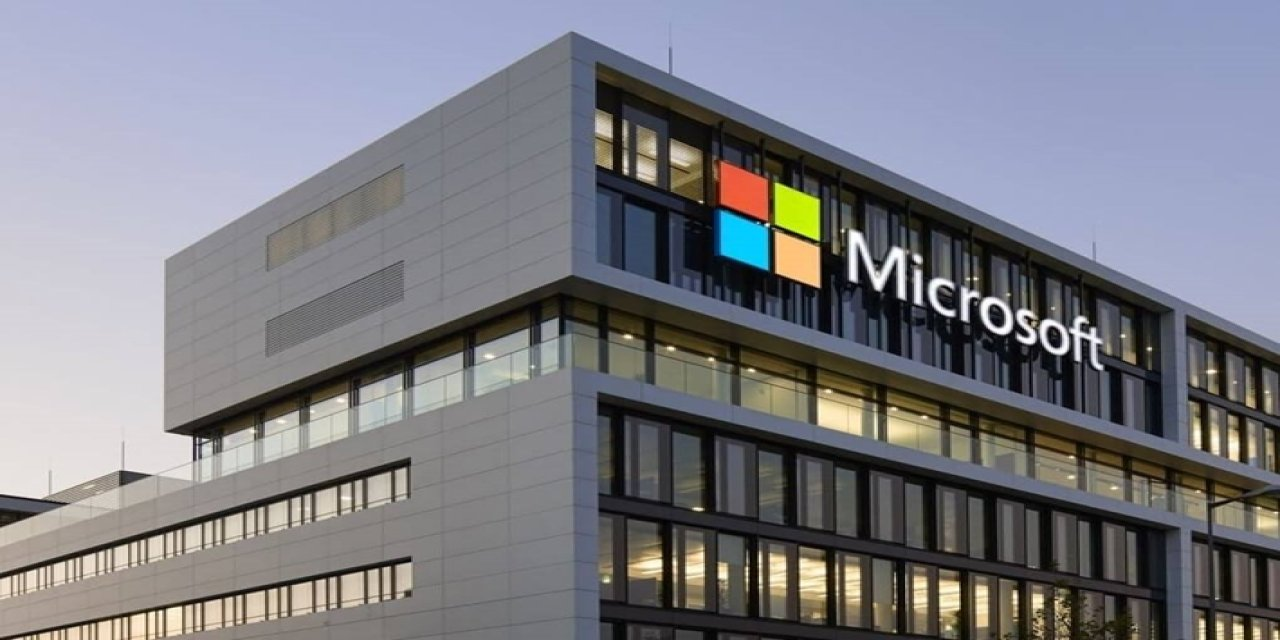
Microsoft Shares Slide After Disappointing Cloud Forecast and AI Spending Worries

Microsoft’s shares dropped 4.5% in after-hours trading on Wednesday after the company issued a disappointing growth forecast for its cloud computing business, particularly Azure. Despite exceeding sales expectations for the fiscal second quarter, investors expressed concerns about the company’s large spending on artificial intelligence (AI) and the potential competition from cheaper AI models emerging from China.

The cloud unit, Azure, reported 31% growth in the quarter, falling short of Wall Street’s expectations of 31.8%. Microsoft’s capital expenditures were also higher than analysts anticipated, reaching $22.6 billion, compared to the forecasted $20.95 billion.

Although Microsoft’s AI investments have led to improved performance, including a 10-fold better price-to-performance ratio, analysts are looking for clearer evidence of monetization. Despite being optimistic about AI’s future potential, Microsoft CEO Satya Nadella acknowledged that the company is still in the early stages of realizing profits from these technologies.

The rise of DeepSeek, a Chinese AI startup, has intensified concerns about increased competition in the AI market, potentially leading to a price war. Microsoft has already added DeepSeek’s AI models to its Azure offerings, highlighting the growing pressure from rivals offering cheaper AI alternatives.

However, Microsoft remains a strong player in the AI space, securing new Azure contracts, including those with OpenAI, which has helped the company achieve significant commercial bookings growth of 67%. Microsoft’s total revenue for the fiscal second quarter was $69.6 billion, reflecting a 12% increase, while earnings per share were reported at $3.23, surpassing analyst expectations of $3.11.

Despite the uncertainty surrounding AI spending and competition, Microsoft continues to be viewed as a key player in the AI sector, with its stock rising 8% over the past year, although trailing behind competitors like Alphabet and Amazon in performance.
 

Wolfspeed Exceeds Q2 Revenue Expectations Amid Operational Shifts

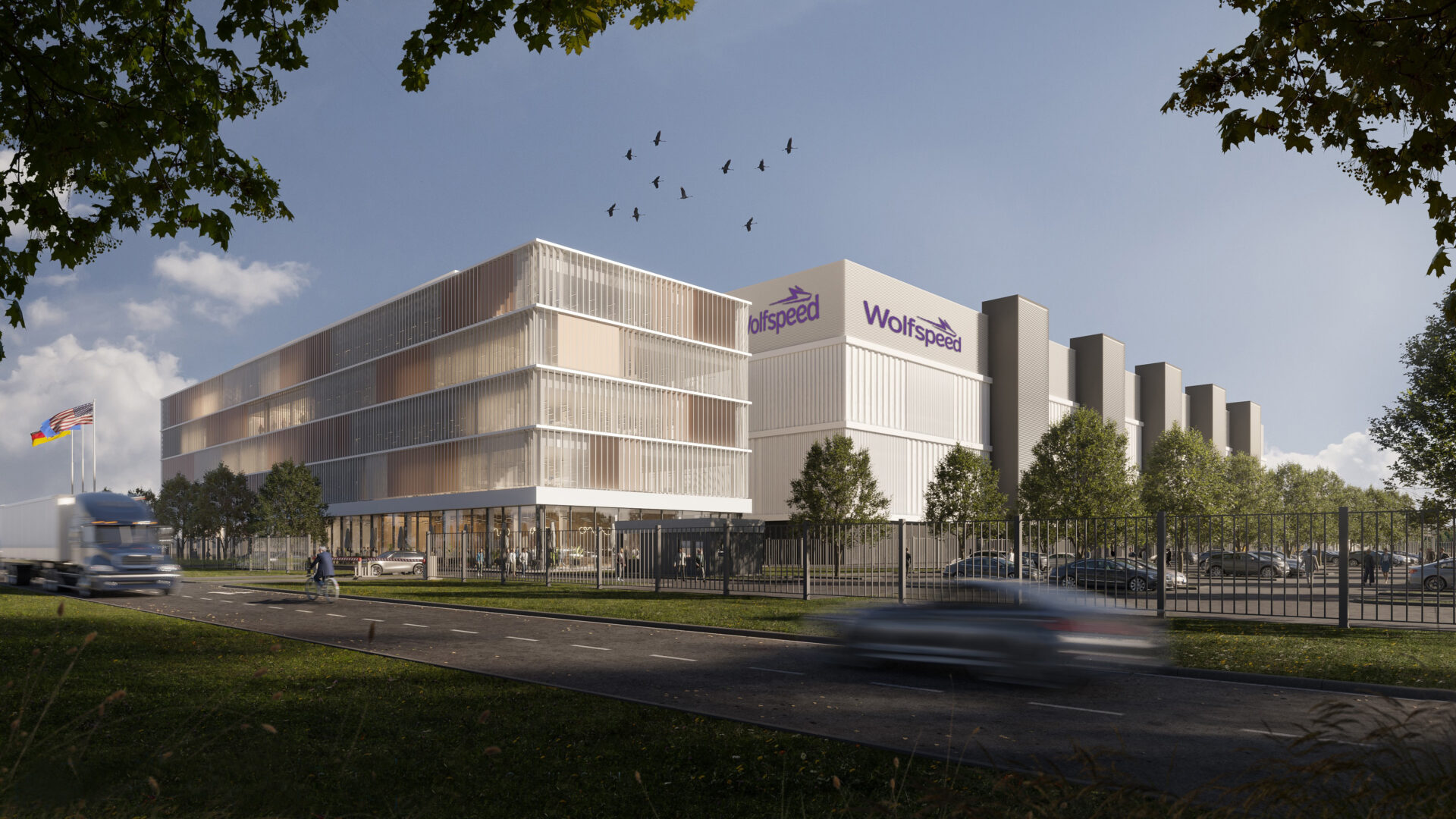
Wolfspeed (WOLF.N) outperformed Wall Street expectations for second-quarter revenue and reported a smaller-than-anticipated net loss, demonstrating progress as the company implements changes to enhance profitability.

In the first quarter of 2025, Wolfspeed shut down some facilities and transitioned its device business to a 200-millimeter silicon carbide fab. This move aims to improve product efficiency and increase production capacity, especially in response to the growing demand for chips utilizing silicon carbide technology. These chips are critical for high-power applications such as electric vehicle powertrains, e-mobility, renewable energy systems, battery storage, and AI data centers.

For Q2, Wolfspeed reported revenue of $180.5 million, slightly exceeding the average analyst estimate of $179.9 million. The company’s net loss per share was 95 cents, better than the expected loss of $1.02 per share. The Mohawk Valley Fab facility contributed around $52 million in revenue.

Despite weak demand from automotive clients, Wolfspeed made leadership changes in November, replacing CEO Gregg Lowe with Thomas Werner, who took on the role of executive chairman as the company searches for a permanent CEO.

Looking ahead, Wolfspeed projects third-quarter revenue from continuing operations to range from $170 million to $200 million, with the midpoint falling short of analysts’ expectations of $193.6 million. The company anticipates an adjusted quarterly loss per share between 88 cents and 76 cents, compared to estimates of a loss of 86 cents. It also expects restructuring-related costs of $72 million for the third quarter.


TSMC’s Q4 Revenue Exceeds Expectations, Boosted by AI Demand

Taiwan Semiconductor Manufacturing Co. (TSMC), the world’s largest contract chipmaker, reported a strong performance in the fourth quarter of 2024, with revenue significantly surpassing market forecasts, driven by robust demand for artificial intelligence (AI) products. TSMC’s customers, including major tech firms like Apple and Nvidia, have been key players in the AI revolution, which has helped offset the slowdown in chip demand for consumer electronics like tablets following the pandemic.

For the October-December period, TSMC posted revenue of T$868.42 billion ($26.36 billion), a 34.4% year-on-year increase, exceeding the expected T$853.57 billion ($25.90 billion) according to analysts surveyed by LSEG SmartEstimate. This marks a significant jump from the $19.62 billion revenue recorded during the same period in 2023.

TSMC had previously forecasted fourth-quarter revenue to fall between $26.1 billion and $26.9 billion, which it successfully met within its guidance range. For December alone, the company reported a 57.8% year-on-year revenue increase, reaching T$278.16 billion.

This positive performance reflects the growing demand for semiconductors used in AI applications, with other Taiwanese firms, such as Foxconn, also reporting strong earnings in the fourth quarter due to the AI boom. TSMC is scheduled to announce its full fourth-quarter earnings on January 16, where it will provide an updated outlook for the current quarter and the full year.

The company’s stock rose 81% in 2024, far outpacing the broader market’s 28.5% gain, though it closed flat on Friday ahead of the revenue release.