Yazılar

Oil Prices Inch Higher Ahead of Fed Rate Decision and 2025 Outlook

Oil prices rose slightly on Wednesday, supported by a notable decline in U.S. crude inventories, although caution prevailed as markets awaited the U.S. Federal Reserve’s decision on interest rates and its 2025 economic projections.

Brent crude futures gained 53 cents (0.7%) to trade at $73.72 per barrel, while U.S. West Texas Intermediate (WTI) crude increased 54 cents (0.8%) to reach $70.62 per barrel at 1436 GMT.

Market Focus: Fed Rate Decision

The Federal Reserve is widely expected to announce a quarter-point rate cut, signaling a gradual loosening of monetary policy. However, investors are more focused on potential indications of a pause in January and the extent of rate cuts projected for 2025, according to Charalampos Pissouros, senior investment analyst at XM.

The central bank will release its policy statement at 2 p.m. ET (1900 GMT), followed by comments from Chair Jerome Powell. Lower interest rates generally reduce borrowing costs, which can stimulate economic growth and, consequently, drive up oil demand.

Crude Inventory Trends

Adding to market optimism, data from the American Petroleum Institute (API) revealed that U.S. crude stocks dropped by 4.69 million barrels in the week ending December 13. However, gasoline inventories rose by 2.45 million barrels, and distillate stocks increased by 744,000 barrels, according to the same report.

Analysts polled by Reuters had anticipated a smaller draw of 1.6 million barrels during the week, suggesting a tighter crude supply environment than expected. The U.S. Energy Information Administration (EIA) is set to release its official inventory data later on Wednesday, which could further influence price movements.

Oil Market Sentiment

John Evans, an analyst at oil brokerage PVM, noted that the crude inventory draw could have sparked a stronger market reaction. However, the ongoing focus on central bank decisions has led to cautious trading across various markets.

“Investors are taking a light touch approach, given the diverting power of central bank rate decisions,” Evans explained.

Meanwhile, UBS analyst Giovanni Staunovo pointed to lingering uncertainties, including trade tensions and speculation on how aggressively the Fed will cut rates in 2025, as factors capping the upside potential for oil prices.

Broader Market Implications

If the Fed signals a measured pace of rate cuts, oil prices could find sustained support as lower borrowing costs typically foster economic activity and energy consumption. Still, concerns over a weaker global demand outlook and geopolitical risks continue to weigh on the market’s longer-term prospects.

 

Ant Group Appoints New CEO as Jack Ma Discusses AI in Rare Appearance

Ant Group has announced Cyril Han, the company’s president and finance chief, will succeed Eric Jing as CEO starting March 1, 2025. Jing will remain as chairman, and Han will report directly to him. This change in leadership comes as Ant Group, the parent company of the popular Alipay payments app, seeks to rejuvenate its growth following regulatory challenges in China’s tech sector.

The announcement was made during Ant Group’s twentieth anniversary celebrations, which also featured a rare public speech by founder Jack Ma. Ma, whose businesses have faced significant scrutiny from Chinese authorities, reflected on the internet era’s impact on his generation. He also expressed confidence that the artificial intelligence revolution over the next two decades would far surpass expectations, underscoring the transformative potential of AI.

Ma’s appearance is notable, given the regulatory clampdown on China’s tech sector, which halted Ant Group’s much-anticipated IPO in late 2020. Since then, Ant has restructured its operations to comply with government regulations. This regulatory tightening has affected major Chinese tech companies, including Alibaba, the e-commerce giant Ma co-founded.

Despite these challenges, recent signs suggest that Chinese regulators are loosening restrictions as the nation’s economic growth slows, offering hope for a potential recovery in the sector.


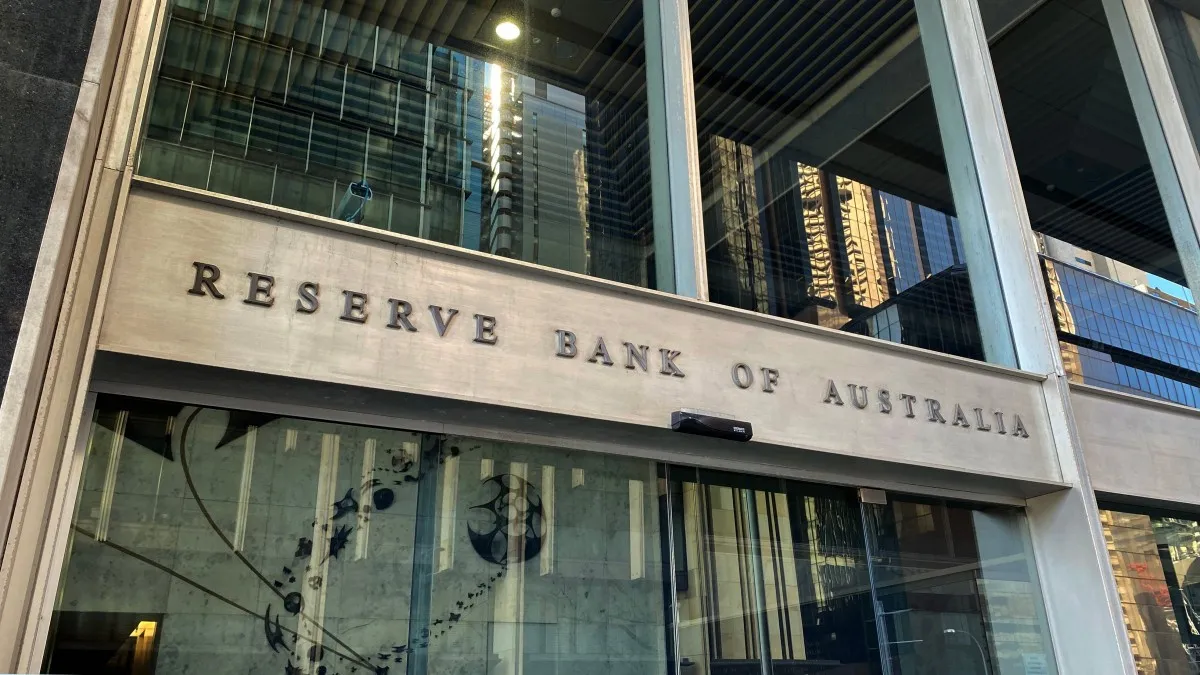
Reserve Bank of Australia Adopts Dovish Stance, Shocking Markets

In its final meeting of 2024, the Reserve Bank of Australia (RBA) decided to leave interest rates unchanged, signaling a shift towards a more dovish approach. The central bank noted that it was gaining “some confidence” that inflation was gradually moving back toward its target, easing previous concerns about the need for further tightening.

Following the announcement, the Australian dollar dropped 0.8%, falling to $0.6380, while three-year bond futures surged, reaching their highest point since October. Market expectations now indicate a potential rate cut in February, with a full rate easing priced in by April.

The RBA maintained its cash rate at 4.35%, the level it has held throughout 2024. The statement issued by the central bank notably omitted previous language about keeping policy restrictive, further suggesting a shift in tone. Governor Michele Bullock had previously stated that inflation remained too high for a near-term rate cut, but the latest statement highlighted confidence that inflation was trending back toward the target band of 2-3%.

While the RBA’s policy stance has remained unchanged for over a year, with the current rate being significantly higher than the pandemic-era 0.1%, there are signs of economic slowdowns. Weak third-quarter growth data, a lack of expected consumer spending rebound, and soft business conditions — as reflected in a National Australia Bank survey — suggest the economy is not picking up pace as anticipated.

Markets had anticipated a potential dovish pivot after these economic indicators, raising questions about future rate cuts in the first quarter of 2025.