Yazılar

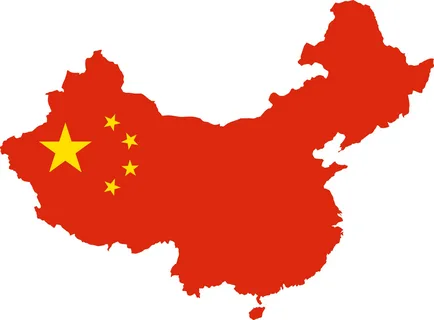
China Flags More Fiscal Stimulus for Economy, Leaves Out Key Details on Size

China announced plans to “significantly increase” debt to revive its economy, but withheld crucial information regarding the overall size of the stimulus package. This leaves investors uncertain about how long the recent stock market rally will last. At a press conference on Saturday, Finance Minister Lan Foan detailed measures aimed at alleviating local government debt, offering subsidies to low-income citizens, supporting the struggling property market, and replenishing state banks’ capital. However, no specific figures were provided.

Investors have been eagerly awaiting more aggressive action as the world’s second-largest economy faces mounting deflationary pressures, low consumer confidence, and a sharp property market downturn. The absence of a specific monetary figure for the stimulus prolongs market uncertainty. Economists and analysts are especially concerned as economic data in recent months has consistently underperformed, raising fears that China’s 2024 growth target of approximately 5% may be difficult to achieve.

Lack of Details Raises Investor Concerns

While Lan emphasized the government’s resolve to tackle the economy’s challenges, the lack of detailed numbers frustrated investors hoping for a comprehensive stimulus package to sustain the recent market rally. “The big bang fiscal stimulus that investors were hoping for… did not come through,” said Vasu Menon, managing director for investment strategy at OCBC in Singapore. The rally in Chinese stocks, which saw a 25% surge after the September Politburo meeting, has since slowed, and concerns about the absence of policy clarity are growing.

China’s property market remains a key issue, with falling demand and heavy debts hanging over local governments. In September, Reuters reported that China plans to issue special sovereign bonds worth around 2 trillion yuan ($284.43 billion), with half of the funds directed at local governments and the other half toward consumer subsidies and household benefits, such as an allowance of 800 yuan ($114) per child for families with two or more children. Meanwhile, Bloomberg reported China is considering injecting 1 trillion yuan of capital into state banks to stimulate lending, though demand for credit remains weak.

Central Bank Interventions and Structural Issues

The People’s Bank of China has already introduced its most aggressive monetary measures since the COVID-19 pandemic, including rate cuts and a liquidity injection of 1 trillion yuan. These measures have lifted market sentiment somewhat, but analysts argue that China needs more profound reforms to boost consumption and shift away from its reliance on debt-driven infrastructure investment.

Despite years of pledges to increase domestic consumption, household spending remains weak. Currently, consumption accounts for less than 40% of China’s annual GDP, significantly below the global average, while investment remains far higher than global norms. These imbalances highlight the need for structural reforms in policies and institutions if China is to achieve sustainable growth.

Lan’s press conference did little to quell concerns, with analysts warning that without targeted measures to boost demand and investment, China may struggle to ease deflationary pressures. “There is still relatively big room for China to issue debt and increase the fiscal deficit,” Lan said, noting that local governments have 2.3 trillion yuan left to spend in the final quarter of the year. However, deeper reforms are expected to be announced gradually.

Uncertain Path Forward

As markets await more concrete details, global investors are left speculating on China’s next moves. The upcoming meeting of China’s National People’s Congress, which is expected to approve additional debt issuance, may finally provide clarity. Until then, volatility in Chinese markets and global commodity prices is likely to continue, as investors try to gauge the impact of China’s fiscal policies.
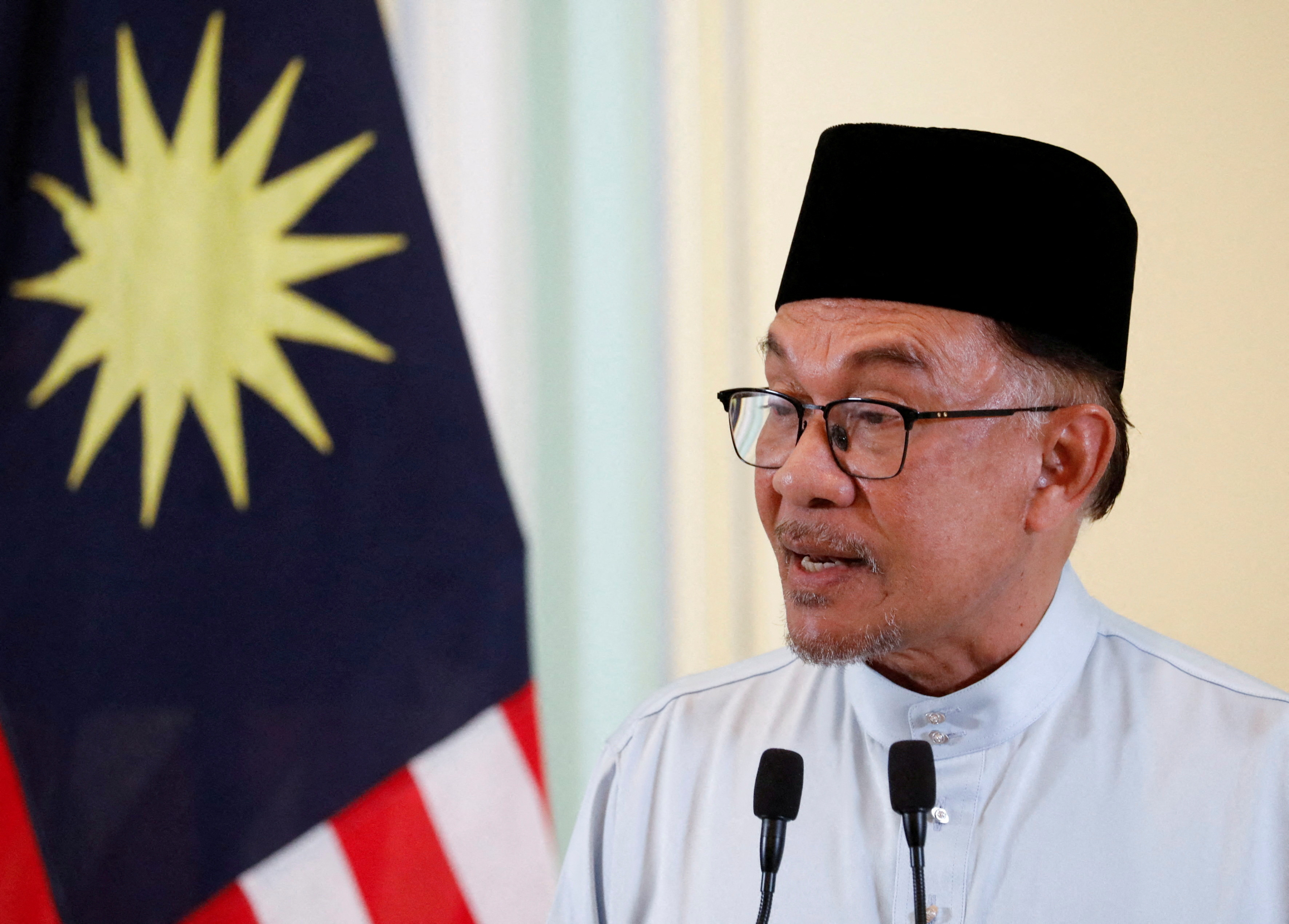
Malaysia’s PM Anwar Ibrahim Intensifies Anti-Corruption Efforts as Country Courts Investment

As Malaysia approaches the second anniversary of Prime Minister Anwar Ibrahim’s leadership, his battle against corruption remains at the forefront of his administration’s agenda. Anwar has been unwavering in his determination to address corruption, viewing it as a major obstacle to securing foreign direct investment (FDI) and boosting investor confidence.

“We have to save the country. To my mind, the major problem is poor governance and endemic corruption,” Anwar stated in an interview JP Ong. He emphasized that transparent processes and a strong commitment to eradicating corruption are essential for instilling confidence among both domestic and foreign investors. “Without that trust [and] confidence, nobody will invest in a big way,” he added.

While acknowledging progress in the fight against corruption, Anwar stressed that the mission is far from over. He described corruption in Malaysia as “almost systemic” and vowed to pursue his anti-corruption campaign with “full force.”

Despite ongoing efforts, Malaysia’s FDI inflows dropped to 40.4 billion Malaysian ringgit ($9.7 billion) in 2023, a decrease from 48.1 billion ringgit in 2021. Furthermore, the country lost an estimated 277 billion ringgit in economic output due to corruption between 2018 and 2023. When asked if the government was being too aggressive in its crackdown, Anwar expressed frustration: “Damn it … I would just go after them without mercy.” However, he clarified that he must balance his actions with coalition discussions to ensure a thoughtful, effective approach.

Anwar refrained from addressing specific corruption cases during the interview, but the shadow of the infamous 1Malaysia Development Berhad (1MDB) scandal, which saw former Prime Minister Najib Razak convicted of embezzlement, looms large in Malaysia’s fight for good governance.

In May 2024, Malaysia launched a new national anti-corruption strategy, aiming to elevate the country’s standing in Transparency International’s Corruption Perception Index. Currently ranked 57th, Malaysia aspires to break into the top 25 over the next decade.

While the country’s economy expanded by 5.1% in the first half of 2024, growth has slowed compared to the 8.7% surge seen in 2022. Nonetheless, Malaysia is moving forward with ambitious plans to attract investment, including the development of two special economic zones: the Johor-Singapore Special Economic Zone and the Forest City special financial zone. The latter aims to transform Iskandar Puteri into a thriving business district, offering incentives such as a zero-percent tax rate for family offices, which the government hopes will draw significant investment.


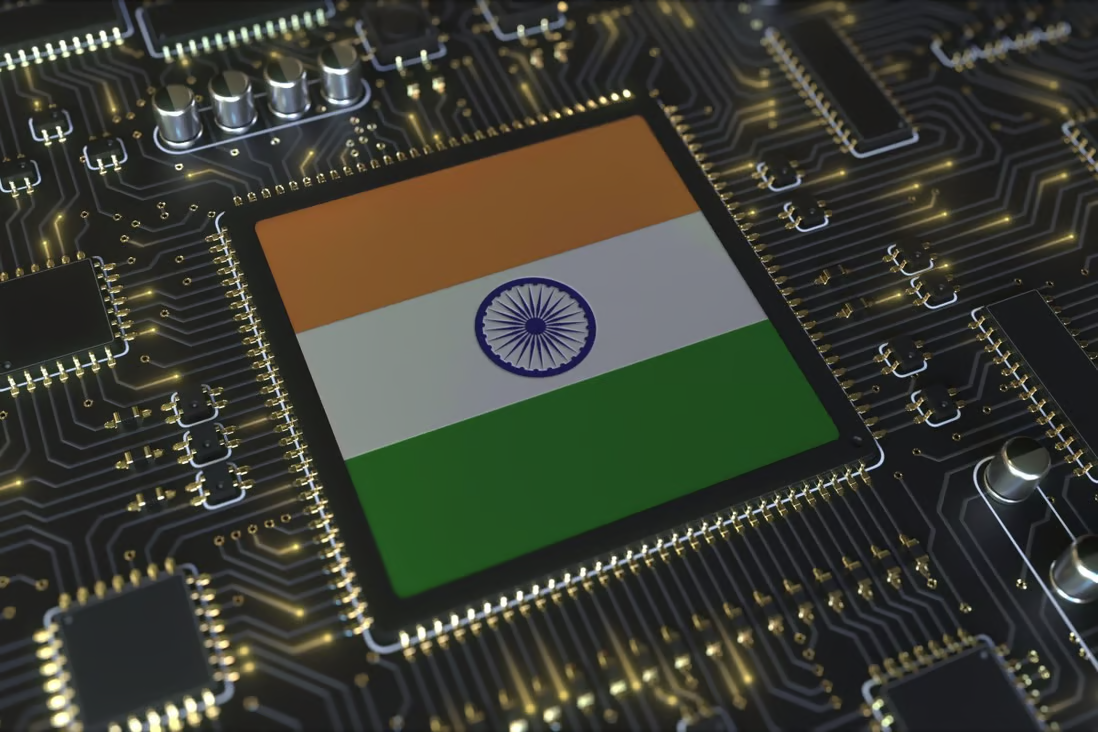
India’s Path to Becoming a Semiconductor Powerhouse Faces Challenges, but Collaboration is Key

India is making bold strides toward establishing itself as a global semiconductor powerhouse, aiming for self-reliance in manufacturing. Prime Minister Narendra Modi has set ambitious goals, targeting a leap in the country’s electronics sector from $155 billion today to $500 billion by 2030. However, experts are divided on whether this target is feasible, with a consensus that India cannot achieve it on its own.

Eri Ikeda, assistant professor at IIT Delhi, highlights that India’s semiconductor journey is still in its early stages. Taiwan leads global semiconductor production with 44% market share, followed by China (28%) and other key players like South Korea and the U.S. Collaborative efforts are already in motion, such as Taiwan’s Powerchip Semiconductor partnering with Tata Electronics to build India’s first wafer fab in Gujarat, and American chipmaker Micron Technology planning to produce semiconductors in India by 2025.

India’s drive for semiconductor self-reliance is partly fueled by its growing role as a viable alternative to China for global supply chains. However, analysts caution that India must first learn the nuances of the semiconductor industry. Rishi Bhatnagar of the Institution of Engineering and Technology suggests that India should focus on collaboration rather than direct competition with China, which continues to invest heavily in semiconductor equipment from the U.S. and Japan.

India is strengthening ties with the U.S. to diversify its semiconductor sources. The U.S. Department of State has partnered with India’s Semiconductor Mission to bolster global semiconductor value chains, further fueled by geopolitical tensions with China. As a democratic nation with a growing English-speaking workforce, India is positioned as an attractive investment destination for tech giants like Apple and Google.

While infrastructure and investment challenges remain, India has advantages such as a low labor cost and a young workforce. The country is also making significant improvements in its infrastructure, with plans to modernize highways, railways, and airports. These developments are crucial as India positions itself to cater to the increasing global demand for semiconductors.

Despite the hurdles, optimism persists. Analysts see India’s potential to meet global chip demands while maintaining lower production costs, offering a competitive edge over China. Samir Kapadia, CEO of India Index, emphasizes India’s unique combination of economic stability, workforce potential, and infrastructure development, making it a strong contender in the global semiconductor race.