Yazılar

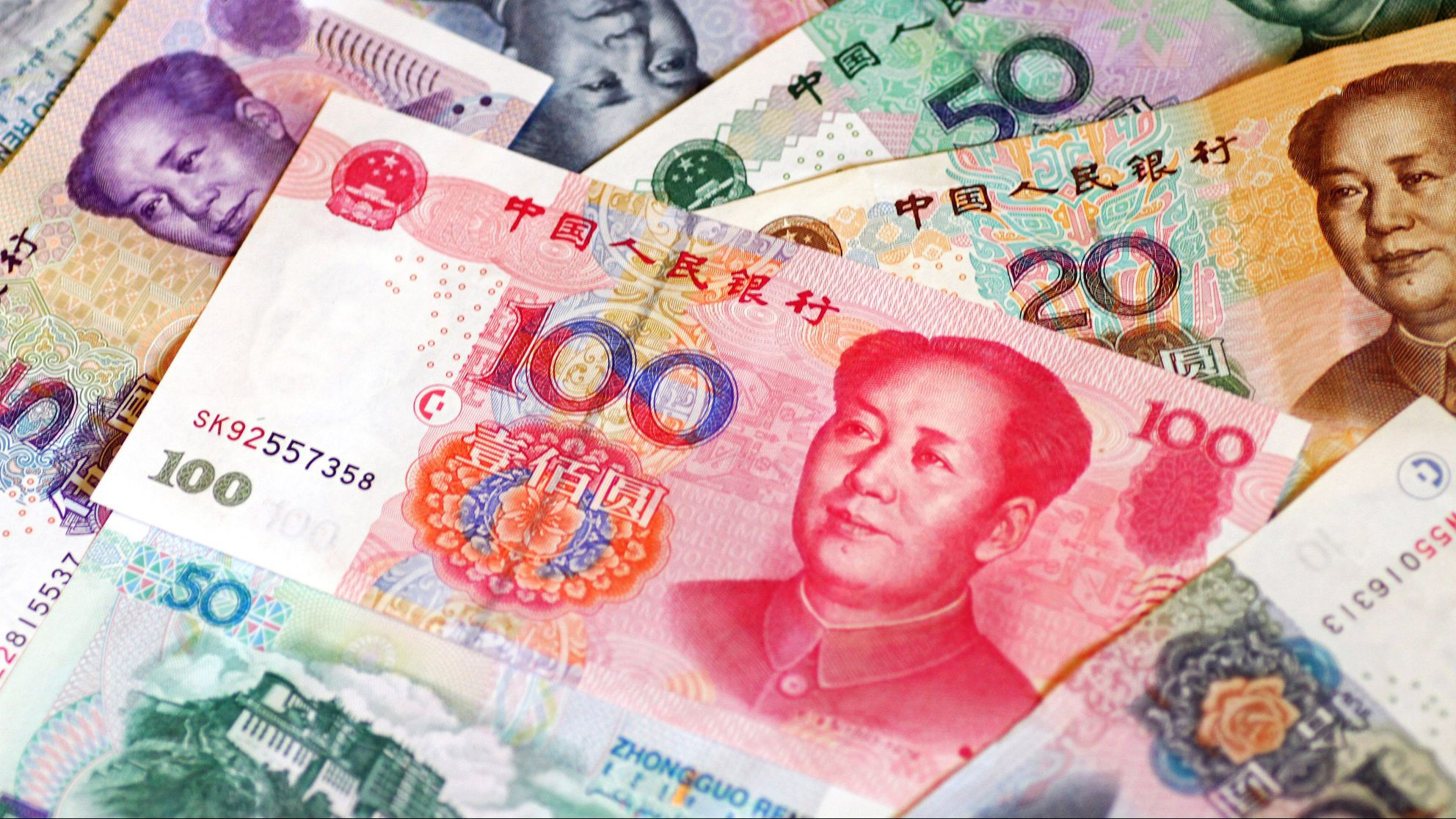
Chinese Yuan Reaches 16-Month High Against US Dollar Amid PBOC Stimulus Measures

China’s yuan surged to its highest level in over 16 months on Wednesday, boosted by a series of stimulus measures introduced by the People’s Bank of China (PBOC) to bolster the slowing economy. The offshore yuan briefly appreciated to 6.9946 per dollar, a level not seen since May 2023. Similarly, the onshore yuan traded at 7.0319 against the greenback, marking its strongest performance since last May.

While the yuan’s rise is seen as a positive outcome of the PBOC’s policies, analysts caution that a stronger currency could hurt China’s export sector. Wei Liang Chang, FX and credit strategist at DBS, warned that policymakers must be careful not to allow the renminbi’s appreciation to weigh on the fragile economy. “Weak growth and low inflation in China should put pressure on the RMB going forward,” noted Edmund Goh, head of China fixed income at abrdn.

Ben Emons, founder of Fed Watch Advisors, added that rapid yuan strengthening could add deflationary pressure to China’s exports, which are already under strain. Unlike the U.S. dollar or Japanese yen, the Chinese yuan operates within a controlled exchange rate system. Onshore yuan trades within a 2% range around the midpoint set by the PBOC, while offshore yuan—traded mainly in Hong Kong, Singapore, and New York—faces fewer restrictions, allowing for greater market influence.

Despite the upward momentum, some experts expect the offshore yuan (USDCNH) to dip below 7.0 in the coming months. Zerlina Zeng, head of Asia Credit Strategy at CreditSights, predicts that China’s pro-growth stance and potential easing from the Federal Reserve could lead to further yuan appreciation.

Tuesday’s announcement by the PBOC included key moves such as cutting the reserve requirement ratio (RRR) by 50 basis points and lowering the 7-day repo rate by 0.2 percentage points. PBOC Governor Pan Gongsheng described these actions as necessary to alleviate the “clogged” monetary transmission channel, hindered by the property sector’s drag on bank balance sheets and a resulting “crisis” in consumer confidence.

Following the central bank’s stimulus, China’s bond market saw increased demand, with 10-year and 30-year bond yields hitting record lows. Stronger bond demand generally strengthens a country’s currency, and Chinese bonds rallied accordingly. Yields on 10-year bonds rose by 5 basis points to 2.074%, while 30-year bond yields reached 2.182%.

Chinese equities also responded favorably. The Hang Seng Index in Hong Kong posted its best performance in seven months, while the CSI 300 Index on the mainland saw its largest one-day gain in over four years.

 

Calls for China to Stimulate Growth Intensify Amid Economic Challenges

Economists are increasingly advocating for China to implement stimulus measures to boost its economic growth, with calls coming from within the country. Liu Shijin, a former deputy head of China’s Development Research Center, has proposed that China issue at least 10 trillion yuan ($1.42 trillion) in ultra-long government bonds over the next year or two to invest in human capital. In a presentation at Renmin University’s China Macroeconomy Forum, Liu emphasized that China should avoid copying the stimulus strategies of developed nations, such as cutting interest rates, as it has not yet reached that level of economic deceleration.

China’s recovery following the COVID-19 pandemic has been slower than expected, with ongoing challenges such as a real estate slump and low consumer confidence. Manufacturing growth has also decelerated, and major financial institutions like Goldman Sachs have lowered their 2024 growth forecasts for China. Goldman Sachs cut its growth estimate to 4.7%, citing weaker-than-expected data and the delayed impact of fiscal policies.

Despite Beijing’s efforts to address economic concerns, such as targeted subsidies for consumer goods, the effects have been limited. Retail sales in August saw minimal growth, rising only 2.1% year-on-year, one of the slowest rates since the post-pandemic recovery. Meanwhile, the ongoing real estate slump, which once accounted for over a quarter of the Chinese economy, remains a significant drag on growth.

Economist Xu Gao of Bank of China International highlighted the real estate market as a key issue, pointing out that consumer demand exists, but concerns over property developers failing to complete pre-sold units have deterred homebuyers. Xu urged the government to take more robust measures, including bailing out property owners, to stabilize the housing market.

While China’s leadership has prioritized advanced manufacturing and technological development in the face of U.S. restrictions, experts argue that the country needs to focus on fiscal reforms to address immediate economic challenges. Former People’s Bank of China governor Yi Gang recently called for proactive fiscal policy to combat deflationary pressure. However, Yi’s influence on current economic policy is limited, as noted by Gabriel Wildau, managing director at consulting firm Teneo.

China’s economic data from the first half of 2024 showed 5% growth, but local governments are facing fiscal constraints, limiting the effectiveness of infrastructure investment. Ting Lu, Nomura’s Chief China Economist, warned of potential secondary shocks to the economy, suggesting that fiscal policies and reforms should take precedence over monetary policies. Lu also advocated for direct government intervention to stabilize the property market and support local governments struggling under tight financial conditions.

Despite these challenges, some officials remain optimistic. Former vice finance minister Zhu Guangyao expressed confidence that China could achieve its 2024 growth target of around 5%, with long-term GDP growth projected to remain between 4% and 5% annually over the next decade.

India’s Central Bank Chief Plays Down Fears of a Deposit Crunch

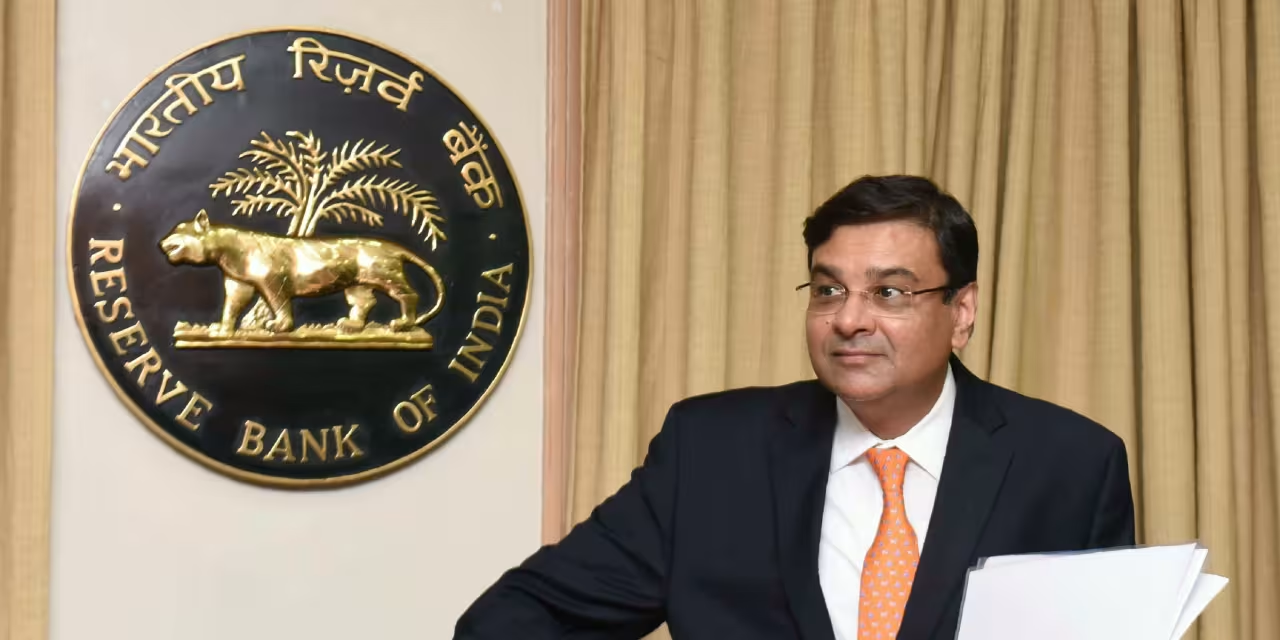
Despite concerns about India’s financial sector amidst strong stock market performance and solid bank balance sheets, Reserve Bank of India (RBI) Governor Shaktikanta Das has downplayed fears of a deposit shortage. Das acknowledged the current gap between loan and deposit growth but indicated that it isn’t an immediate cause for alarm. However, he cautioned that if the disparity persists, it could hinder banks’ ability to maintain their lending activities.

As of August, loan growth stood at 13.6%, while deposit growth lagged behind at 10.8%, a gap of 350 to 400 basis points. “If this continues, the banks’ ability to lend will be affected,” Das said. This imbalance poses a risk to banks’ net interest margins, which could, in turn, impact share prices—particularly concerning for global institutional investors holding shares in Indian banks. Prolonged disparity between loan and deposit growth could also lead to liquidity concerns if banks struggle to meet withdrawal demands.

Das suggested that some of the funds loaned out might still remain within the banking system but acknowledged the possibility of money flowing into riskier investments like debt funds or equities. “If people are going into the capital markets, it is their decision,” Das said, clarifying that the central bank does not regulate such individual choices.

Despite these challenges, Das expressed optimism, noting that many Indian banks are already working on strategies to enhance deposit growth. He revealed that banks are developing new products aimed at attracting deposits, which could help mitigate potential issues.

Ashish Gupta, Chief Investment Officer at Axis Mutual Fund, echoed these sentiments but predicted a slowdown in banks’ earnings growth due to the credit-deposit gap. He expects slower deposit growth in the coming years and noted that any future interest rate cuts by the RBI could further squeeze profit margins for banks.

India’s economic growth also showed signs of cooling, with GDP growth slowing to 6.7% in the second quarter from 8.2% the previous year. This has intensified pressure on the central bank to consider rate cuts. Markets are anticipating a likely rate cut at the RBI’s December meeting, with some uncertainty surrounding the upcoming October meeting. Das highlighted the presence of new members in the Monetary Policy Committee (MPC) and mentioned that the October rate decision would be determined by current growth and inflation dynamics.

While emphasizing that India’s growth story remains robust, Das reiterated the need to monitor inflation trends closely before making any decisions on rate cuts.