China’s Local Government Debt Problems Are a Hidden Drag on Economic Growth
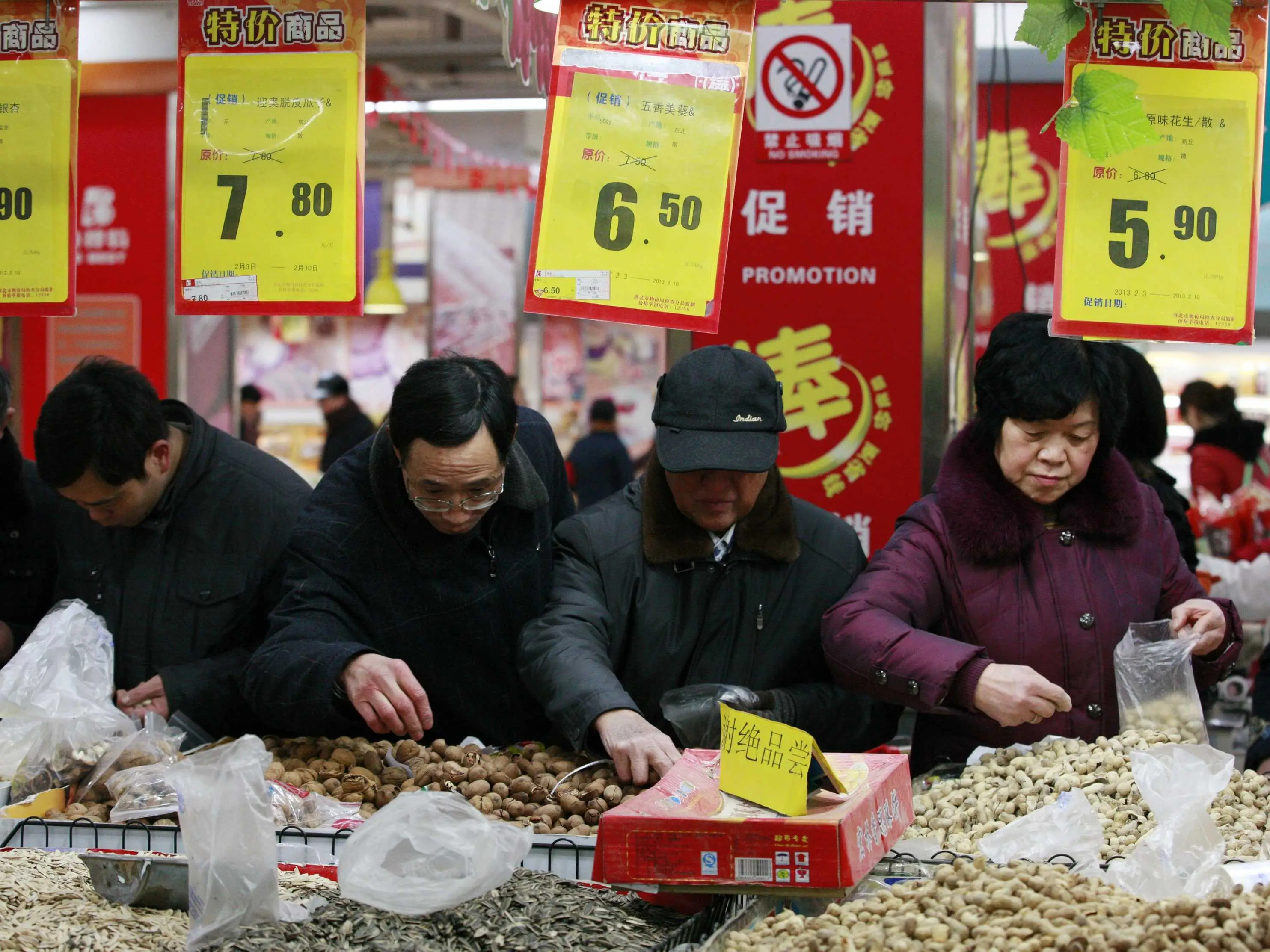
China’s persistent consumption slowdown is increasingly linked to the country’s real estate slump, which has deep financial ties to local governments and their growing debt. Over the past two decades, much of Chinese household wealth was funneled into real estate, but since Beijing began cracking down on developers’ high reliance on debt in 2020, property values have fallen. This has, in turn, cut into local government revenues, especially from land sales—a crucial source of funding.
According to analysts at S&P Global Ratings, local government finances may take three to five years to recover, but delays in revenue recovery could exacerbate the already growing debt levels. Wenyin Huang, director at S&P Global Ratings, highlighted how macroeconomic challenges continue to weaken the revenue-generating capacity of local governments, particularly when it comes to taxes and land sales. Over the last two or three years, the drop in land sale revenues and tax cuts dating back to 2018 have further reduced operating revenue by an average of 10% across China.
Local governments are scrambling to reclaim lost revenue, putting additional strain on businesses already hesitant to expand or raise wages amid ongoing economic uncertainty. This pressure has led to an increase in back-tax collection efforts, with some companies reporting notices to repay taxes for operations dating back decades. These unexpected financial demands have further damaged fragile business confidence, with the CKGSB Business Conditions Index reflecting a contraction in August.
In an effort to diversify revenue streams, certain provinces such as Jiangsu, Shandong, Shanghai, and Zhejiang have seen non-tax revenue growth exceeding 15% in 2024. However, this shift has done little to alleviate the underlying challenges. Camille Boullenois, an associate director at Rhodium Group, noted that the aggressive tax collection “shows how desperate [local governments] are to find new sources of revenue.”
The Chinese government has denied any widespread or targeted tax inspections but acknowledged that local governments have issued notices in compliance with existing laws. Despite these claims, the strain on local government budgets remains evident, as essential services like education and civil servant salaries cannot be cut, leaving limited room to reduce spending.
Efforts to spur growth by pivoting toward consumption-based models have struggled to take hold. Analysts have pointed out that the investment-led approach is not delivering the desired nominal GDP growth, which is contributing to higher debt ratios. Since 2021, China’s debt-to-GDP ratio has risen by 30 percentage points, reaching 310% in the second quarter of 2024, and is projected to rise further by year-end. Growth, meanwhile, is expected to lag behind the official target, with GDP projected to rise by just 4.5% in the third quarter, shy of the government’s 5% goal.
Local government financing vehicles (LGFVs), which have taken on substantial debt for public infrastructure projects, now pose a significant risk to the banking sector. Experts like Alicia Garcia-Herrero, chief economist for Asia-Pacific at Natixis, believe LGFVs are an even greater risk than the real estate sector, describing them as a “grey rhino” — a metaphor for high-probability, high-impact risks that are being ignored. Chinese banks are now more exposed to LGFV loans than to real estate developers, creating a precarious situation for the financial system.
S&P Global Ratings’ Laura Li warned that while the government is trying to manage liquidity issues to maintain stability, there are no quick fixes to the mounting debt problem. The central and local governments simply do not have enough resources to address the issue all at once, leaving the country’s economic recovery and long-term growth prospects under threat.