Goodbye Louis Vuitton: China’s Gen Z Embraces ‘Dupe Economy’ as Growth Slows
As China’s economic slowdown takes hold, a growing number of young consumers are opting for affordable dupes over high-end luxury items. This shift is particularly apparent among Gen Z, like Zheng Jiewen, a 23-year-old print model in Guangzhou, whose salary was slashed by half earlier this year. Once a regular buyer of Louis Vuitton and Chanel, Zheng now turns to high-quality replicas, also known as pingti, as the economic downturn has forced her to cut back on luxury spending.
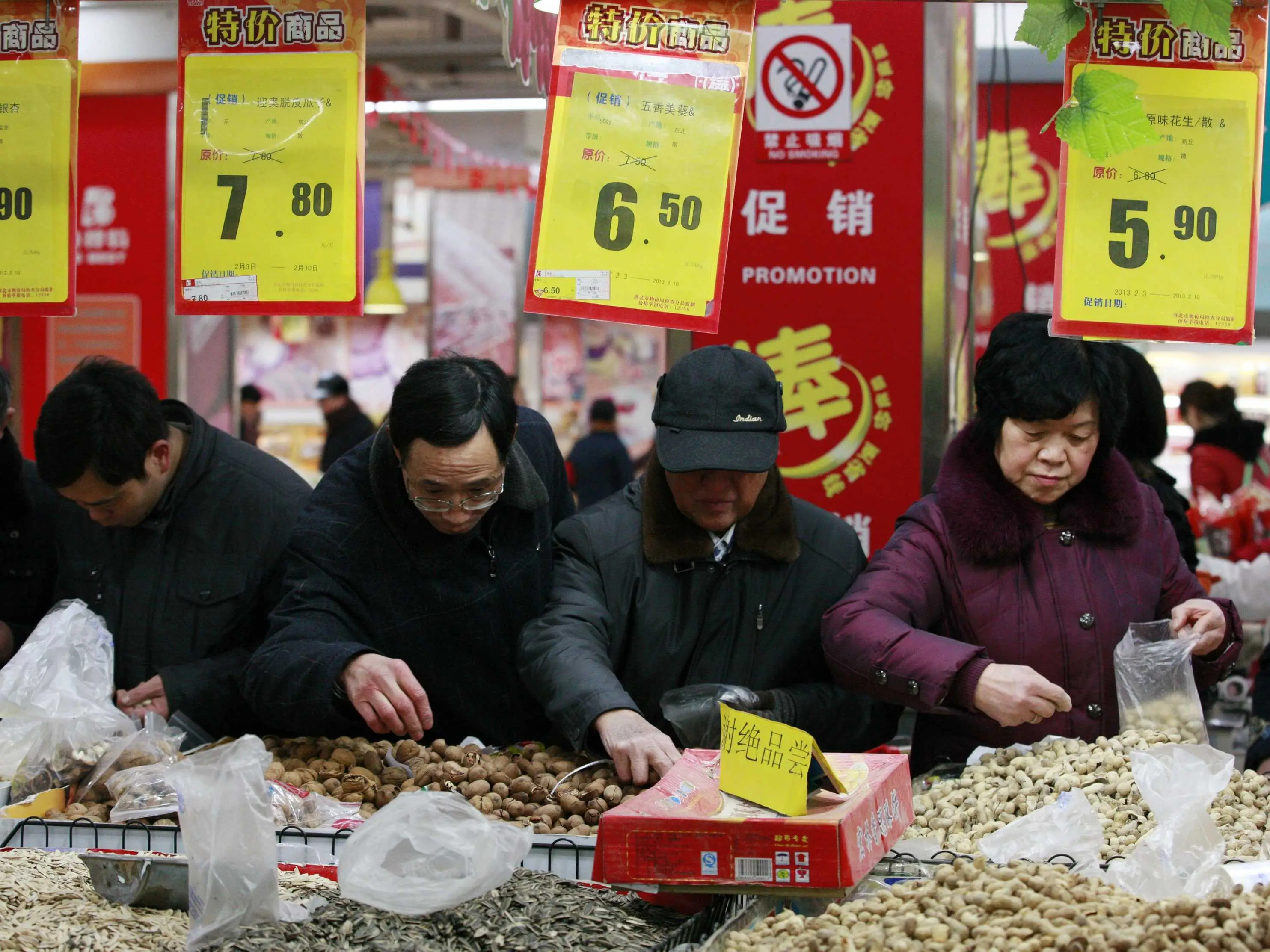
The rising popularity of pingti products is part of a broader trend, with searches for these dupes tripling between 2022 and 2024, according to market research firm Mintel. In an era when China’s economy is stagnating, consumer confidence is at historic lows, and high-quality replicas of branded goods have become more mainstream. Rather than splurging on brands like Louis Vuitton or Lululemon, Chinese consumers are increasingly drawn to dupes that cost a fraction of the price. A pair of Lululemon leggings, for example, costs 750 yuan ($106) on their official site, while nearly identical versions on Chinese e-commerce platforms go for as low as $5.
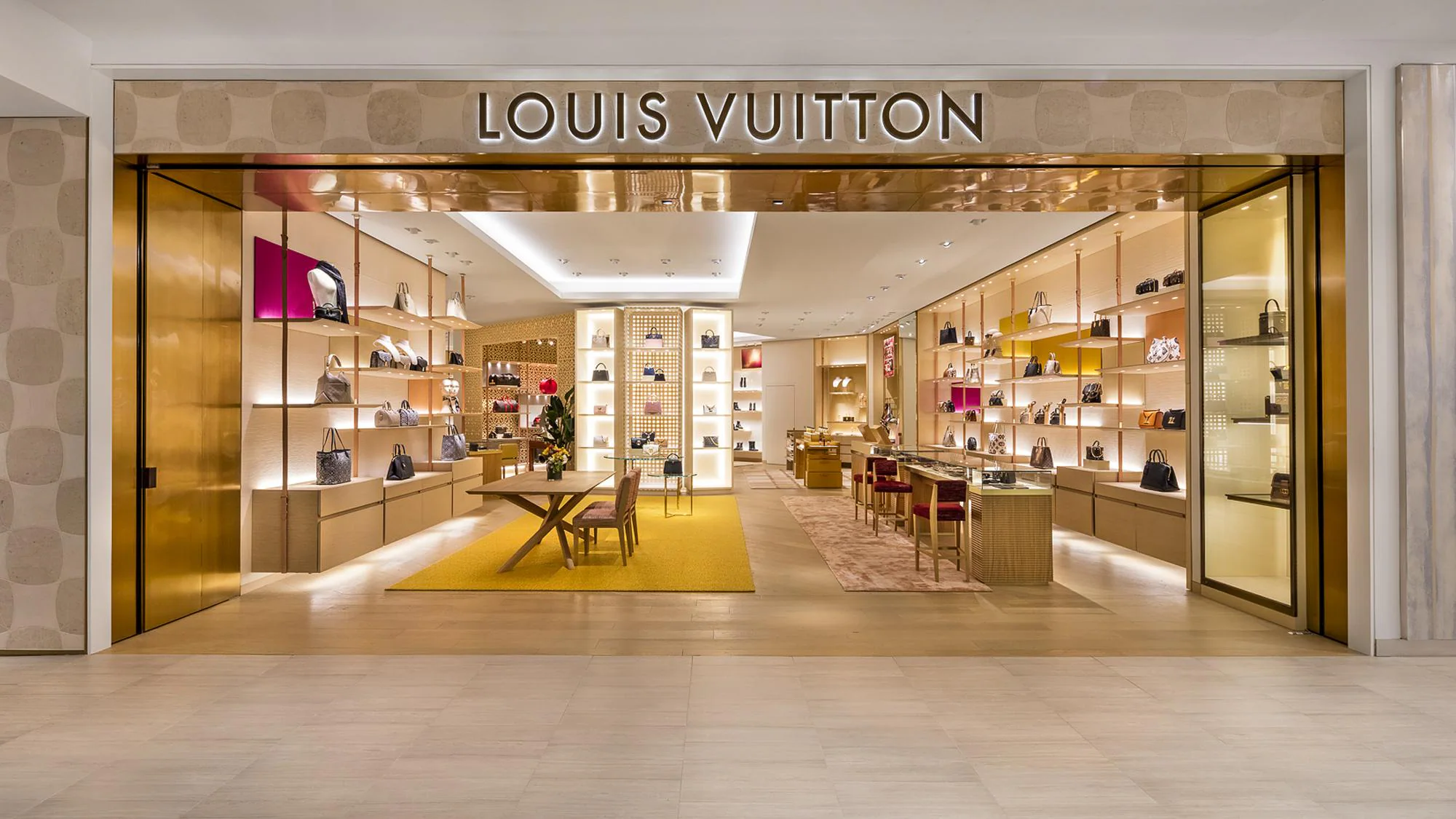
The consequences of this shift are significant. Luxury brands like Louis Vuitton are facing declining sales, with LVMH, the brand’s parent company, seeing a 10% drop in revenue from its Asia market in the first half of 2024. The impact of the pingti trend is felt not just in reduced consumption but also in broader economic growth. Retail sales in China rose by just 2.1% in recent months, far below expectations.
The lack of consumer confidence stems from multiple factors, including declining wages, rising unemployment, and a property market collapse. For instance, Xinxin, a math teacher in Chongqing, experienced a 20% pay cut due to fiscal issues in her district. Like Zheng, she turned to dupes—choosing a budget-friendly alternative to Estée Lauder’s Advanced Night Repair serum, which saved her hundreds of yuan.
Unemployment among China’s youth reached 18.8% in August 2024, the highest on record, as the country continues to grapple with a deepening economic crisis. The housing sector, once a major driver of economic activity, has cooled dramatically. Real estate prices have fallen by nearly 30% since 2021, with the total wealth lost from this downturn amounting to $18 trillion, according to Barclays economists. This wealth loss has hit Chinese households hard, stifling their spending and dampening hopes of a quick economic recovery.
Nicole Hal, a 33-year-old businesswoman in Guangzhou, shared her frustration with CNN. Despite expecting to earn four million yuan ($570,000) this year with her husband, she has drastically reduced her spending on luxury items, expensive skincare, and dining out. Like many others, her cautious approach reflects a wider trend of reduced consumption, leading to more pessimistic economic data and lower growth forecasts for China.
As Beijing struggles to boost domestic demand, its strategy has shifted toward promoting manufacturing, particularly in the electric vehicle sector. However, this emphasis on exports has triggered a backlash, especially in Europe, where Chinese electric vehicles face potential tariffs. Economists at Goldman Sachs predict that unless China shifts its focus to stimulating domestic consumption, it will continue to face global trade challenges.