
Yazılar

U.S. Crude Oil Prices Drop Nearly 2% as Market Discounts Libya Supply Risks

U.S. crude oil prices fell nearly 2% on Wednesday, trading around $74 per barrel, as the market dismisses the impact of potential supply disruptions from Libya. Despite initial gains earlier in the week due to fears of interruptions in Libyan oil supplies, prices have retraced as the situation remains uncertain.

Amarpreet Singh, an energy analyst at Barclays, attributed the price decline to weak demand in China, concerns about a broader economic slowdown, and the likelihood that OPEC+ will proceed with its planned production increase in the fourth quarter. U.S. crude oil settled more than 2% lower on Tuesday.

Here are Wednesday’s energy prices:

  • West Texas Intermediate (WTI) October contract: $74.16 per barrel, down $1.38, or 1.83%. Year-to-date, U.S. oil has gained 3.5%.
  • Brent October contract: $78.26 per barrel, down $1.29, or 1.62%. Year-to-date, Brent is up 1.6%.
  • RBOB Gasoline September contract: $2.20 per gallon, down more than 4 cents, or 1.92%. Year-to-date, gasoline has risen 4.82%.
  • Natural Gas September contract: $1.89 per thousand cubic feet, down more than 2 cents, or 0.95%. Year-to-date, natural gas is down 25%.

The recent drop in prices follows the threat by Libya’s eastern government in Benghazi to halt all oil production and exports amid a leadership dispute over the country’s central bank. Although this led to a temporary rally in oil prices, futures have since pulled back as the actual extent of the supply disruption remains unclear. Several Libyan oilfields have reportedly halted production, but the UN-recognized Tripoli government and the National Oil Corporation have yet to confirm any significant outages.
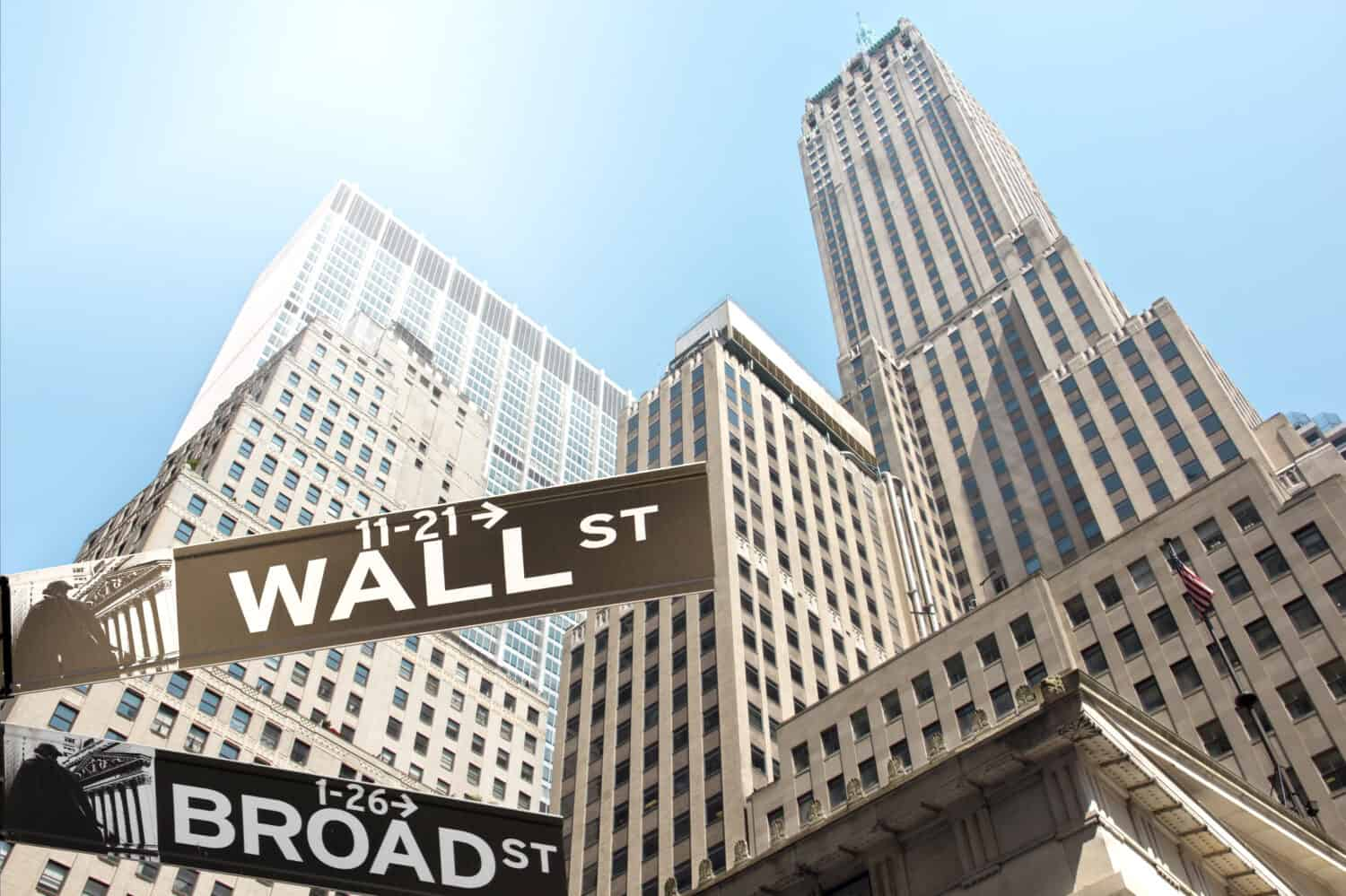

Wall Street Rallies as Jobs Data Eases Economic Slowdown Fears

Wall Street’s major indexes surged nearly 2% on Thursday, fueled by a stronger-than-expected jobs report that alleviated concerns about a looming economic slowdown. The data revealed a sharper-than-anticipated drop in new unemployment benefit applications last week, dispelling fears that the labor market was unraveling.

This positive shift in sentiment helped stabilize megacap and growth stocks, which had been in free fall following a disappointing July jobs report that had sparked recession concerns. Nvidia led the gains with a 4.4% surge. According to Skyler Weinand, Chief Investment Officer at Regan Capital, “Just because the labor market is cooling off doesn’t mean we’re entering into a recession.”

All major S&P sectors saw gains, with information technology and communication services leading the charge. Global markets also began to recover from the earlier week’s volatility, triggered by concerns over interest rate hikes and weak demand in the U.S. Treasury market.

J.P. Morgan raised the likelihood of a U.S. recession by the end of the year to 35%, up from 25%, citing reduced pressure in the labor market.

By late morning, the Dow Jones Industrial Average had risen 589.53 points (1.52%) to 39,352.98, the S&P 500 gained 99.37 points (1.91%) to 5,298.87, and the Nasdaq Composite climbed 360.42 points (2.23%) to 16,556.23.

On the earnings front, Eli Lilly jumped 7.9% after raising its annual profit forecast, driven by the success of its weight-loss drug Zepbound, which surpassed $1 billion in quarterly sales. Under Armour surged 19.2% following a surprising first-quarter profit. Conversely, Bumble saw its shares plummet 32.6% after slashing its annual revenue growth forecast, while Warner Bros Discovery and Monster Beverage also faced significant declines.

Investors are now looking ahead to comments from Richmond Fed President Thomas Barkin for insights into the Federal Reserve’s next moves.