Yazılar

Autopilot Verdict Hits Tesla’s Robotaxi Ambitions, Raises Safety Concerns

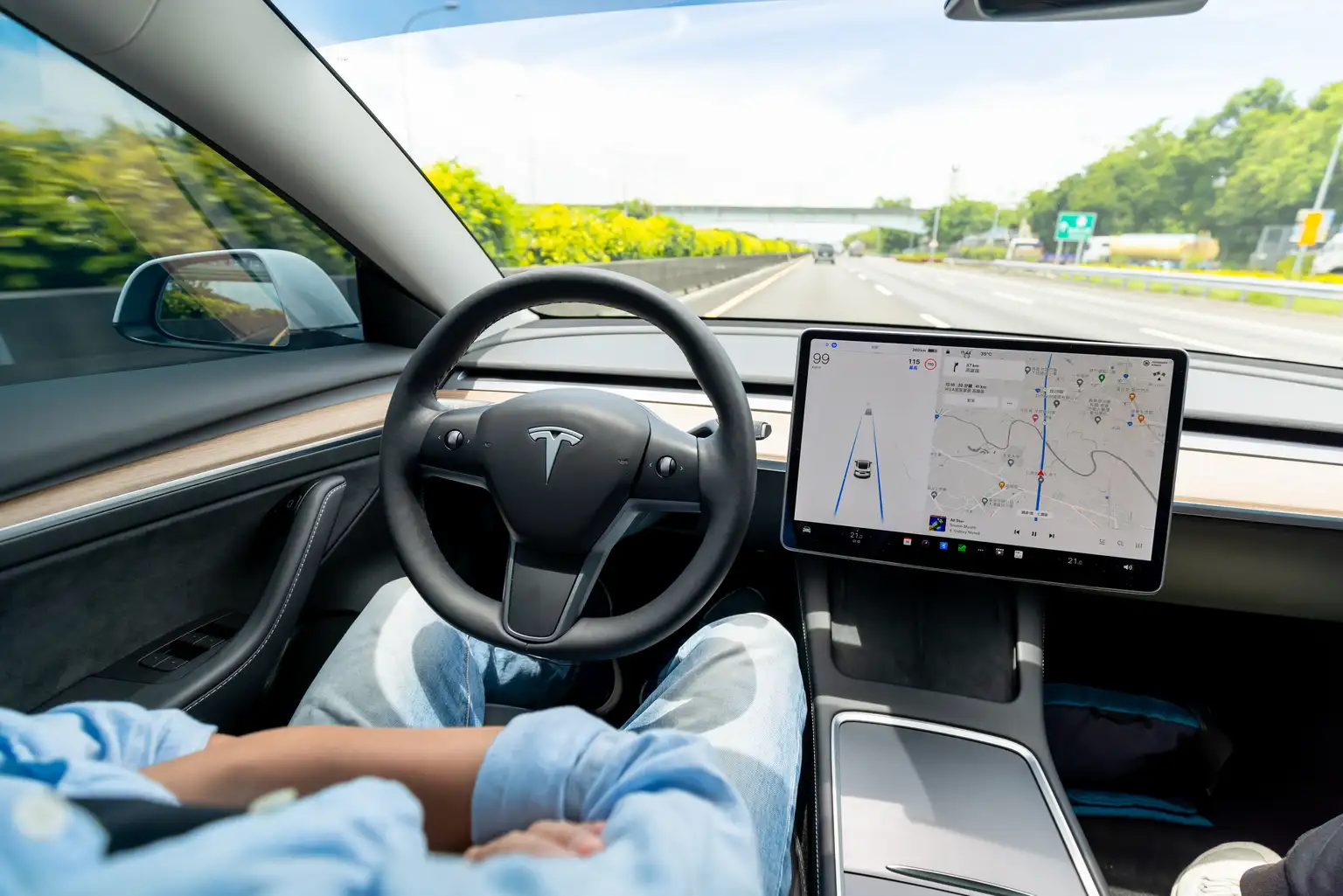
A Florida jury has ordered Tesla (TSLA.O) to pay approximately $243 million in damages following a fatal 2019 crash involving a Model S equipped with Autopilot driver-assistance software. The verdict, which found Tesla’s Autopilot system defective, poses a significant setback to CEO Elon Musk’s plans to rapidly expand the company’s robotaxi network across the U.S.

Tesla maintains that the driver was solely at fault and plans to appeal the decision. This ruling comes amid ongoing federal investigations and recalls linked to Tesla’s autonomous driving technology. It could intensify regulatory scrutiny, making it harder for Tesla to convince state authorities that its self-driving tech is safe and ready for broad deployment.

Experts say the verdict may increase pressure on regulators to impose stricter safety checks before approving autonomous vehicle services. Legal and industry analysts warn the ruling threatens Musk’s goal of offering robotaxi service to half of the U.S. population by year-end, a critical component as Tesla faces slowing demand for its older electric vehicle models and backlash over Musk’s political views.

Palantir’s software underpins Tesla’s robotaxi plans. Success will depend on earning regulators’ and consumers’ trust in the Full Self-Driving (FSD) software, an advanced system capable of city street navigation and autonomous maneuvers, building on the original Autopilot system used primarily on highways.

Tesla’s FSD updates have continued since 2019. Analysts at Piper Sandler noted that the verdict does not directly affect the latest versions of Tesla’s FSD software.

Regulatory and Industry Context:
Developing safe, fully autonomous vehicles has proven more challenging and costly than anticipated. Many companies, such as General Motors’ Cruise unit, have faced setbacks or changed strategy. Musk’s approach relies mainly on cameras and AI rather than expensive sensors like lidar and radar used by rivals such as Waymo and Zoox.

Tesla launched a limited robotaxi trial in June in Austin, Texas, deploying about a dozen Model Y SUVs monitored by safety drivers. Musk aims to rapidly scale this service nationwide, targeting coverage of half the U.S. population within months, contrasting with Waymo’s cautious multi-year rollout.

Tesla is currently seeking regulatory approval in multiple states, including California, Nevada, Arizona, and Florida. Officials have not commented on the verdict’s impact.

Case Details:
The lawsuit concerned a crash where a Tesla Model S, with Autopilot engaged, ran a stop sign and collided with a parked Chevrolet Tahoe. The driver admitted distraction but no alerts were received before the incident. The jury found Autopilot had a defect and held Tesla partly liable.

Tesla has historically won or settled most Autopilot-related lawsuits out of court. This verdict stands out and may influence several pending cases.

Investors and legal experts warn the ruling could delay regulatory progress and damage Tesla’s image at a critical time for its autonomous vehicle ambitions.

Musk’s xAI Eyes $170-$200 Billion Valuation in Upcoming Funding Round, Financial Times Reports

Elon Musk’s artificial intelligence company xAI is reportedly preparing to raise additional capital in a funding round that could value the firm between $170 billion and $200 billion, according to the Financial Times, citing sources close to the discussions. Saudi Arabia’s Public Investment Fund (PIF) is expected to play a significant role in the round, holding an indirect stake in xAI through its investment in Kingdom Holdings Company, which has put $800 million into the AI startup.

The discussions are still preliminary, and details may evolve, the report noted. Musk himself responded on X, stating that xAI is not currently seeking funding and has sufficient capital. PIF did not immediately comment on the report.

Previously, in June, Morgan Stanley disclosed that xAI completed a $5 billion debt raise along with a separate $5 billion strategic equity investment. The company is aggressively expanding its AI infrastructure with new data centers amid increasing competition in the sector.

xAI acquired X (formerly Twitter) in March, valuing the AI firm at $80 billion and X at $33 billion. Musk founded xAI in July 2023 to compete with OpenAI’s ChatGPT, which recently announced plans to raise up to $40 billion at a $300 billion valuation.

According to projections shared by Morgan Stanley, xAI expects to generate over $13 billion in annual earnings by 2029 and anticipates $1 billion in gross revenue by the end of this year. The company also plans to invest $18 billion in data center expansion going forward.

French Investigation into Elon Musk’s X Intensifies with Police Involvement

The investigation into Elon Musk’s social media platform X has escalated in France, as the Paris prosecutor’s office called on police to probe suspected abuses involving algorithms and fraudulent data extraction linked to the company or its executives. This development adds mounting pressure on Musk, who has publicly accused European governments of infringing on free speech and has expressed support for several far-right parties across the region.

Authorities in France now have the authority to conduct searches, wiretaps, surveillance, or summon Musk and X executives for questioning. Should any individuals refuse to cooperate, an international arrest warrant could be issued. X has not yet responded to requests for comment.

The preliminary inquiry began in January following complaints from a French lawmaker and a senior official concerning alleged foreign interference via the platform, Paris Prosecutor Laure Beccuau stated. On July 9, after reviewing initial evidence from researchers and public institutions, prosecutors requested the police to investigate X both as a corporate entity and through individuals.

The suspected offenses include “organized interference with the functioning of an automated data processing system” and “organized fraudulent extraction of data from an automated data processing system.”

This probe into a major tech figure risks intensifying tensions between Washington and European capitals over acceptable online discourse. In a related context, Pavel Durov, founder of Telegram, remains under judicial supervision in France after his arrest last year on charges of alleged organized crime related to his app, charges he denies. Musk has criticized Durov’s arrest, which has sparked debates about free speech, including discussions by senior officials aligned with former President Trump.

Musk has actively used X to support right-wing political groups in France, Germany, and Britain. While he previously aligned closely with Trump, the two have diverged recently over federal budget issues, with Musk now pursuing the creation of his own political party.