Yazılar

FAA Clears SpaceX Starship for Next Test Flight, Expands Hazard Zones After Debris Incidents

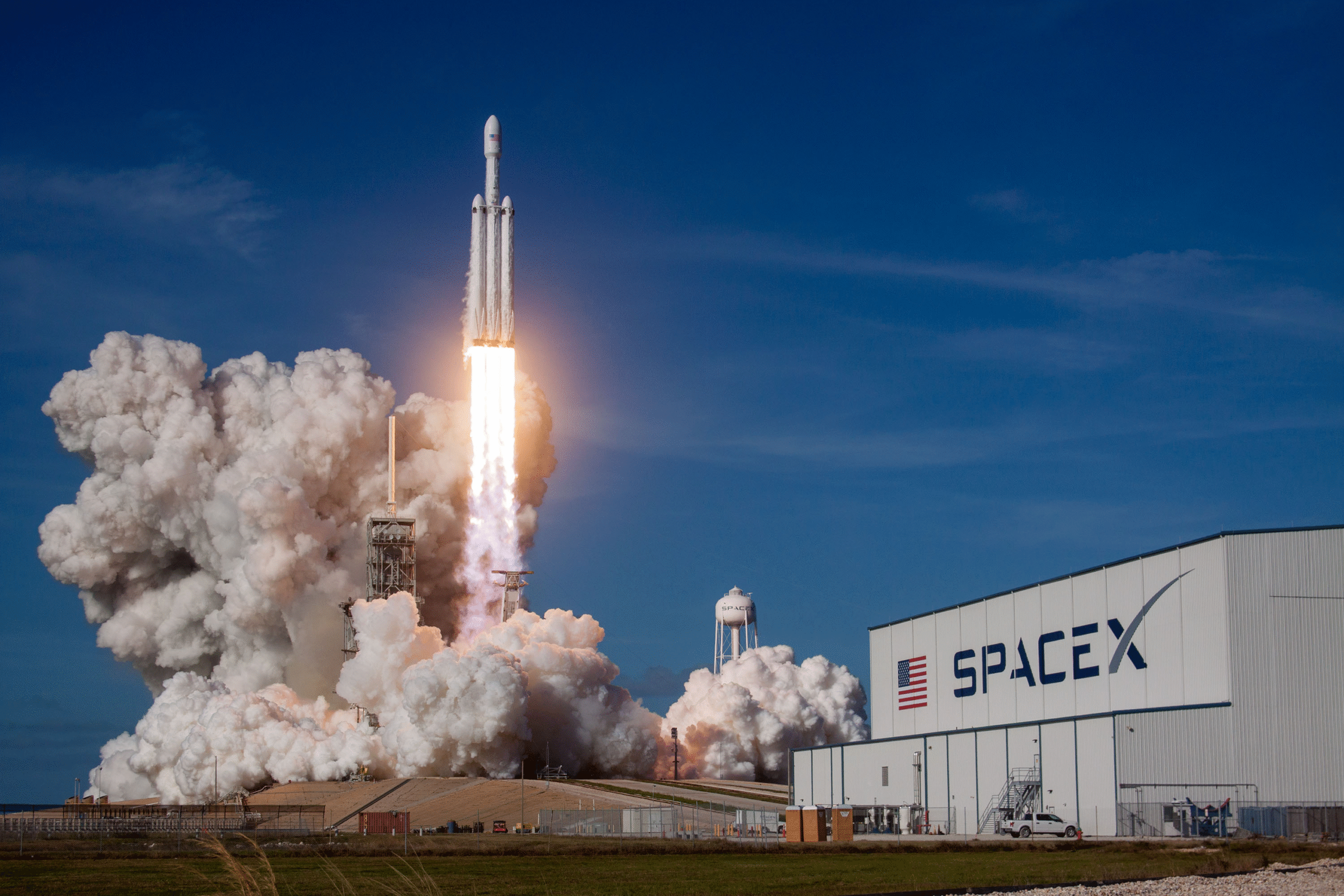
The U.S. Federal Aviation Administration (FAA) has approved SpaceX’s Starship for its ninth test flight, following a series of explosive failures that scattered debris across international territories earlier this year. The launch, now cleared to proceed as early as Tuesday, May 27, will include enhanced safety measures and wider hazard zones along the rocket’s trajectory.

The 400-foot-tall (122-meter) rocket system, a cornerstone of NASA’s Artemis Moon program and Elon Musk’s Mars colonization vision, has faced intense scrutiny following two failed flights in January and March. Debris from those tests impacted areas in Turks and Caicos, the Bahamas, and other parts of the Caribbean, raising diplomatic and safety concerns.

Expanded Flight Safety Protocols

  • The FAA has expanded the Aircraft Hazard Area along Starship’s path:

    • From 885 nautical miles to 1,600 nautical miles

    • Includes airspace over the Straits of Florida, Bahamas, Turks and Caicos, and parts of Mexico and Cuba

  • The expansion is based on an updated flight safety analysis, factoring in:

    • Probabilities of vehicle failure

    • Public safety risks

    • Introduction of booster reuse for the first time in Starship’s test program

“With the Starship vehicle return to flight determination, Starship Flight 9 is authorized for launch,” said the FAA, confirming SpaceX meets all safety, environmental, and licensing standards.

Diplomatic and Environmental Coordination

The FAA emphasized its collaboration with international partners, including:

  • United Kingdom (Turks and Caicos)

  • Mexico, Cuba, and the Bahamas

These nations were involved in post-incident cleanup coordination and expressed concern after debris from previous flights landed in their jurisdictions.

What’s at Stake

  • Flight 9 marks a critical milestone in SpaceX’s goal of reusability, as it attempts to reuse a Super Heavy booster for the first time.

  • Success would represent a major step toward Musk’s ambition to create a rapidly reusable launch system for human space exploration.

  • Delays or additional failures could impact NASA’s Artemis lunar plans, which rely on Starship to land astronauts on the Moon later this decade.

The FAA’s decision reaffirms the agency’s role in balancing commercial innovation with global safety and diplomatic responsibility, as spaceflight increasingly intersects with international airspace and policy.

Tesla to Launch Robotaxi Trial in Austin by End of June, Says Elon Musk

Tesla is preparing to begin its much-anticipated robotaxi pilot program in Austin, Texas, by the end of June, CEO Elon Musk confirmed in an interview with CNBC. The trial marks a significant milestone for the electric carmaker’s shift toward autonomous driving and AI-driven products.

Initially, Tesla plans to deploy about 10 self-driving vehicles in select “safest” parts of Austin, with the goal of scaling up to approximately 1,000 cars over the following months. The launch comes at a critical time for Tesla, as global sales have slowed amid growing EV competition and mounting scrutiny of Musk’s political affiliations and side ventures.

Musk emphasized that Tesla’s long-term future hinges on autonomy and its humanoid robot project, Optimus. “The only things that matter in the long term are autonomy and Optimus,” he stated, underlining the strategic pivot away from building a low-cost EV platform.

The robotaxi launch will face close examination from the U.S. National Highway Traffic Safety Administration (NHTSA), which is currently investigating incidents involving Tesla’s Full Self-Driving (FSD) software, particularly in low-visibility conditions. The regulator recently asked Tesla to detail how its robotaxis will operate in adverse weather.

Meanwhile, Musk revealed that Tesla is in licensing discussions with major automakers interested in using its FSD software — a potential revenue stream that could help commercialize the robotaxi platform faster.

Beyond Tesla, Musk’s AI startup xAI is also making headlines. The company is expanding a massive supercomputer cluster named “Colossus” in Memphis, Tennessee, which will feature one million of Nvidia’s Blackwell chips — part of a broader plan to train advanced AI models. xAI recently acquired a 1-million-square-foot property in Memphis to support the buildout.

While a merger between Tesla and xAI is not currently planned, Musk did not rule it out entirely, stating it would require shareholder approval if it were to move forward.

Tesla Ditched Robotaxi Lease Plan, Sold Returned Vehicles for Profit Instead

Tesla quietly ended a years-long policy that blocked U.S. customers from buying their leased vehicles, a policy originally justified by CEO Elon Musk’s 2019 claim that returned cars would be used in the company’s upcoming robotaxi” network. The autonomous fleet never materialized — and instead, Tesla flipped many of the off-lease vehicles for profit through resale, according to a Reuters investigation citing multiple sources familiar with Tesla’s retail operations.

Background: The Robotaxi Promise

In 2019, Musk publicly stated that Tesla would not allow lease buyouts because it needed the vehicles back for its planned fleet of self-driving robotaxis, claiming:

Next year, for sure, we’ll have over 1 million robotaxis on the road.”
This never happened. Instead, Tesla:

  • Upgraded returned cars with high-margin software features like “Full Self-Driving” ($8,000–$15,000) and “acceleration boost” ($2,000)

  • Resold them to new customers at higher prices than lease-end buyouts would have yielded

  • Blocked lessees from buying vehicles for years, citing the robotaxi plan that never materialized

Lease Policy Reversal

On November 27, 2023, Tesla quietly reversed the policy. A post from its North America X account (formerly Twitter) announced that Lease buyout now available” for new contracts. Its website was also updated to reflect that leased cars may be eligible for purchase”a major shift after years of denying customers that right.

Legal but Misleading

While Tesla’s no-buyout lease terms were likely legal, critics argue they were deceptive, especially given Tesla’s continued robotaxi narrative. Many lessees were led to believe their cars were headed for autonomy, only to discover they were sold in secondary markets.

  • Joe Mendenhall, a lessee from Indiana, was told multiple times his Model Y was bound for robotaxi duty. He later learned it was auctioned off:

Lies about not being able to buy out my lease,” he posted.

  • Another customer, Marshall Distel, expressed regret over his association with Musk, saying:

I love the car, I just don’t like what has been going on at the top with the CEO.”

Business Strategy Masked by Autonomy Claims

Tesla’s strategy of reselling off-lease cars at inflated prices was financially lucrative — especially when used car prices soared during the pandemic. However, now that demand has cooled and used Tesla prices are plummeting, the company appears to have changed course.

  • Tesla vehicles now depreciate faster than most EVs, with used Model Y prices falling 14.1% and Cybertruck prices plunging 46% over the last year, according to CarGurus.

  • During the January earnings call, Tesla CFO Vaibhav Taneja acknowledged “lower profit from used car business” as a reason for margin decline.

Investor Illusion

The robotaxi story also helped sustain investor confidence — contributing to Tesla’s high stock valuation despite lack of profitability from full autonomy. Firms like Ark Investment cited Tesla’s off-lease fleet as a potential base for an autonomous ride-hailing service, a belief now shown to be based on unfulfilled assumptions.

Conclusion

Tesla’s abandoned robotaxi lease plan reflects a broader pattern of overpromising and underdelivering on autonomous driving, while capitalizing on consumer and investor expectations. As the company faces softening demand, depreciating assets, and growing political backlash, its strategic pivots — and past missteps — are drawing renewed scrutiny.