Yazılar

OpenAI Unveils Restructuring Plans to Create Public Benefit Corporation

OpenAI announced plans to restructure its organization, creating a public benefit corporation (PBC) to facilitate easier fundraising and remove constraints imposed by its current nonprofit parent. This change follows growing competition in the artificial intelligence sector, where companies are increasingly focused on developing artificial general intelligence (AGI) capable of surpassing human intelligence.

The new PBC structure is designed to balance the pursuit of shareholder value with the broader societal interests of AI development. Under this plan, OpenAI’s for-profit arm would transition to a Delaware-based PBC, allowing it to raise more capital while maintaining a commitment to public good. The nonprofit will retain a significant interest in the PBC and will be one of the best-resourced nonprofits globally.

The restructuring follows OpenAI’s $6.6 billion funding round, which valued the company at $157 billion and was contingent on altering the company’s profit-sharing structure. The move aligns OpenAI with competitors like Anthropic and Musk’s xAI, which have adopted similar structures to attract investments.

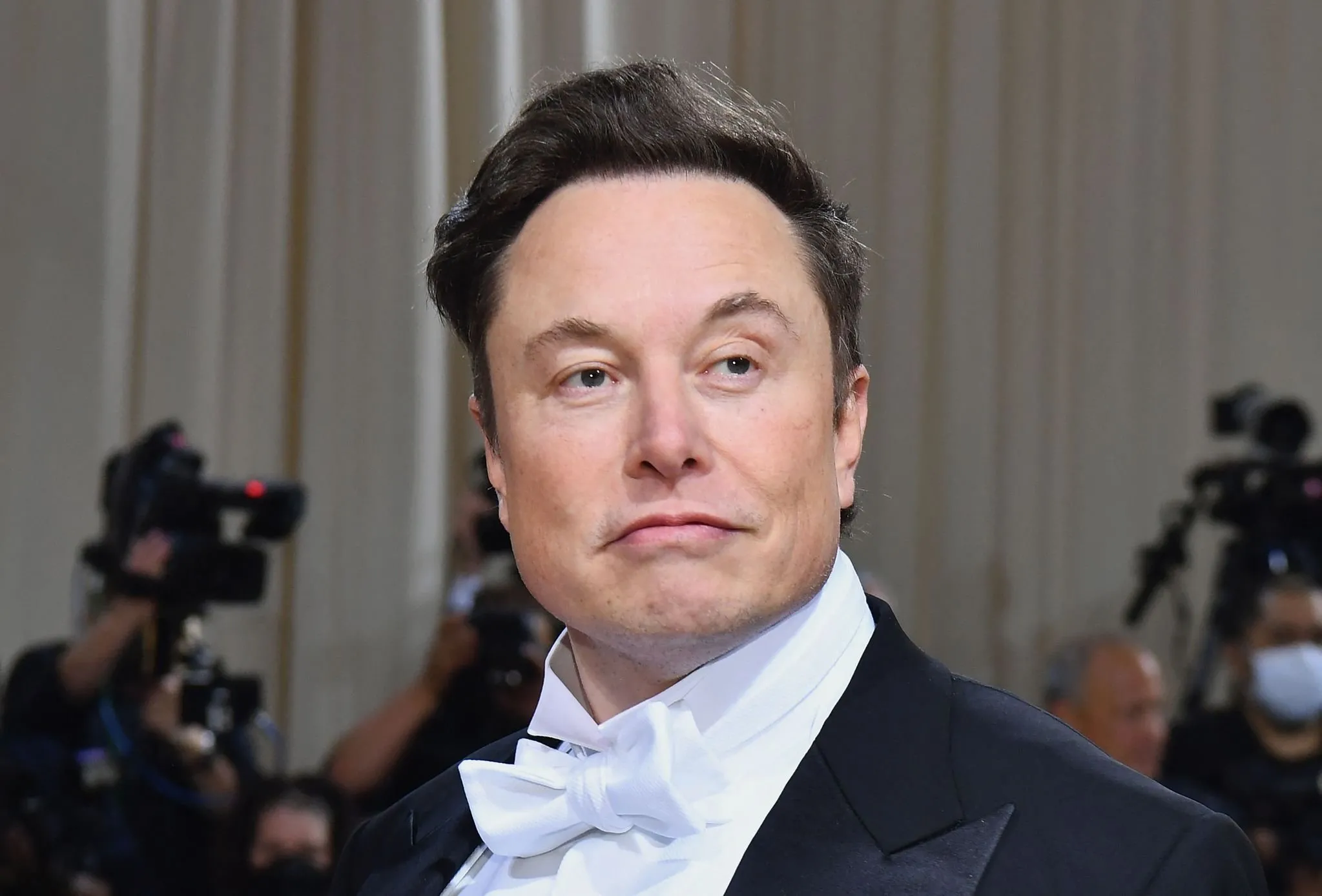
Despite the restructuring’s potential, OpenAI faces opposition. Elon Musk, a co-founder of OpenAI, has criticized the shift, arguing that the company’s push for profit is prioritizing financial gain over its public mission. He has even filed a lawsuit against OpenAI, alleging that the company’s actions have violated the spirit of its original mission. Meta Platforms has also called for California’s attorney general to block the conversion, emphasizing concerns about the impact on public good.

Although becoming a benefit corporation doesn’t mandate prioritizing mission over profit, it formally declares the intent to balance both. However, the enforcement of this balance relies on the company’s shareholders rather than legal provisions.


As Musk Gains Influence, Questions Hover Over U.S. Probes into His Empire

In the final days of the Biden administration, the U.S. Securities and Exchange Commission (SEC) gave Elon Musk a tight deadline to settle or face civil charges related to alleged securities violations during his $44 billion acquisition of Twitter in 2022. Musk broke the news on social media, posting a sarcastic comment aimed at SEC Chair Gary Gensler, questioning the motives behind the ultimatum and hinting at potential political influences.

The SEC is far from the only agency scrutinizing Musk’s business empire. Musk has long criticized government oversight, positioning himself as a victim of regulatory overreach hindering his companies’ innovations. With the imminent inauguration of Donald Trump, Musk’s influence over the U.S. government has raised concerns about how ongoing federal investigations into his companies—SpaceX, Tesla, and Neuralink—might be handled.

At least 20 investigations are reportedly ongoing into Musk’s companies, ranging from security violations related to Tesla’s Autopilot system to alleged animal-welfare violations at Neuralink. Despite these investigations, the approaching Trump administration has prompted questions about whether the probes might be dropped or sidelined due to Musk’s relationship with Trump.

Musk’s close ties with Trump are evident—he has called himself Trump’s “first buddy,” visited Trump’s Mar-a-Lago estate, and publicly supported his political appointments. Trump has even appointed Musk to co-lead a private advisory group on government efficiency, which Musk has said could help reshape national driverless-vehicle regulations to benefit Tesla.

Concerns Over Political Interference

The potential for political interference has become a topic of debate. While some experts suggest that prosecutors may still push forward with investigations if they have sufficient evidence, others argue that lower-level officials could avoid aggressive prosecution to appease the incoming administration. In particular, Trump’s DOJ appointments, many of whom have defended him in the past, could exercise discretion to protect Musk’s companies.

Tesla, SpaceX, and Neuralink have all faced their own legal hurdles. For Tesla, a DOJ investigation is looking into whether Musk and Tesla misled investors by exaggerating the self-driving capabilities of their vehicles. Meanwhile, SpaceX faces scrutiny over pollution and regulatory violations, with the Environmental Protection Agency (EPA) and the Federal Aviation Administration (FAA) taking action.

Despite this, SpaceX has largely avoided major regulatory challenges due to its extensive contracts with NASA and the U.S. government, which have outsourced much of the nation’s space exploration to Musk’s company.

Musk’s reported contacts with Russian President Vladimir Putin also raise concerns, but it is unlikely that the Trump administration will scrutinize these interactions, given Musk’s ties to the incoming administration and the fact that he has worked closely with Jared Isaacman, a tech entrepreneur who is now involved with NASA.

Ongoing Scrutiny and Potential Shifts

As Trump prepares to take office, the future of federal probes into Musk’s companies remains uncertain. While some experts downplay the risk of political interference, others warn that the shift in power could influence how aggressively the investigations move forward.

Tesla’s Annual Deliveries Decline for the First Time Amid Weak Demand and Rising Competition

Tesla, the world’s leading electric vehicle (EV) maker, reported its first-ever annual decline in deliveries in 2024, with total deliveries falling 1.1% to 1.79 million units. The decline comes despite CEO Elon Musk’s earlier prediction of “slight growth” and an array of year-end incentives, including interest-free financing and free fast-charging. These efforts failed to counteract high borrowing costs, aging models, and increasing competition, particularly from China’s BYD.

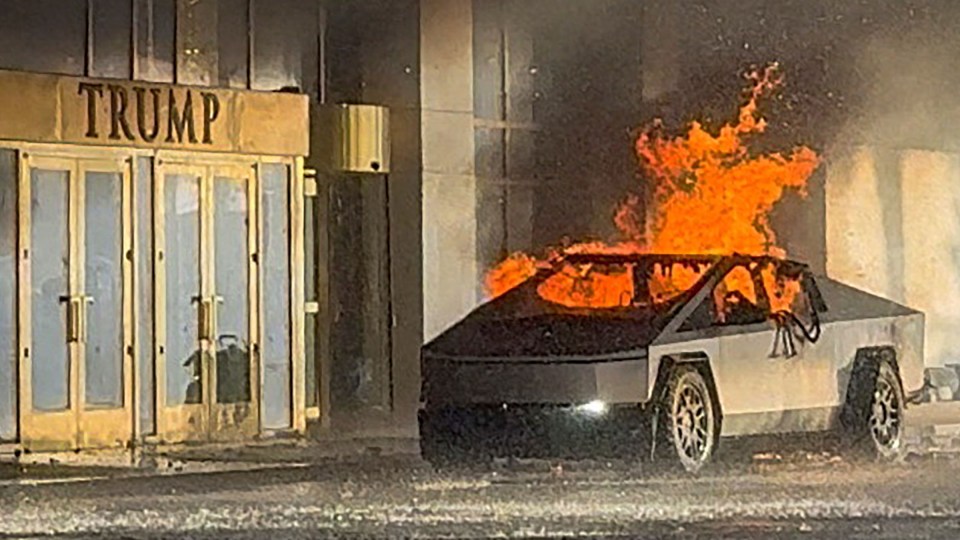
Tesla’s quarterly deliveries in the fourth quarter totaled 495,570 vehicles, missing analysts’ estimates of 503,269 units. The company produced 459,445 vehicles in the same period, down 7% year-on-year. For the year, Tesla delivered 471,930 Model 3 and Model Y vehicles and 23,640 units of other models, including the Model S, Model X, and the newly launched Cybertruck. However, Tesla has not disclosed specific delivery figures for the Cybertruck, which has shown signs of soft demand despite its futuristic design.

Challenges in Global Markets

Tesla faced significant headwinds globally in 2024. Reduced subsidies in Europe, a consumer shift in the U.S. toward lower-priced hybrid vehicles, and tougher competition from Chinese EV makers contributed to the decline. Notably, Tesla’s October registrations in Europe dropped 24%, with Volkswagen’s Skoda Enyaq SUV dethroning the Model Y as the region’s best-selling EV, according to JATO Dynamics.

In the U.S., Tesla’s challenges were compounded by potential policy changes under President-elect Donald Trump. The Trump administration is reportedly considering ending the $7,500 federal tax credit for EV purchases in 2025, a move analysts believe could further slow the adoption of EVs in the country.

Bright Spot: Record Sales in China

China, Tesla’s second-largest market, was a rare bright spot. The company achieved record sales of over 657,000 vehicles in the country, an 8.8% increase from 2023. Aggressive discounts and incentives helped Tesla outperform in the world’s largest auto market, even as global deliveries declined.

BYD, Tesla’s closest competitor, reported a 12.1% rise in global EV sales to 1.76 million units in 2024. BYD’s success was driven by competitive pricing and strong growth in Asian and European markets, intensifying competition for Tesla.

Future Prospects and Musk’s Strategic Shift

With demand for its current lineup nearing saturation, Musk is pivoting Tesla’s focus toward building a self-driving taxi business, a venture he expects to significantly boost the company’s value. However, autonomous driving technology is still years away from full commercialization, leaving Tesla reliant on its upcoming cheaper car models and the Cybertruck to meet its ambitious 20%-30% growth target for 2025.

Musk has also positioned himself as a key ally of the incoming Trump administration, donating millions to Trump’s campaign. Musk plans to use his influence to advocate for federal approval of autonomous vehicles to replace state-specific regulations, which he described as cumbersome.

Investor Reactions and Outlook

Tesla’s shares fell 6% after the announcement of its delivery decline, with analysts raising concerns about the company’s growth trajectory and the market saturation of its current models. Morningstar analyst Seth Goldstein highlighted that slower deliveries reduce Tesla’s potential market for ancillary services like autonomous driving software, charging, and insurance.

Analysts remain cautious about Tesla’s ability to rebound. The company faces intensifying competition, regulatory uncertainty, and the challenge of rejuvenating consumer demand in a slowing EV market.