In the Cognac region of western France, known for its world-renowned brandy, producers are grappling with the fallout from a growing trade dispute between the European Union and China. The EU’s impending tariffs on Chinese electric vehicles (EVs) and China’s retaliatory measures on French brandy imports are casting a shadow over the local economy.
Christophe Bouetard, a car dealer in Cognac who sells Chinese-made MG electric vehicles, is among those most affected. His dealership relies heavily on sales of Chinese-made EVs, which will soon face a 45% EU tariff, threatening nearly half his business. Many of his customers are involved in the brandy trade, another sector now targeted by Chinese tariffs.
Bouetard described the situation as a “double hit,” with both the automotive and brandy industries suffering. “We’re caught in a vice, between the Cognac region and the image of our Chinese vehicles, which are now in conflict because of these European tariffs,” Bouetard said.
Cognac Industry Faces Challenges
The Cognac region has already been reeling from a decline in exports. After a decade of growth, foreign sales dropped by over 20% in 2023 due to inflation, poor harvest conditions, and a disease affecting grapevines. The latest blow comes from China’s provisional anti-dumping measures, introduced in response to the EU’s planned tariffs on Chinese EVs, which were heavily supported by France.
In 2022, French brandy shipments to China were valued at €1.7 billion, with €1 billion in revenue flowing directly to Cognac producers. France’s trade ministry has labeled China’s move a violation of free trade, and the European Commission plans to challenge it at the World Trade Organization (WTO). French Trade Minister Sophie Primas emphasized that while France is not seeking a trade war with China, it aims to re-establish fair competition.
Concerns Over the Future of the Industry
Despite the strong rhetoric from Paris, Cognac producers fear their industry may be sacrificed in efforts to protect Europe’s larger car industry from competition with cheaper Chinese-made EVs. A senior Cognac official, speaking anonymously, expressed concerns that the French government may not be able to prevent permanent tariffs on brandy. During discussions with high-ranking officials, no clear solution had been offered.
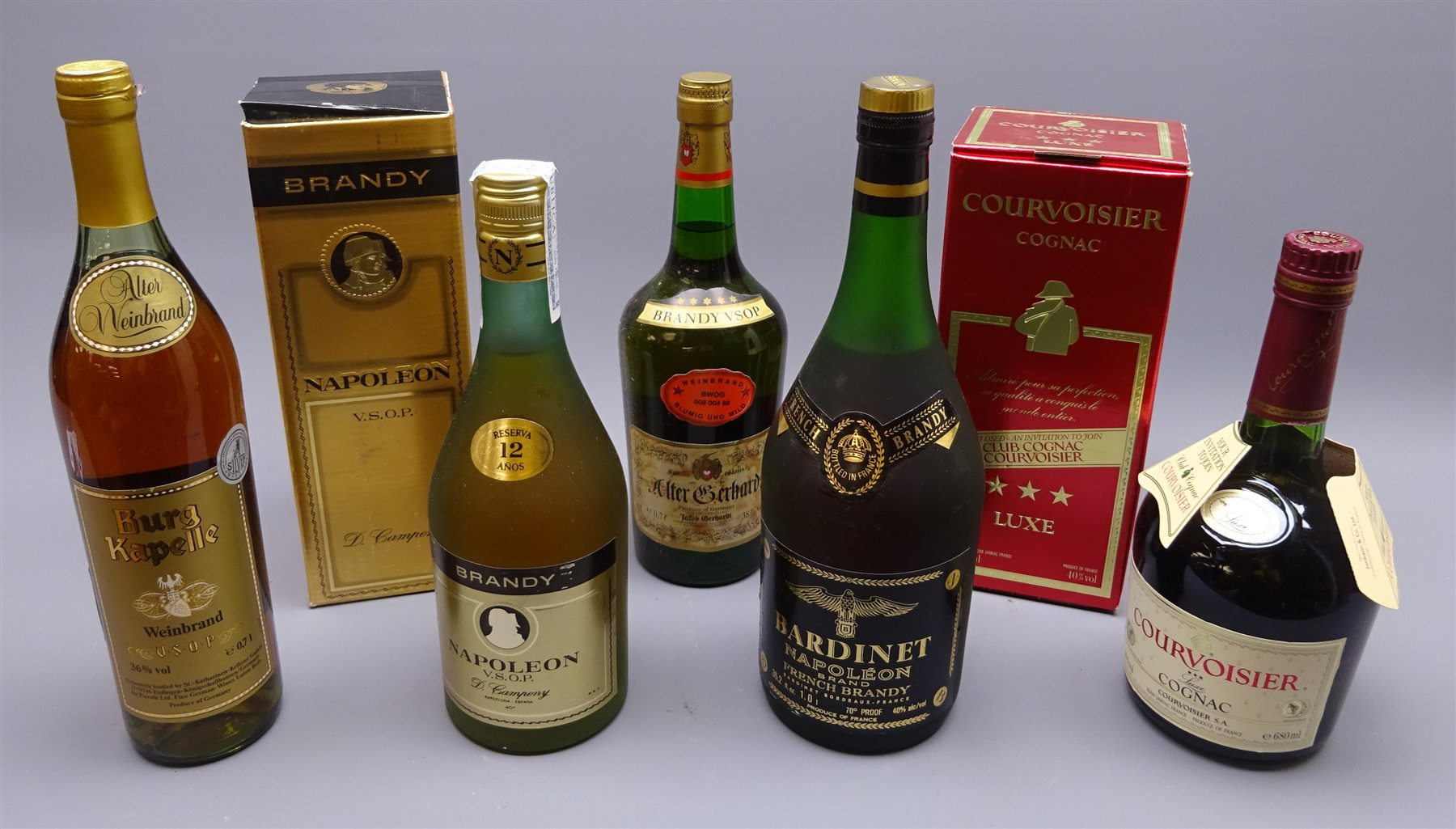
The tariffs have sent ripples through France’s luxury sector. Shares of companies like LVMH, Remy Cointreau, and Pernod Ricard—responsible for iconic cognac brands such as Hennessy, Remy Martin, and Martell—fell sharply after China’s announcement. Cognac producers fear that if China’s retaliatory measures become permanent, exports to the country, which is Cognac’s second-largest market after the U.S., will plummet.
French agriculture officials, including former Agriculture Minister Marc Fesneau, believe that China’s actions specifically target France. “Cognac is France, so we can see China’s diplomatic game,” Fesneau said.
China’s New Measures and Their Impact
Starting Friday, importers of EU-origin brandy will have to place security deposits between 34.8% and 39% of the import value under China’s temporary measures. Should these duties become permanent, they would severely impact the high-end cognac market, as Chinese consumers primarily purchase the oldest and most expensive bottles.
Emmanuel Painturaud, a cognac producer who co-owns Painturaud Frères Cognac with his brothers, expressed deep concern, calling China’s response particularly damaging for the region. “Wine makers feel like they’re being held hostage, with some vindictive moves by the Chinese government,” he said.
Nearly all of Cognac’s production is exported, and its historic trade links with China span over 250 years. Local winegrowers now fear the worst. “If we add the loss of our second market, the consequences will be catastrophic,” warned Anthony Brun, chairman of the General Union of Cognac Winegrowers (UGVC).
Bouetard’s Automotive Concerns
As Bouetard’s car dealership navigates the same storm, he hopes to mitigate some of the fallout by promoting hybrid vehicles and speculating that Chinese carmakers may begin building factories in Europe to bypass the new tariffs. However, he acknowledges that 2024 will be a difficult year. “If the 45% tariffs become a permanent reality, we’re going to have to find solutions,” he admitted.
For now, the Cognac region waits anxiously, with producers and dealers alike bracing for the potential long-term impacts of this international trade dispute.