Yazılar

Germany Tightens Migration Controls, Stirring Tensions in Europe

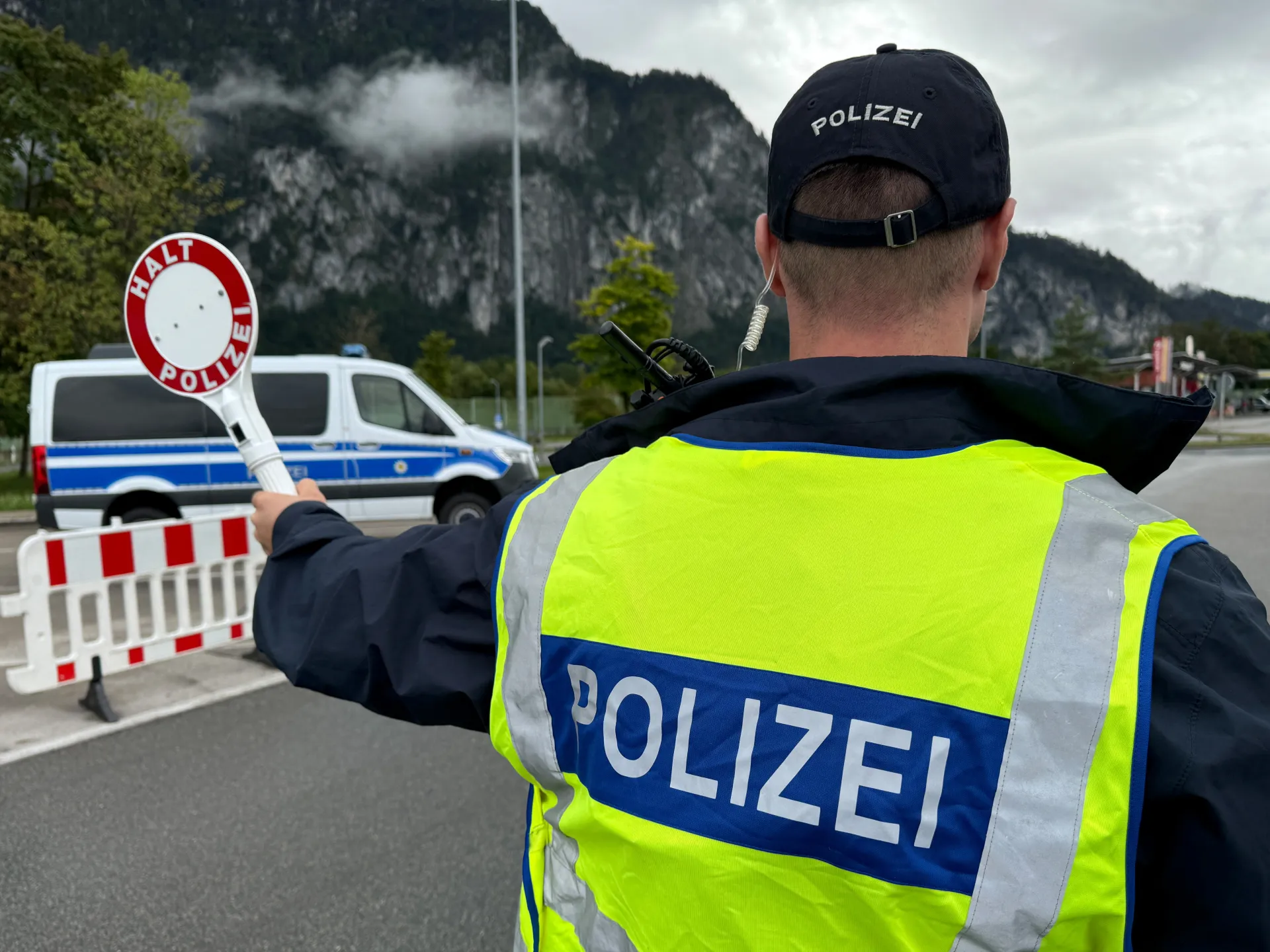
Germany has initiated new controls at all its land borders as part of an intensified crackdown on migration, significantly affecting the Schengen Zone’s free movement. Starting Monday, border controls have been expanded beyond existing checks with Austria, Switzerland, the Czech Republic, and Poland to now include France, Luxembourg, the Netherlands, Belgium, and Denmark. The German Interior Ministry has confirmed that these restrictions, allowing the rejection of individuals at all land borders, will initially last for six months.

The shift underscores Germany’s evolving stance on migration, which has toughened significantly since the country welcomed over one million refugees during the 2015-2016 migrant crisis under former Chancellor Angela Merkel. With a surge in far-right opposition, Germany, like other European nations, is tightening its rules on migration, facing increasing domestic pressure to act.

The move follows Germany’s recent agreement with Kenya, which will allow skilled and semi-skilled Kenyan workers to migrate to Germany. Interior Minister Nancy Faeser emphasized that the new rules are necessary to “strengthen internal security” and combat threats from Islamist terrorism and cross-border crime.

However, this decision has sparked criticism from Germany’s European neighbors and raised concerns over the future of Schengen Zone unity. Poland’s Prime Minister Donald Tusk called the new border controls “unacceptable,” while Austria and Greece have stated that they will not accept migrants rejected by Germany. The German Council for Migration warned that the policy could violate EU law, describing it as “populism” in migration policy.

Chancellor Olaf Scholz’s government faces increasing pressure to address the rise in uncontrolled immigration, especially following a fatal terror attack in Solingen, where a Syrian man with alleged ties to ISIS was involved. The crackdown reflects an effort to counter the growing influence of Germany’s far-right party, Alternative for Germany (AfD), known for its anti-immigrant stance.


China’s Exports Surge by 8.7% in August, Exceeding Expectations

China’s exports witnessed a significant increase of 8.7% year-on-year in August, surpassing the 6.5% growth predicted by a Reuters poll, according to data from the country’s customs agency. Imports, on the other hand, grew by only 0.5%, falling short of the 2% growth expected. In July, China’s exports rose by 7%, while imports outpaced predictions with a 7.2% increase.

China’s exports to its key trading partners—the U.S., the European Union, and the Association of Southeast Asian Nations (ASEAN)—also showed growth in August, with exports to the EU rising by 13%, the highest among these partners. The U.S. saw a 12% rise in imports from China, while imports from the EU fell. Meanwhile, imports from ASEAN increased by 5%.

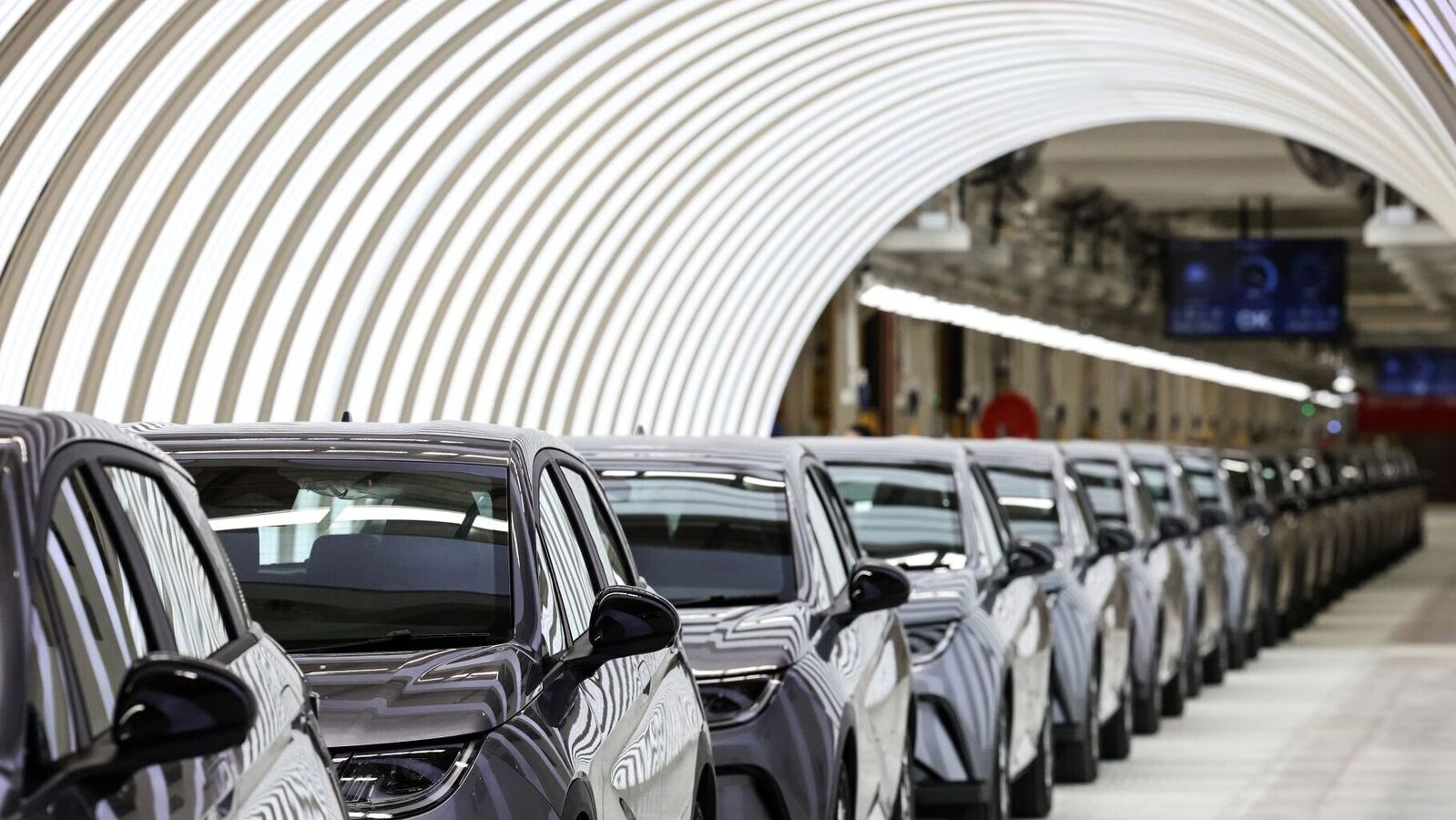
In trade with Russia, China’s imports declined by 1%, whereas exports to Russia grew by 10%. The month also saw China’s exports of cars and ships surge by nearly 40%, while smartphone exports rose by 6.7%. Other sectors, like suitcase exports, saw a growth of 9%, and integrated circuits showed an 18% rise in exports, with imports climbing by 11%.

Despite this growth, the rare earths trade exhibited a decline, with rare earth exports falling by 1% and imports dropping by 12% in August. This decrease followed China’s recent policy to increase oversight of its rare earth industry for national security reasons. China also announced export controls on antimony, set to take effect later in September. Additionally, crude oil imports fell by 7% in volume during August.

In yuan terms, year-to-date exports increased by 6.9%, while imports grew by 4.7%. Exports have been a strong point for China amidst ongoing struggles to stimulate domestic demand. However, China faces growing trade tensions with the U.S. and EU, with tariffs on Chinese electric cars and other goods adding pressure.


EU Avoids ‘Terrible Prophecies’ but Faces Trade Challenges with China, Says Gentiloni

The European Union has successfully avoided the dire economic predictions that loomed in recent years but must now navigate challenges such as Russia’s war in Ukraine and a complicated trade relationship with China, said Paolo Gentiloni, the outgoing European Commissioner for Economy, on Saturday.

Gentiloni pointed out that while the EU’s economy has seen slow growth, it has not experienced the deep recessions, blackouts, or divisions that many had feared in the last few years, especially in the face of Russia’s invasion of Ukraine. “The economy is growing, slowly, but growing,” he said during an interview at the Ambrosetti Forum in Cernobbio, Italy. However, he acknowledged that Europe needs to enhance its competitiveness and make significant strides in areas such as defense and the Capital Markets Union if it is to thrive in the changing global landscape.

The European economy, still recovering from the COVID-19 pandemic, has grappled with a cost-of-living crisis and persistent inflation, exacerbated by Russia’s February 2022 invasion of Ukraine. Despite these difficulties, the eurozone economy expanded in the first half of this year, with GDP growing by 0.3% in the second quarter compared to the first.

Looking ahead, Gentiloni highlighted two major issues the EU must tackle: its relationship with China and the ongoing war in Ukraine. The EU’s decision in June to impose higher tariffs on Chinese electric vehicles—due to the bloc’s belief that they benefit from unfair subsidies—has led to heightened tensions with Beijing. He emphasized that while the EU must remain vigilant in trade relations with China, it is crucial not to abandon international trade entirely.

Gentiloni also downplayed concerns about the potential economic impact of Donald Trump’s possible return to the White House in 2024, noting that while such an outcome would not be welcomed in Brussels, it would not drastically alter U.S.-EU economic relations.

As Gentiloni prepares to step down from his role, Europe faces rising political challenges. The European Commission, led by Ursula von der Leyen, is contending with increasing support for far-right factions, especially as politicians like Hungary’s Prime Minister Viktor Orbán question whether the current Commission is equipped to address Europe’s future challenges.