Yazılar

Tesla’s Sales Rise in Parts of Europe but Pressure Mounts From Rivals

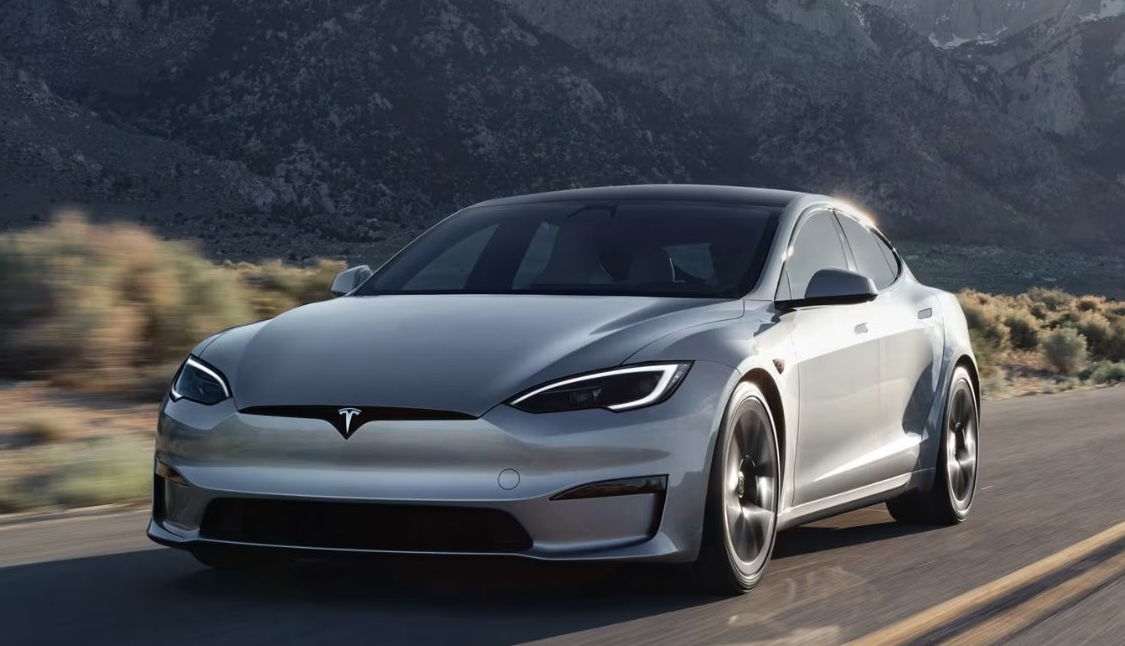
Tesla recorded a modest rebound in several European markets in September, buoyed by sales of its updated Model Y, but analysts warn the U.S. automaker faces mounting challenges from both European and Chinese competitors amid an ageing product lineup.

According to local industry data released Wednesday, Tesla’s sales rose in France, Denmark, Norway, and Spain, with the Model Y emerging as Denmark’s best-selling vehicle. However, new car registrations fell in Sweden and the Netherlands—the latter marking its ninth consecutive monthly decline.

Despite recent gains, Tesla’s broader European performance remains weak. Between January and August, Tesla’s sales fell 42.9% year-on-year in the European Union and 32.6% across Europe overall, even as the region’s total EV sales jumped 24.8%.

Matthias Schmidt of Schmidt Automotive Research described the September uptick as “a bottoming out of the downward trend rather than any real signs of an expected uplift.” He said an affordable Model Y variant, expected in 2026, could help, but Tesla’s prospects remain “tough in a more competitive market environment.”

Once dominant in Europe, Tesla now faces an influx of new EVs from Volkswagen, BMW, Renault, and Chinese players like BYD, which outsold Tesla in the EU in August for the second time this year.

The automaker’s reputation has also been affected by political backlash against CEO Elon Musk, whose support for Donald Trump’s re-election campaign and European far-right parties has alienated some consumers.

Andy Palmer, chairman of Electric Vehicles UK, said Tesla is still “a big fish, but the pond is now full of serious competitors.” Unless it refreshes its range soon, he warned, “it will keep losing market share.”

Performance varied sharply across Europe in September:

  • France: +2.74% year-on-year

  • Denmark: +20.5%, with the Model Y leading sales

  • Norway: +14.7%, with Model Y and Model 3 ranking top two

  • Spain: +3.4%, boosted by a 60% surge in Model Y registrations

  • Sweden: –64% year-on-year, though higher than August levels

  • Netherlands: –48%

Analyst Andy Leyland of SC Insights said Tesla’s biggest challenge lies ahead: “Chinese automakers are rapidly building distribution networks in Germany, the UK, and France. It will be critical to see whether Tesla can still compete.”
Tesla’s $8.5 Trillion Dream: Musk’s Pay Package Tied to Robots, Robotaxis, and Investor Faith

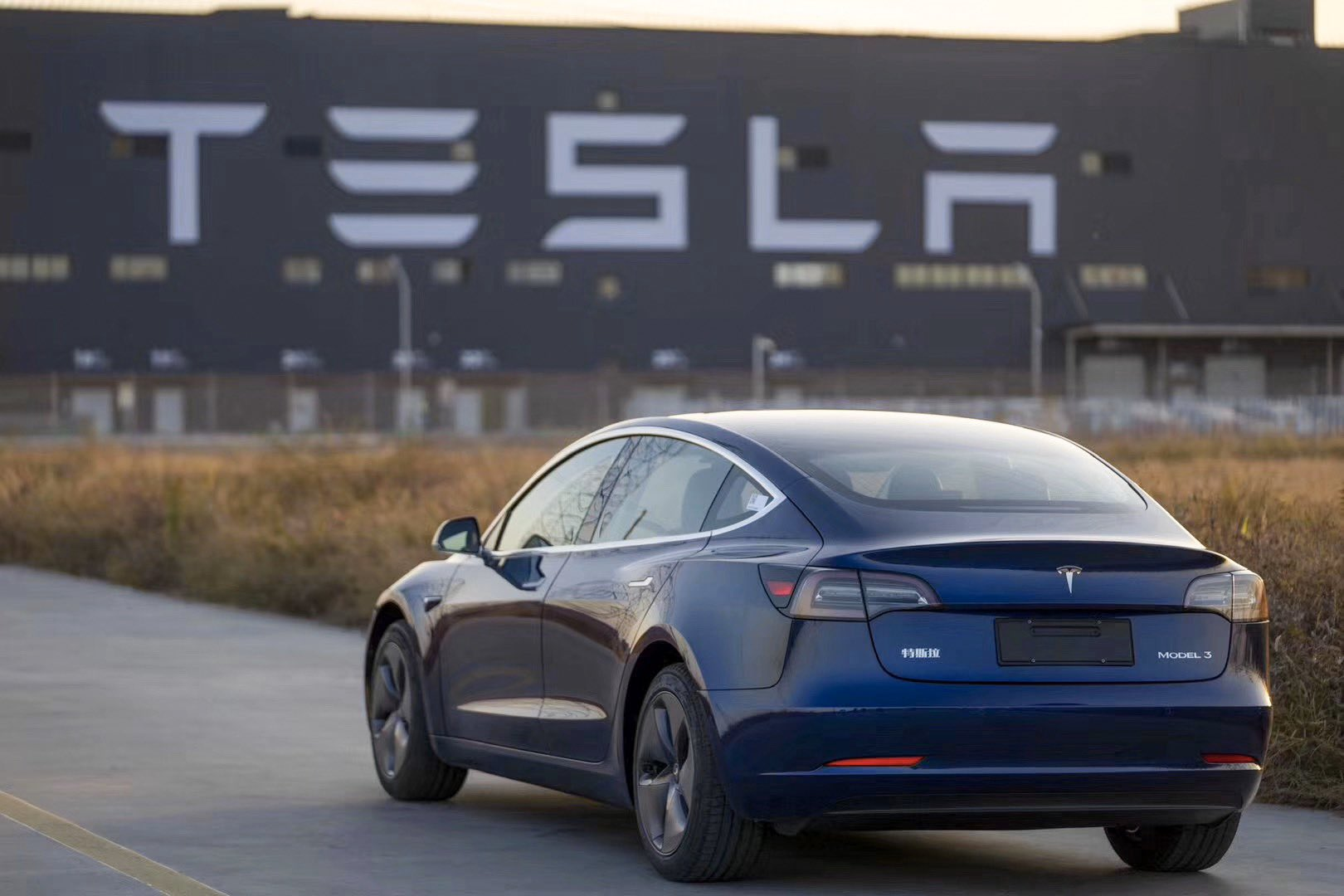
Tesla’s board has tied Elon Musk’s new trillion-dollar pay package to an extraordinary target: growing the company’s market value to $8.5 trillion over the next decade — a figure that would eclipse today’s giants Microsoft and Nvidia combined.

The Road to $8.5 Trillion

  • Robotaxis: Tesla aims to deploy 1 million autonomous taxis, building a network that could dwarf Uber’s business. ARK Invest forecasts up to $951 billion in annual revenue from ride-hailing by 2029, with Tesla taking a higher cut of fares than rivals.

  • Optimus humanoid robots: Musk says robots could represent 80% of Tesla’s value. To hit profit targets, Tesla might need to sell 100 million robots annually, priced around $25,000 each, generating hundreds of billions in EBITDA.

  • EVs & energy: Tesla’s auto and energy units would still contribute, but analysts agree the bulk of upside must come from next-gen products.

Investor Math

  • Tesla trades at about 75x EBITDA, far higher than most automakers.

  • At that multiple, Tesla would need $113 billion EBITDA for $8.5T valuation — below the $400 billion EBITDA goal in Musk’s package.

  • Current EBITDA: $13 billion (LSEG).

Risks & Reality Check

  • Operational hurdles: Vehicle sales have declined, raising near-term challenges.

  • Market skepticism: Morgan Stanley called Tesla’s $400B EBITDA target “materially more aggressive” than its forecasts, requiring massive contributions from robots and AI markets that barely exist today.

  • Regulatory & technical roadblocks: Scaling robotaxis and humanoid robots will demand breakthroughs in autonomy, safety, and manufacturing.

Why Investors Still Believe

  • Narrative power: Tesla is valued as a growth story, not an automaker.

  • Long-term optionality: Robotaxis and robots represent potential trillion-dollar markets.

  • Alignment: Tying Musk’s pay to performance reassures some investors that bold bets are necessary to reverse slowing growth.

As Will Rhind of GraniteShares put it: “There are big operational hurdles Tesla does need to accomplish… so why not tie the CEO’s compensation to reversing some of those trends?”

Wolfspeed Shares Soar 48% as Bankruptcy Court Approves Restructuring Plan

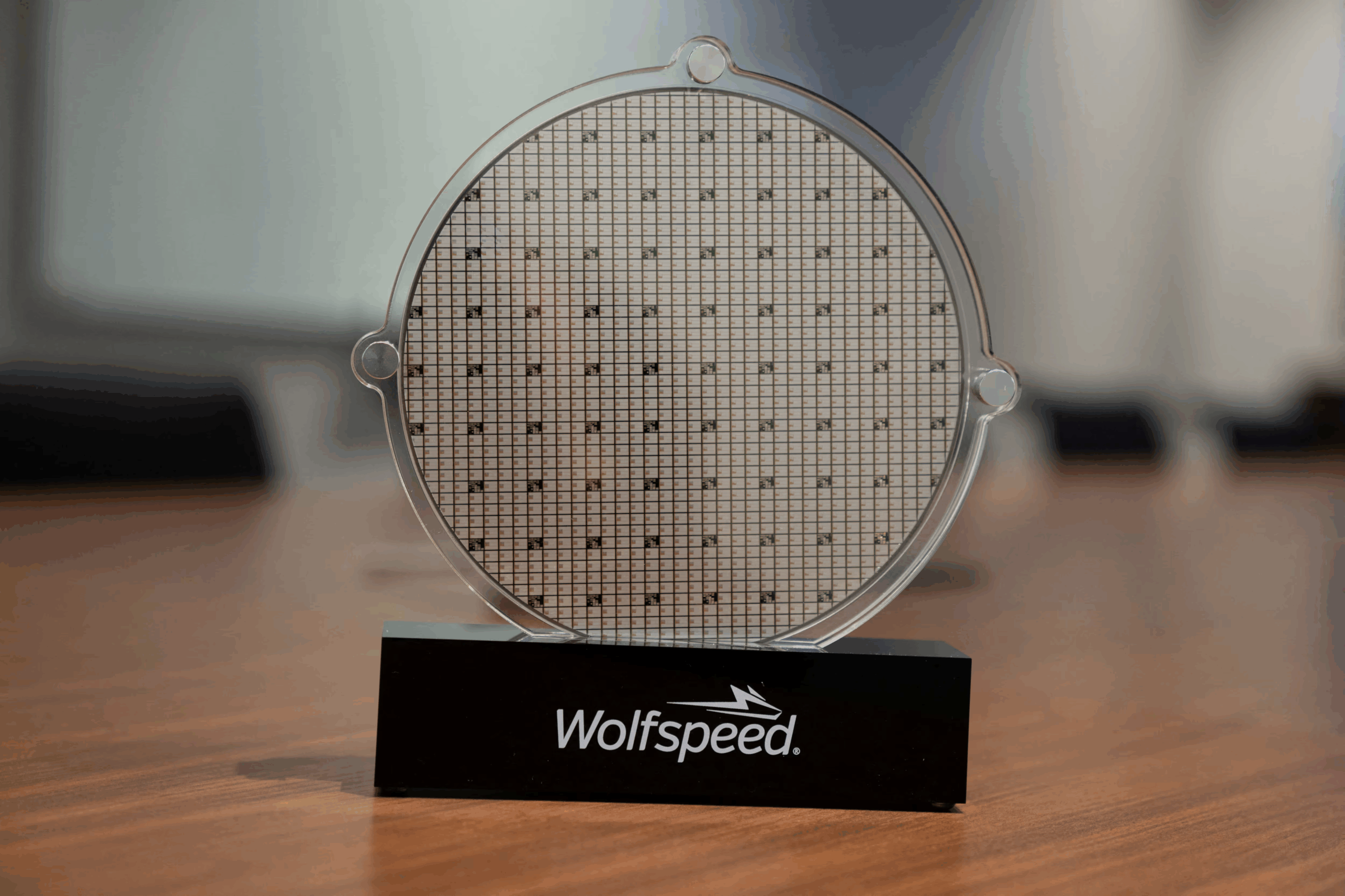
Wolfspeed (WOLF.N) saw its shares jump 48% to $1.82 on Tuesday after a U.S. bankruptcy court approved the company’s Chapter 11 reorganization plan, paving the way for an exit from bankruptcy in the coming weeks.

Key details of the restructuring

  • Debt reduction: Wolfspeed will slash its debt by about 70% (~$4.6 billion).

  • Lower costs: Annual cash interest payments will be cut by 60%.

  • Timeline: The company expects to formally emerge from bankruptcy within several weeks.

Industry role

Wolfspeed specializes in silicon carbide chips, which are prized for energy efficiency and are widely used in:

  • Electric vehicles (EVs)

  • Solar inverters

  • Industrial power systems

Leadership statement

CEO Robert Feurle said the ruling “clears the path for us to complete our restructuring process in the coming weeks.”

Background

  • Wolfspeed filed for Chapter 11 bankruptcy in June, citing going concern doubts.

  • The restructuring provides the company a financial lifeline amid surging demand for power-efficient chips, especially in EV and renewable energy markets.