Yazılar

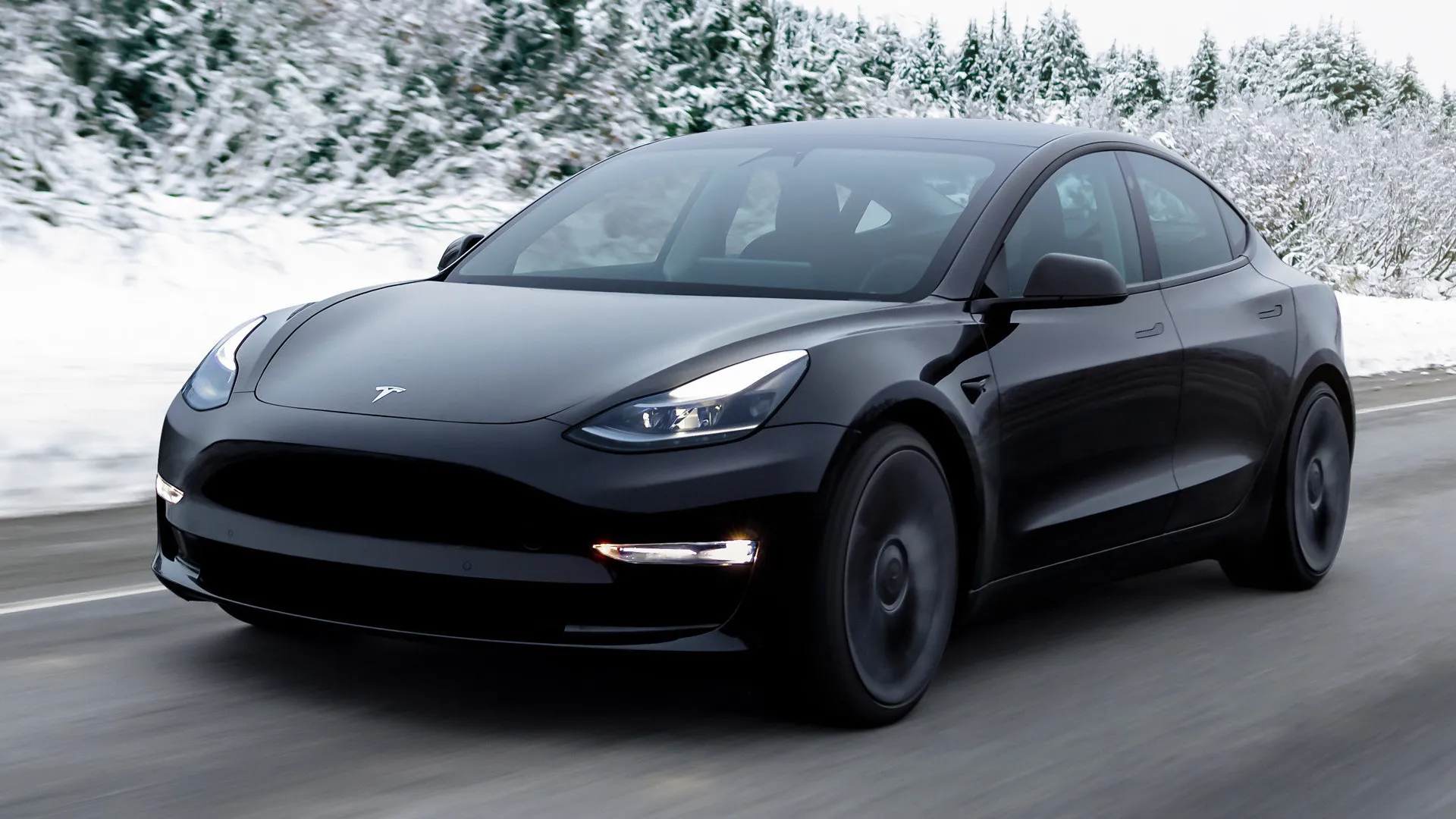
Tesla Board Floats Unprecedented $1 Trillion Pay Package for Elon Musk

Tesla’s board has proposed a record-breaking $1 trillion compensation package for CEO Elon Musk, an award that would dwarf any executive pay deal in history. The package hinges on Musk boosting Tesla’s valuation nearly eightfold to around $7.5 trillion over the next decade. If fully earned, it would significantly expand his voting power beyond his current 13% stake, further cementing his influence over the company.

The plan underscores Tesla’s reliance on Musk’s leadership as the company faces slowing electric vehicle demand, intensifying competition from China, and mounting pressure to deliver on its AI-driven ambitions in robotaxis and humanoid robots.

Reactions from analysts and investors have been sharply divided:

  • Supporters argue the structure ties Musk’s rewards to ambitious but potentially transformative growth targets. Some say shareholders stand to benefit if even part of the package is achieved.

  • Critics describe the scale as excessive and a sign of weak corporate governance, especially given Tesla’s recent challenges and Musk’s distractions outside the company. Concerns also loom over litigation risk, given that Musk’s prior $56 billion package was struck down by a Delaware court.

  • Others note the package reflects Tesla’s belief that Musk’s vision and presence are its most critical assets—even more than factories or technology.

The proposal has also raised alarms about precedent, with some observers warning it could normalize “adding extra zeros” to executive pay packages across corporate America. With shareholder approval and potential regulatory scrutiny ahead, the outcome could reshape both Tesla’s future and broader debates on CEO compensation.

Tesla Shares Drop Nearly 8% as Elon Musk’s ‘America Party’ Sparks Investor Concern

Tesla’s stock fell close to 8% on Monday amid mounting investor worries over CEO Elon Musk’s new political venture, the so-called ‘America Party,’ which raises doubts about his focus on the company’s future. The announcement came shortly after a public clash with former President Donald Trump, who dismissed Musk’s political move as “ridiculous” and threatened to cut subsidies worth billions to Musk’s companies, escalating a feud that previously erased $150 billion from Tesla’s market value in a single day.

Tesla’s shares have already dropped 35% since their record high last December, making it the worst-performing stock among the high-profile “Magnificent Seven” tech firms this year. The company also reported its second consecutive quarterly decline in vehicle deliveries, intensifying pressure on its stock.

Investors voiced frustration over Musk’s political distractions. Shawn Campbell, adviser at Camelthorn Investments, said, “I and every other Tesla investor would prefer to be out of the business of politics. The sooner this distraction can be removed and Tesla gets back to actual business, the better.”

Tesla now faces a challenging sales target, needing to deliver over one million vehicles in the second half of the year to avoid another annual sales decline amid ongoing tariff-related economic uncertainty and fallout from Musk’s political involvement. Should losses persist, Tesla could see its market valuation shrink by over $80 billion, while short sellers stood to gain about $1.4 billion on Monday alone.

Tesla Board Under Scrutiny

Musk’s political ambitions have also put Tesla’s board of directors under the spotlight. Despite rumors of potential leadership changes, board chair Robyn Denholm denied any plans to replace Musk. However, some investors, such as Azoria Partners, have expressed concern. Azoria delayed launching a Tesla ETF, with CEO James Fishback stating the board must assess whether Musk’s political role is compatible with his CEO responsibilities.

Tesla’s board has faced criticism for lacking firm oversight of Musk, who manages five other companies alongside Tesla and now a political party. Ann Lipton, a business law professor, argued, “This is exactly the kind of thing a board of directors would curtail — removing the CEO if he refused to curtail these kinds of activities.”

Despite Musk’s dominant shareholder status, the board has the authority to replace him without a shareholder vote, though such a move remains unlikely given their historical support. Lipton added, “The Tesla board has been fairly supine; they have not… taken any action to force Musk to limit his outside ventures, and it’s difficult to imagine they would begin now.”

Impact on Broader EV Market

Tesla’s stock movements heavily influence the entire electric vehicle (EV) sector. Shares of smaller EV makers Rivian and Lucid also fell around 3.5%. Analyst Craig Irwin of Roth MKM said, “Tesla is the umbrella stock for the EV space. Generally, EV stocks price up into the Tesla valuation.”

The impending expiration of the EV tax credit subsidy at the end of September (earlier than previously expected) is also expected to dampen near-term EV sales, affecting all automakers in the segment, noted Morningstar analyst Seth Goldstein.

China’s BYD to Nearly Triple Dealership Network in South Africa by 2026

Chinese electric vehicle (EV) manufacturer BYD plans to significantly expand its presence in South Africa, aiming to nearly triple its dealership network by next year as it pushes to grow its market share in Africa’s largest automotive market. The company currently operates about 13 dealerships in the country.

Steve Chang, General Manager of BYD Auto South Africa, told Reuters that BYD expects to increase its dealerships to around 20 by the end of 2025 and further expand to between 30 and 35 locations by the end of 2026. This expansion supports BYD’s goal of becoming a well-known brand across South Africa amid a growing interest in new energy vehicles (NEVs).

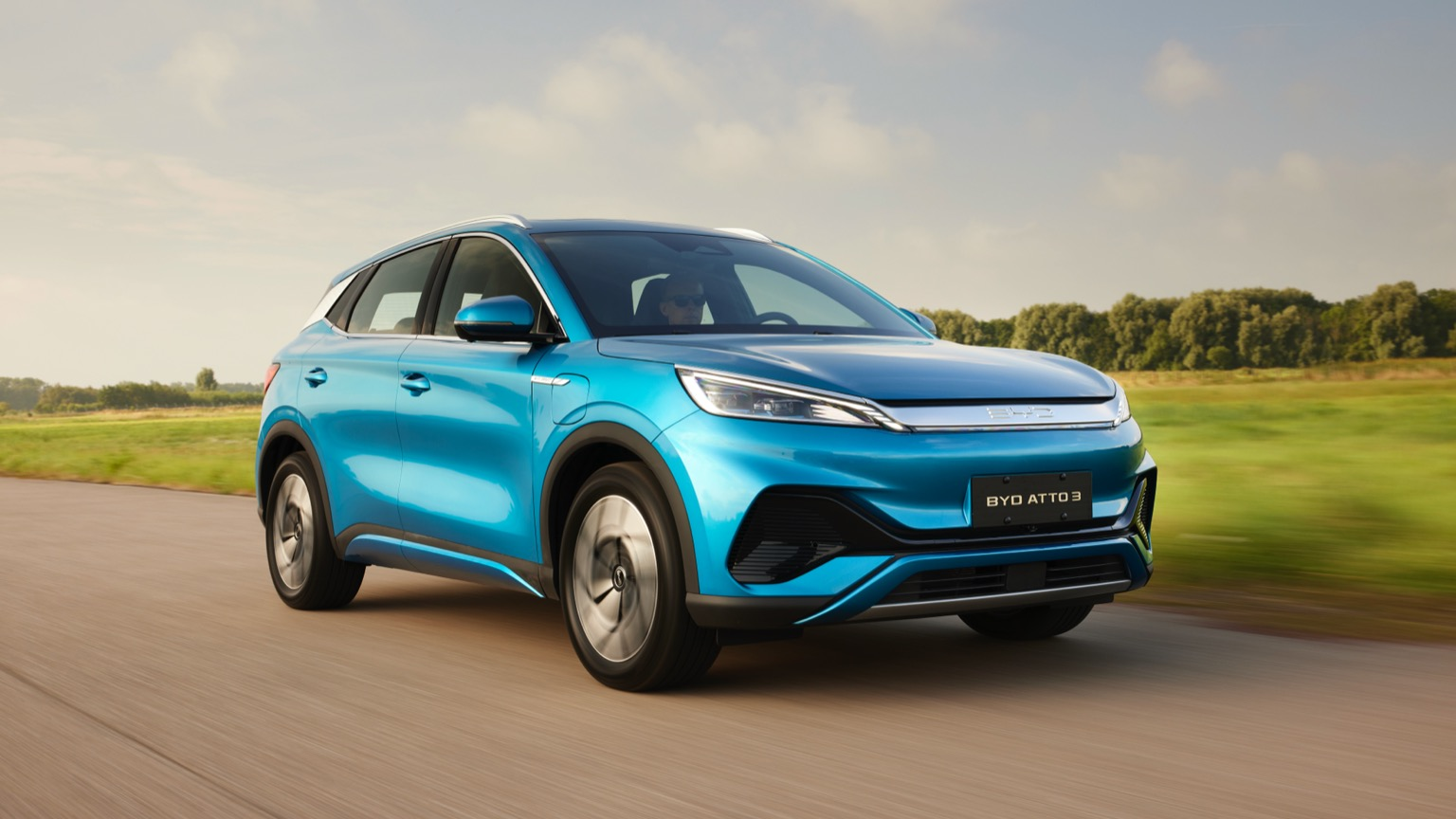
BYD launched in South Africa in 2023 with its all-electric ATTO 3 model. It now offers six models locally, including the plug-in hybrid Shark pickup, hybrid SEALION 6, and all-electric SEALION 7 SUVs introduced in April, reflecting its strategy to offer both hybrid and electric powertrains.

Sales of NEVs in South Africa nearly doubled in 2024, reaching 15,611 units compared to 7,782 units in 2023, according to the National Association of Automobile Manufacturers of South Africa (NAAMSA). Despite the low overall share of NEVs, BYD is focused on capturing early market share as the country gradually transitions toward electrified transportation.

Chang emphasized the importance of educating consumers about EVs to align South Africa with global trends. However, challenges remain, including limited charging infrastructure, unstable power supply, and relatively high import duties on EVs compared to conventional vehicles.

BYD views South Africa as a critical market in the southern hemisphere and the largest in Africa. The company’s planned expansion aims to tap into this potential and accelerate EV adoption on the continent.