Yazılar

Malaysia Denies Government Role in AI Project Involving Huawei Ascend Chips

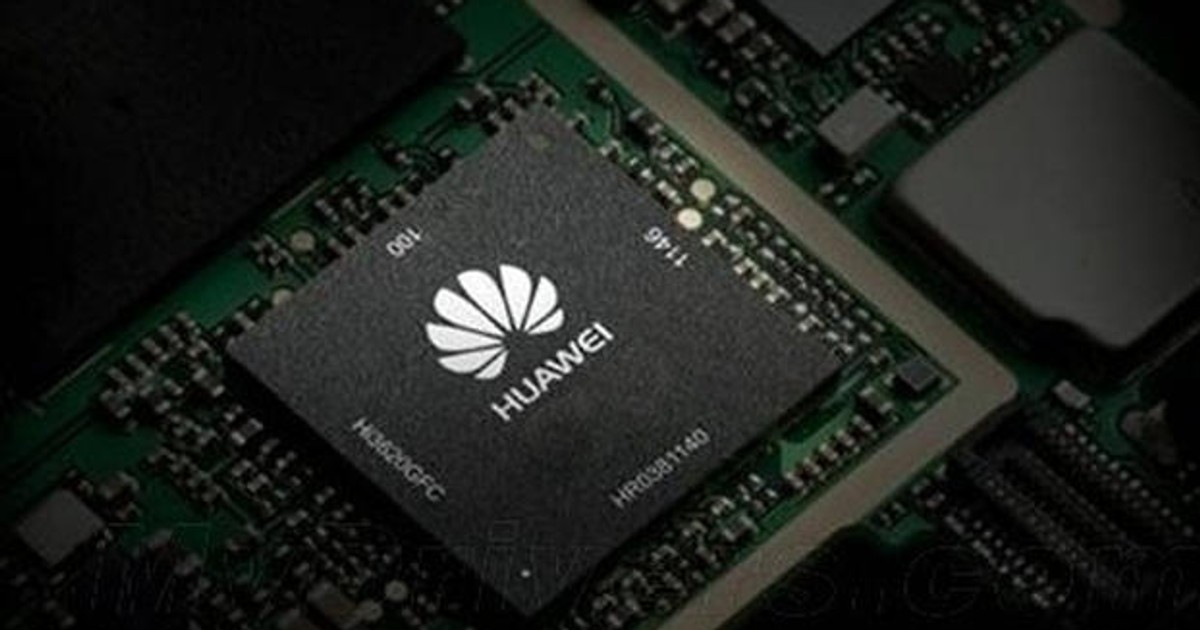
Malaysia’s Ministry of Investment, Trade and Industry (MITI) has officially clarified that the government is not involved in a reported artificial intelligence project using Huawei’s Ascend chips, distancing itself from earlier reports suggesting official backing.

The clarification follows local media coverage on Monday that claimed Malaysian firm Skyvast Corporation would deploy Huawei’s Ascend AI chips in a domestic initiative. In response, MITI stated the project “was not developed, endorsed, or coordinated by the Government of Malaysia, nor does it form part of any Government-to-Government agreement or nationally mandated technology programme.”

Huawei, for its part, told Reuters that it has not sold any Ascend chips in Malaysia, and that the Malaysian government has made no such purchases. The Chinese tech giant developed the Ascend line after being cut off from U.S. suppliers, positioning the chips as domestic alternatives amid Washington’s escalating export restrictions on advanced semiconductors, particularly from Nvidia.

The Malaysian ministry also reaffirmed its commitment to complying with international export control laws, national security regulations, and guidance from global regulatory bodies. The statement appears aimed at avoiding diplomatic friction amid growing U.S. scrutiny over AI-related tech flows involving China.

Skyvast Corporation has not responded to requests for comment.

The backtracking highlights the sensitivity of semiconductor and AI technology partnerships in the current geopolitical climate, especially as countries weigh alignment with U.S.-led technology sanctions while maintaining ties with Chinese tech firms.
China Slams U.S. for ‘Abusing’ Export Controls Over Huawei AI Chip Guidance

China has sharply criticized the United States for what it called the abuse of export control measures”, following new U.S. guidance warning companies against using Huawei’s Ascend AI chips. The Chinese Ministry of Commerce said the move threatens the stability of global semiconductor supply chains and vowed to take action to protect the rights of its domestic companies.

At a press conference on Thursday, Commerce Ministry spokesperson He Yongqian urged Washington to “correct its practices” and accused the U.S. of targeting Chinese tech firms unfairly.

Background:

  • On Tuesday, the U.S. Commerce Department’s Bureau of Industry and Security (BIS) issued new guidance stating that companies using Huawei’s Ascend chipsthe firm’s most advanced AI semiconductors—risk violating U.S. export controls.

  • These chips are produced by Huawei, a Shenzhen-based tech giant already subject to sweeping U.S. restrictions, and are seen as direct competitors to products from American chipmakers like Nvidia in the Chinese AI market.

China’s Reaction:

The Chinese government views the BIS warning as a deliberate attempt to suppress China’s tech advancement and influence in artificial intelligence. The Ministry emphasized that it will take necessary measures” to safeguard the legitimate interests of Chinese enterprises.

The dispute underscores growing U.S.–China tensions over semiconductor technology and AI dominance, with Washington seeking to restrict China’s access to critical hardware and Beijing accusing the U.S. of weaponizing trade rules to stifle competition.

This development also comes as the global tech industry becomes increasingly fragmented, with countries pursuing chip sovereignty” strategies to reduce reliance on foreign suppliers.

Tencent Says AI Chip Stockpiles Shield It from U.S. Curbs as Q1 Revenue Beats Forecasts

Tencent Holdings reported a strong 13% year-on-year revenue increase in the first quarter of 2024, reaching 180 billion yuan ($24.97 billion) and beating analysts’ expectations. The gains were largely fueled by growth in domestic and international gaming, AI-powered advertising, and financial technology services.

Despite ongoing U.S. restrictions on advanced chip exports, Tencent President Martin Lau downplayed the impact, stating that the company had previously stockpiled AI chips, enabling it to maintain momentum in its artificial intelligence development plans.

The good thing is that we have a strong stockpile of chips… useful for executing our AI strategy,” Lau said during the earnings call.

While Nvidia’s H20 chip and other high-end processors have been barred from sale to Chinese firms under U.S. export restrictions, Tencent noted that alternative chips are available domestically, and its software advancements would help optimize chip usage.

Key Financial Highlights (Q1 2024):

  • Revenue: 180 billion yuan (vs. 174.6B expected, LSEG)

  • Net profit: 47.8 billion yuan (below 52.2B analyst estimate)

  • Domestic gaming revenue: Up 24% to 42.9B yuan

  • International gaming revenue: Up 23% to 16.6B yuan

  • Marketing services revenue: Up 22% to 17.7B yuan

  • FinTech & Business Services revenue: Up 16% to 27.6B yuan

AI and Strategic Investments

Tencent reaffirmed its commitment to AI development, planning to allocate a low double-digit percentage of 2025 revenue to capital expenditure, primarily targeting AI infrastructure. The company continues to evolve its proprietary large language model Hunyuan, and recently released a public-facing version named T1.

Tencent has also emerged as a collaborative leader among Chinese tech giants, integrating AI models from DeepSeek, an emerging firm known for developing competitive, cost-efficient alternatives to Western AI systems.

Broader Implications

The company’s performance illustrates Tencent’s resilience in the face of geopolitical tech tensions, while demonstrating the commercial viability of China’s AI ecosystemeven under hardware constraints. Its diverse revenue base, spanning gaming, advertising, and financial services, is increasingly supported by AI innovation, keeping Tencent at the forefront of China’s digital economy.