Yazılar

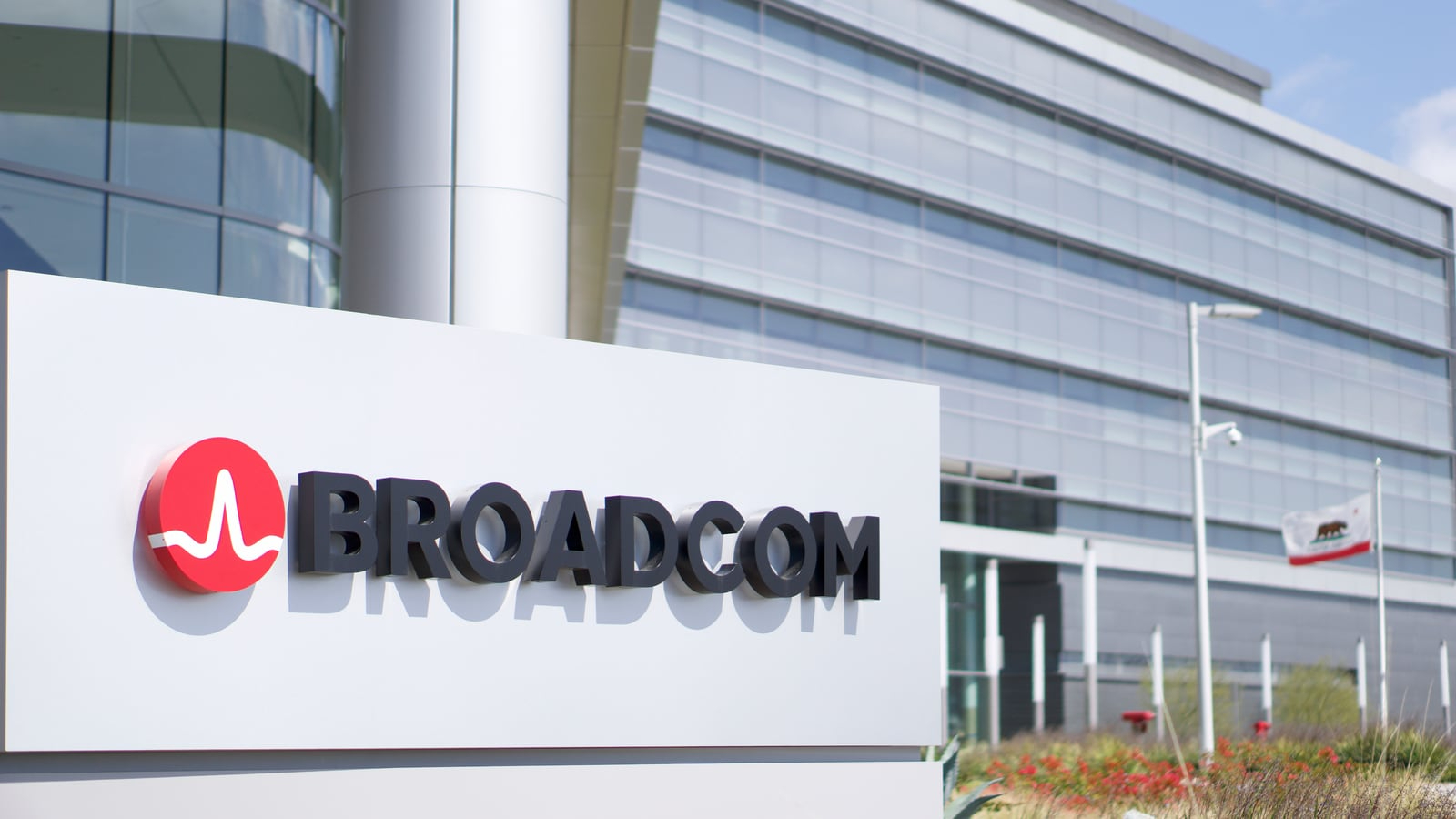
Broadcom Shares Slip as Revenue Forecast Underwhelms AI-Driven Expectations

Broadcom shares declined over 3% in early trading on Friday after its third-quarter revenue forecast failed to meet the high expectations of investors who have been heavily bullish on chip stocks amid the ongoing artificial intelligence surge.

The Palo Alto-based semiconductor giant projected third-quarter revenue of approximately $15.80 billion, slightly above the analysts’ consensus estimate of $15.71 billion, according to LSEG data. However, analysts noted that expectations for Broadcom had already been elevated due to its critical role in AI infrastructure.

“High expectations drove a bit of downside,” said Bernstein analyst Stacy Rasgon, reflecting the sentiment that even marginally positive forecasts may not be enough in the current AI-fueled market climate.

Broadcom provides semiconductors to major clients like Apple and Samsung and supplies advanced networking hardware essential for AI data centers, where massive data transfers are required to power generative AI models. In addition to its networking chips, Broadcom also designs custom AI processors for large cloud providers, offering an alternative to Nvidia’s expensive off-the-shelf chips.

Despite its position in the AI supply chain, Broadcom remains exposed to global trade uncertainties, particularly around U.S. export restrictions aimed at limiting China’s access to advanced technology. “AVGO is ramping two additional customers, but they are still small. So the processor business will grow this year, but at a measured rate,” Morgan Stanley commented.

Rival Marvell Technology, meanwhile, offered a more optimistic outlook last week, forecasting stronger-than-expected second-quarter revenue driven by growing demand for custom chips supporting AI workloads in data centers.

Broadcom briefly crossed the $1 trillion market cap threshold in December, reflecting investor optimism about AI-related chip demand. Its shares have climbed roughly 12% year-to-date. However, its current valuation — with a 12-month forward price-to-earnings ratio of 35.36 — remains significantly higher than Marvell’s 20.63, according to LSEG data.

US-UAE AI Data Campus Deal Faces Delays Amid Security Concerns

A multi-billion dollar agreement to establish one of the world’s largest artificial intelligence data center hubs in the United Arab Emirates (UAE) remains far from finalized, according to sources familiar with the negotiations. Despite its high-profile announcement during President Donald Trump’s recent visit to Abu Dhabi, persistent U.S. security concerns continue to stall progress.

The planned 10-square-mile AI campus is being spearheaded by G42, an Emirati state-linked technology firm central to the UAE’s AI ambitions. Major U.S. technology firms including Nvidia, OpenAI, Cisco, Oracle, and Japan’s SoftBank have signed on to help develop the first phase, called Stargate UAE, which is scheduled to become operational in 2026.

The project’s backers have touted it as a significant step toward steering Gulf nations toward U.S. technology and away from Chinese alternatives. However, five sources involved in the discussions told Reuters that U.S. officials remain deeply concerned about potential technology transfers to China and the UAE’s ability to enforce strict export controls.

Although the UAE pledged during Trump’s visit to align its national security regulations with Washington — including measures to prevent diversion of U.S.-origin technology — American officials remain cautious. These concerns mirror those raised during both the Biden and Trump administrations, particularly over the UAE’s previous deployment of Huawei 5G infrastructure despite U.S. objections.

Sources indicated that the U.S. Commerce Department has yet to determine the security protocols required for exporting advanced Nvidia AI chips critical to the project. The absence of an agreed enforcement mechanism further complicates the deal, leaving it without a definitive timeline for completion.

Among the likely U.S. conditions are prohibitions on Chinese technology at the site and restrictions on employing Chinese nationals, given ongoing fears of AI chip smuggling and intellectual property leaks to adversaries. While the UAE has dismantled some Chinese partnerships—such as G42 removing Chinese hardware and divesting from certain Chinese holdings under Biden administration pressure—Chinese firms like Huawei and Alibaba Cloud still maintain a strong presence in the country.

Adding to U.S. unease is the UAE’s growing role as a hub for companies circumventing Western sanctions on Russia, further complicating Washington’s strategic calculus. Despite these challenges, both Trump administration officials and some in the current administration remain committed to pursuing the deal, though bipartisan skepticism remains strong in Congress.

Once operational, Stargate UAE is expected to house roughly 100,000 advanced Nvidia Grace Blackwell GB300 AI chips within a 1-gigawatt facility — potentially expanding to 5 gigawatts in the future. The Emirati government has so far not commented on the latest delays, and no final agreement has been reached on technology controls or operational oversight.

Nvidia CEO Jensen Huang Backs Trump’s Plan to Ease AI Chip Export Curbs

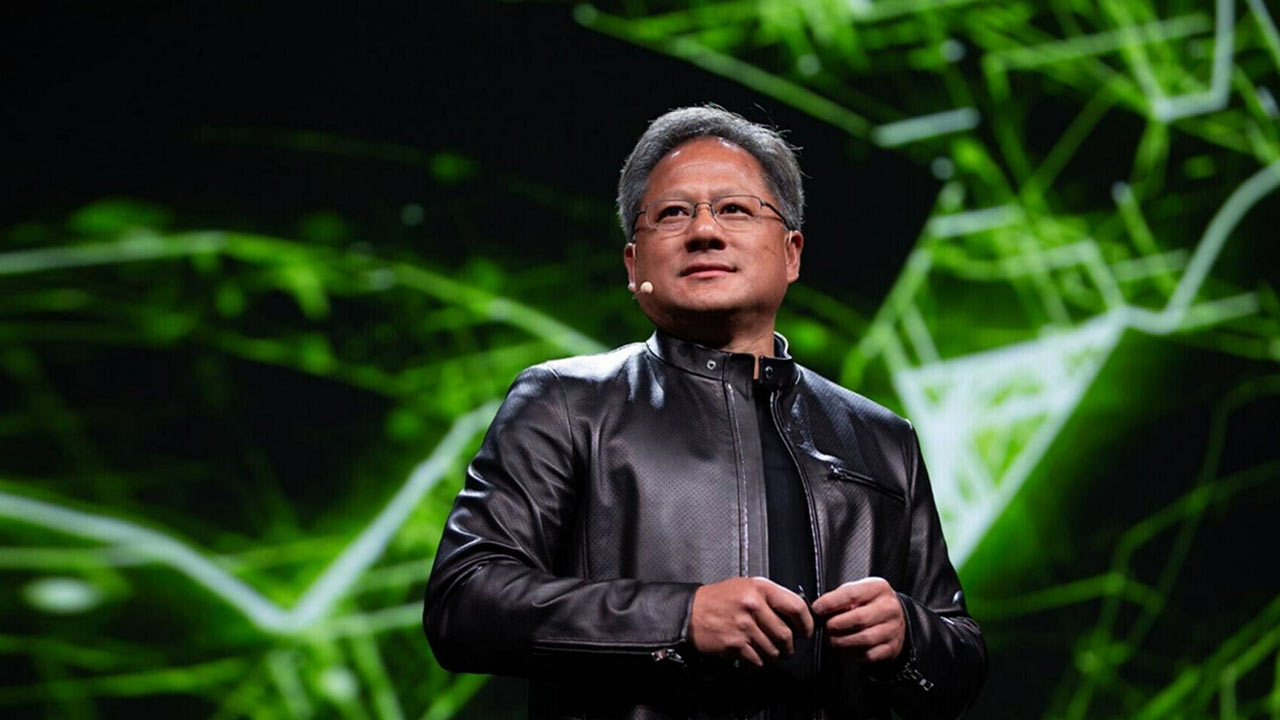
Nvidia CEO Jensen Huang has strongly criticized U.S. export restrictions on AI chips to China, calling them a “failure” that cost American firms billions in lost sales while accelerating China’s self-reliance in semiconductor development. Speaking at the Computex conference in Taipei, Huang welcomed the Trump administration’s decision to reverse some of the Biden-era controls, signaling a shift that could reshape global tech policy.

“The fundamental assumptions that led to the AI diffusion rule have been proven to be fundamentally flawed,” Huang said, referring to the Biden administration’s three-tiered export control regime, which entirely blocked sales of advanced chips to China.

Impact on Nvidia and U.S. Industry

Since the Biden administration’s controls came into effect, Nvidia’s market share in China fell from 95% to 50%, Huang revealed. Nvidia has been hit particularly hard, taking a $5.5 billion charge in April related to its blocked H20 chip, and Huang now estimates total revenue loss at $15 billion.

Despite these setbacks, Huang noted that AI research in China has continued unabated and is now being powered by local technologies, particularly chips from Huawei and other Chinese semiconductor designers. He estimated that China’s AI market will be worth $50 billion in 2025 and called the competition there “intense”.

“They would love for us never to go back to China,” he said.

Trump’s Strategy: A Shift in Direction

Huang praised the Trump administration’s plan to move away from rigid export tiers and toward a global licensing regime based on government-to-government agreements. The proposed shift could provide the U.S. more flexibility and leverage in trade negotiations while also easing pressure on U.S. tech firms.

“President Trump realises it’s exactly the wrong goal,” Huang said, arguing that isolating China from U.S. tech would not stop AI innovation and only encourage the growth of competitive alternatives.

Nvidia’s Workaround

Nvidia is now developing a new version of its Blackwell AI chip that includes slower memory, allowing it to comply with current U.S. restrictions while still serving key markets.

Rising Tensions

China responded sharply to recent U.S. moves that warned firms against using Chinese-made AI chips like Huawei’s Ascend, urging the U.S. to “immediately correct its wrongdoings.” Beijing warned that such measures violate trade agreements and undermine cooperation, threatening “resolute” countermeasures.

Industry Outlook

While the Biden administration had aimed to contain China’s semiconductor and military advancements, the unintended consequence appears to be a rapid buildup of China’s domestic AI and chipmaking capabilities. Huang’s remarks underscore the growing frustration within U.S. tech circles over policies they say are self-damaging.

Meanwhile, Nvidia continues to dominate the global AI infrastructure market, with new product announcements at Computex expected to further boost its $130.5 billion revenue base.