Yazılar

SpaceX Marks Success with the Launch of 131 Satellites on Transporter 12 Mission

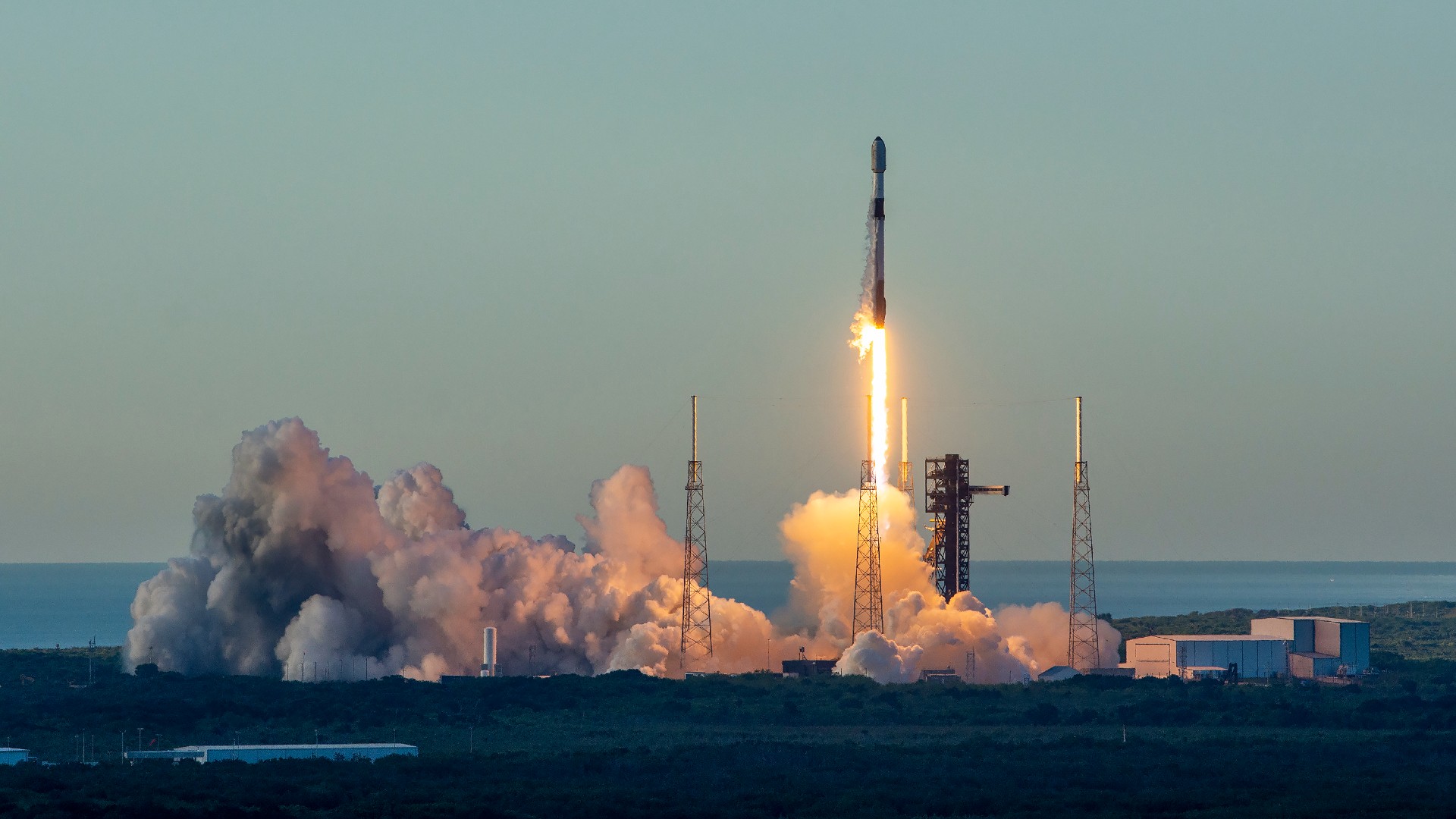
SpaceX successfully launched 131 satellites into orbit during its Transporter 12 mission on January 14, 2025. The launch took place from Vandenberg Space Force Base in California, with the Falcon 9 rocket lifting off at 2:09 p.m. EST. This mission continues to build on SpaceX’s rideshare program, which provides an efficient way to send multiple payloads into space for various customers with a single rocket. The Transporter 12 mission not only highlights SpaceX’s technical capabilities but also its commitment to making space access more affordable and accessible for a wide range of clients, including both commercial and government entities.

One of the notable aspects of this mission was the successful landing of the Falcon 9’s first-stage booster, which touched down at Vandenberg’s Landing Zone 4 approximately 7.5 minutes after launch. This achievement further underscores SpaceX’s progress in reusable rocket technology, which significantly reduces the cost of space launches. Transporter 12 is the 12th mission in SpaceX’s Transporter series, designed to carry multiple payloads, with this flight including satellites from a variety of companies. Notably, 37 of the satellites were from Planet Labs, a company based in San Francisco, specializing in Earth observation.

Among the Planet Labs payloads were 36 SuperDove cubesats and a single Pelican-2 satellite. The SuperDove satellites are equipped for high-resolution imaging of Earth’s surface, while the Pelican-2 satellite boasts advanced AI-powered solutions designed to analyze data in near real-time. This mission not only helped deploy satellites aimed at providing critical Earth observation data but also demonstrated how space technology is evolving with the integration of artificial intelligence to enhance data collection and processing capabilities.

With the successful completion of Transporter 12, SpaceX has now launched over 1,100 satellites across 13 rideshare missions, cementing its position as a leader in small satellite deployment. The satellites deployed during the mission were sent into low Earth orbit over a 90-minute period, beginning 54 minutes after launch. These consistent and efficient rideshare missions, which have served over 130 clients, continue to drive the expansion of the commercial space industry, providing key infrastructure for a wide range of industries, from telecommunications to Earth observation.
SpaceX Set to Launch Two Private Lunar Landers in January 2025

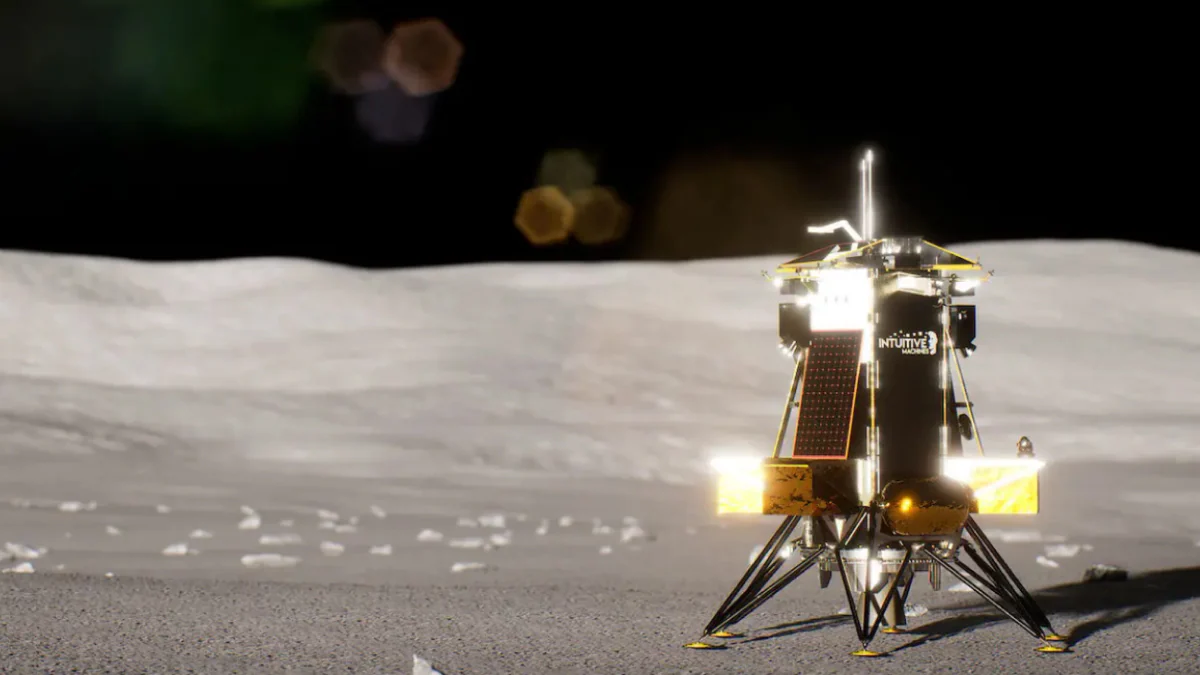
SpaceX is preparing for an exciting mission in January 2025 that will see the launch of two private lunar landers aboard the same Falcon 9 rocket. Firefly Aerospace, an American space company, and ispace, a Japanese aerospace firm, have teamed up for this groundbreaking lunar exploration mission. The rocket, slated for liftoff from Florida’s Space Coast, will carry the two landers on separate trajectories to the Moon. This collaboration between companies from different countries reflects the growing global interest in lunar exploration and the utilization of private companies to advance space research.

The first lander, named ‘Resilience,’ is being deployed by ispace as part of its Mission 2. It is set to land on Mare Frigoris, a region of the Moon known as the “Sea of Cold,” located at 60.5 degrees north of the lunar equator. This mission is particularly significant following the failure of ispace’s previous attempt with the Hakuto-R lander in April 2023, which was halted due to a sensor malfunction. The Resilience lander will carry several experimental payloads, including a water electrolyser, a food-production module, and a microrover named ‘Tenacious.’ Tenacious is expected to collect lunar soil as part of a NASA contract. Resilience will follow a low-energy trajectory to the Moon, with the expected landing occurring four to five months after the January launch.

Firefly Aerospace’s contribution to the mission comes in the form of its ‘Blue Ghost’ lander, which will target Mare Crisium, located 17 degrees north of the lunar equator. The Blue Ghost lander will operate for a full lunar day, which lasts about 14 Earth days, before conducting imaging tasks as the Sun sets over the lunar horizon. This mission is part of NASA’s Commercial Lunar Payload Services (CLPS) program, designed to bring innovative technologies and scientific tools to the Moon. Firefly’s Blue Ghost will deliver a suite of science instruments and tech demonstrations, furthering the reach of private space exploration.

Together, these missions represent a significant leap in lunar exploration, with the combined efforts of Firefly Aerospace and ispace marking a new era of international cooperation and technological advancement. With NASA backing both missions through its CLPS program, the dual launch aims to pave the way for future lunar endeavors, providing valuable data that will be instrumental for humanity’s return to the Moon and beyond.

SpaceX to Deploy 23 Additional Starlink Satellites with Falcon 9 Launch from Florida

SpaceX is set to launch 23 additional Starlink satellites from Cape Canaveral Space Force Station in Florida. The liftoff of the Falcon 9 rocket is scheduled for 4:35 a.m. EST within a 3.5-hour launch window. This mission is part of SpaceX’s ongoing effort to expand its global Starlink network, which provides high-speed internet access to underserved regions. Among the satellites, 12 will feature direct-to-smartphone technology, offering a significant enhancement to the capabilities of the Starlink service.

The launch will be broadcast live by SpaceX on X, with coverage beginning approximately five minutes before the scheduled liftoff. If the launch proceeds as planned, the Falcon 9’s first stage will return to Earth about eight minutes after takeoff. The rocket will land on the droneship Just Read the Instructions, stationed in the Atlantic Ocean. This mission will be the 13th flight and successful landing for the booster, which has already completed six other Starlink missions, further proving the reusability of SpaceX’s rocket technology.

Following liftoff, the Falcon 9’s upper stage will continue its ascent, preparing to deploy the 23 satellites into low Earth orbit. The deployment is expected to take place approximately 65 minutes after launch. These new satellites will contribute to the rapid expansion of the Starlink constellation, which already boasts over 6,600 active satellites. This growing network is essential for SpaceX’s goal of providing fast, reliable internet coverage worldwide, including in remote and rural areas where traditional broadband infrastructure is lacking.

With each launch, SpaceX moves closer to achieving its ambitious goal of a global satellite internet network. The addition of these 23 satellites will enhance Starlink’s coverage and capacity, ensuring that more people around the world can access the internet, regardless of their location. As SpaceX continues to deploy more satellites, the Starlink constellation is poised to play a key role in bridging the digital divide and transforming the way we connect to the internet.