Yazılar

SpaceX Successfully Deploys Optus-X Telecom Satellite from Florida

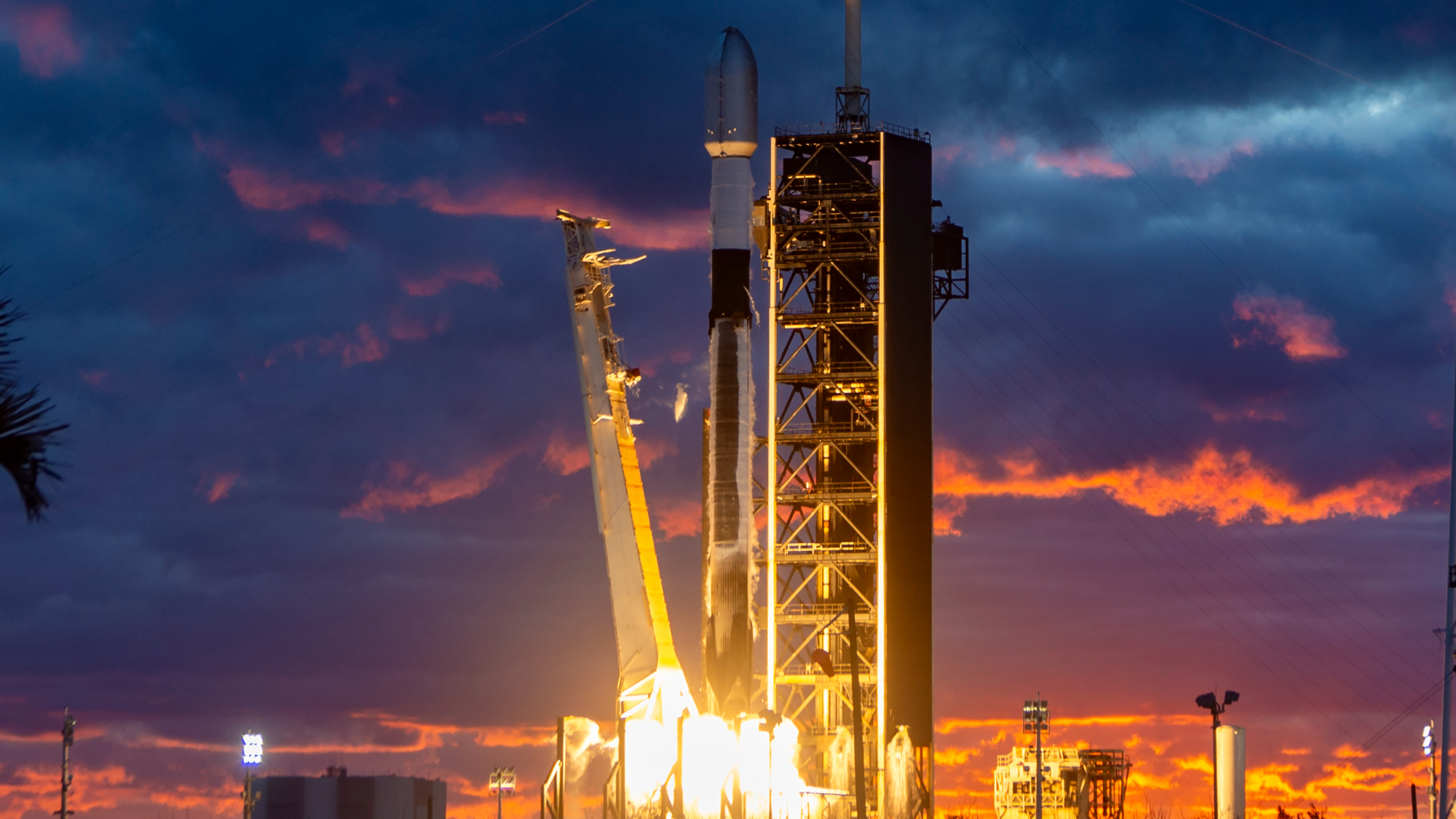
SpaceX Falcon 9 rocket successfully launched the Optus-X telecommunications satellite from NASA’s Kennedy Space Center in Florida. The liftoff, which occurred at 5:28 PM EST, coincided with a stunning sunset, creating a visually spectacular event for onlookers. Commissioned by Australian telecom provider Optus, the satellite aims to enhance communication services once operational in geostationary orbit, a region critical for global telecommunications and broadcasting.

Following the launch, the Falcon 9’s reusable first stage executed a controlled landing on SpaceX’s autonomous droneship, A Shortfall of Gravitas, stationed in the Atlantic Ocean. This achievement marked the 16th successful flight and recovery for this particular booster, underlining SpaceX’s commitment to cost-effective and sustainable spaceflight. Of its 16 missions, nine have been dedicated to deploying Starlink satellites, SpaceX’s own constellation for global internet coverage.

The Optus-X satellite is set to travel to a geostationary orbit approximately 22,236 miles (35,786 kilometers) above the Earth’s equator. The Falcon 9 rocket delivered it to a geosynchronous transfer orbit, an intermediary step from which the satellite will use its onboard propulsion system to reach its final position. Geostationary orbit allows satellites to maintain a fixed position relative to the Earth’s surface, making it ideal for consistent telecommunications coverage.

This launch underscores SpaceX’s role as a leading provider of satellite deployment services for commercial clients around the world. For Optus, the deployment of Optus-X represents a significant step forward in enhancing its network capabilities, enabling improved connectivity for customers in Australia and beyond. With its successful launch and innovative booster recovery, SpaceX continues to push the boundaries of modern rocketry and satellite deployment.
SpaceX Falcon 9 Rocket to Deploy 24 Starlink Satellites from Florida

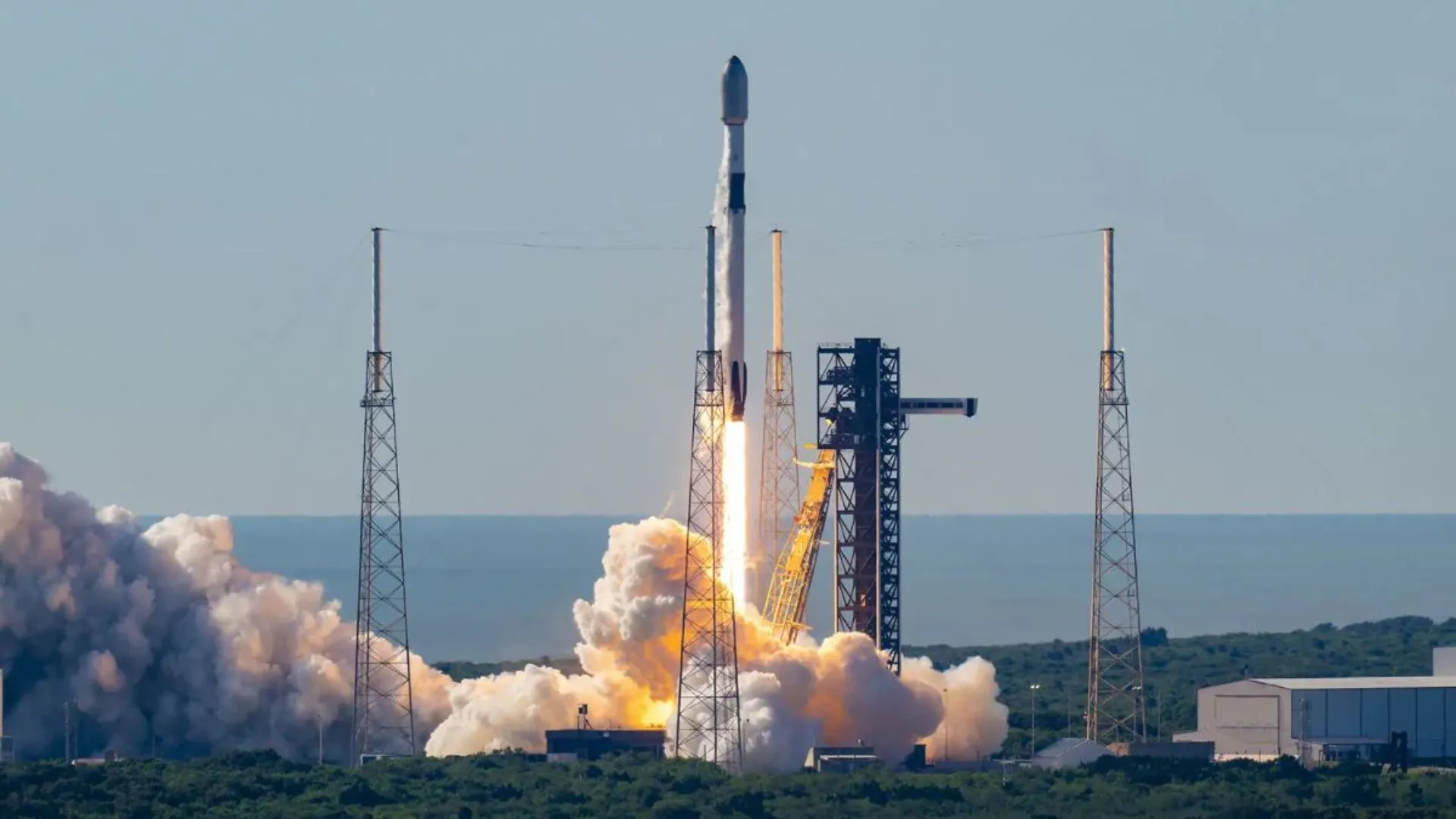
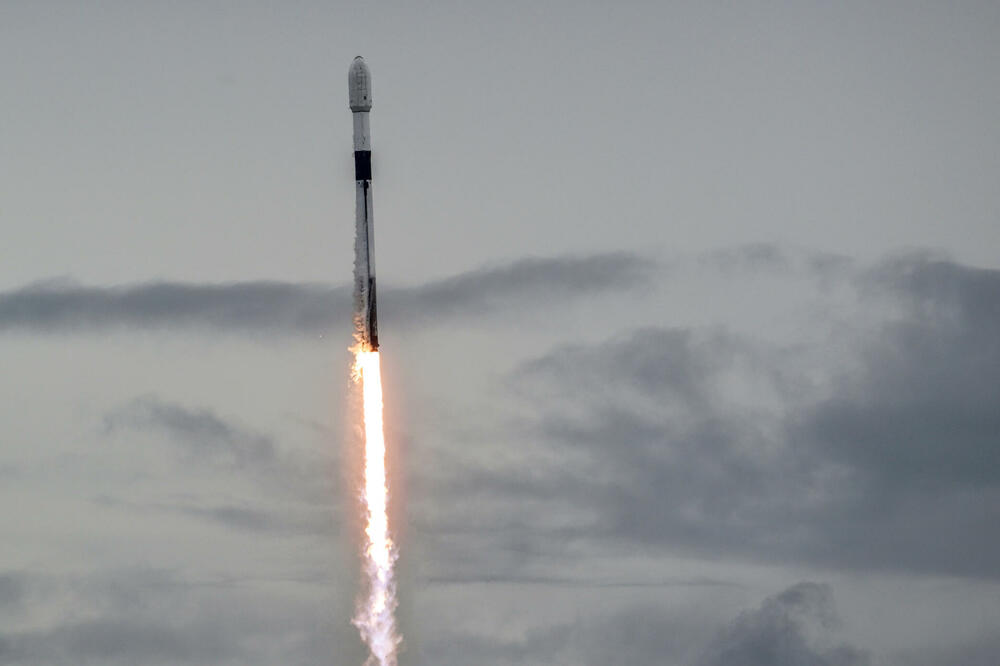
SpaceX is preparing for the launch of 24 additional Starlink satellites from Florida’s Space Coast, scheduled for Monday, November 11, at 4:02 p.m. EST (2102 GMT). Originally planned for Sunday, the launch had to be delayed due to inclement weather, which affected the recovery operation. The mission will take place at Cape Canaveral Space Force Station and will be another significant step in expanding SpaceX’s Starlink constellation, which is designed to offer global internet coverage, especially in underserved areas.

The Falcon 9 rocket will carry the 24 Starlink satellites and lift off within a four-hour window. SpaceX has indicated that the rocket’s first stage will separate and return to Earth approximately eight minutes after launch. It will perform a vertical landing on the drone ship “A Shortfall of Gravitas,” stationed in the Atlantic Ocean. This particular Falcon 9 booster will be making its 12th flight, having previously completed 11 successful missions, including five dedicated to deploying Starlink satellites.

Once the first stage has completed its re-entry and landing sequence, the upper stage will continue to carry the satellites to low Earth orbit (LEO). The deployment of the 24 satellites will occur approximately 65 minutes after launch. These satellites are part of SpaceX’s ongoing commitment to building out its Starlink network, which aims to improve internet access globally, particularly in regions where connectivity has historically been limited or unreliable.

This launch marks another chapter in SpaceX’s ambitious plan to expand the Starlink network, which now has over 6,500 active satellites in orbit. With a significant portion of Falcon 9 missions in 2024 dedicated to Starlink launches, SpaceX is rapidly expanding its global internet service. The network is not only increasing internet access in remote and rural areas but also improving connectivity in regions with limited or no service options, furthering SpaceX’s mission to connect the world

FAA Approves SpaceX Starship 5 Launch for Sunday After Accelerated Review

The Federal Aviation Administration (FAA) granted a license on Saturday for the much-anticipated launch of SpaceX’s Starship 5, scheduled for Sunday. This approval came earlier than expected, following the FAA’s initial indication in September that it wouldn’t make a decision until late November. SpaceX is now targeting a 30-minute launch window opening at 7:00 a.m. CT (1200 GMT) on Sunday.

The FAA confirmed that SpaceX had “met all safety, environmental, and licensing requirements” for this suborbital test flight, marking the fifth test of the Starship/Super Heavy system. The FAA also approved the Starship 6 mission profile, demonstrating their confidence in SpaceX’s overall launch program.

Mission Overview

The Starship spacecraft and its Super Heavy rocket are part of a fully reusable system designed to carry crew and cargo to destinations including Earth orbit, the Moon, and beyond. For this fifth test flight, which will launch from Boca Chica, Texas, SpaceX aims to achieve two key milestones:

  1. Super Heavy Booster: The booster will return to the launch site for a “catch attempt” by the launch tower.
  2. Starship Vehicle: The Starship itself is expected to make a water landing in the Indian Ocean west of Australia.

In an interesting caveat, the FAA noted that if SpaceX opts for an uncontrolled entry of the Starship vehicle, it must notify the FAA in advance. In this scenario, the vehicle’s loss will be considered a planned event and will not require a mishap investigation.

SpaceX and FAA Tensions

The approval comes amid heightened tensions between SpaceX and the FAA, with SpaceX CEO Elon Musk previously expressing frustration over delays in licensing for the Starship 5 flight. Musk has been critical of the FAA’s regulatory processes, even calling for the resignation of FAA Administrator Mike Whitaker and threatening legal action against the agency. Earlier in the year, the FAA proposed a $633,000 fine against SpaceX for other launch-related issues, further complicating the relationship between the two entities.

In a related development, on Friday, the FAA also approved the return to flight of SpaceX’s Falcon 9 vehicle after reviewing SpaceX’s internal investigation into a mishap that occurred on September 28.

This accelerated approval for Starship 5 marks a significant moment for SpaceX as it pushes forward with ambitious plans to establish a sustainable spacefaring system. The success of the upcoming test flight will be pivotal for future missions, including those aiming to reach the Moon and Mars.