Crew-9 Astronauts Arrive at ISS Amid SpaceX Rocket Anomaly
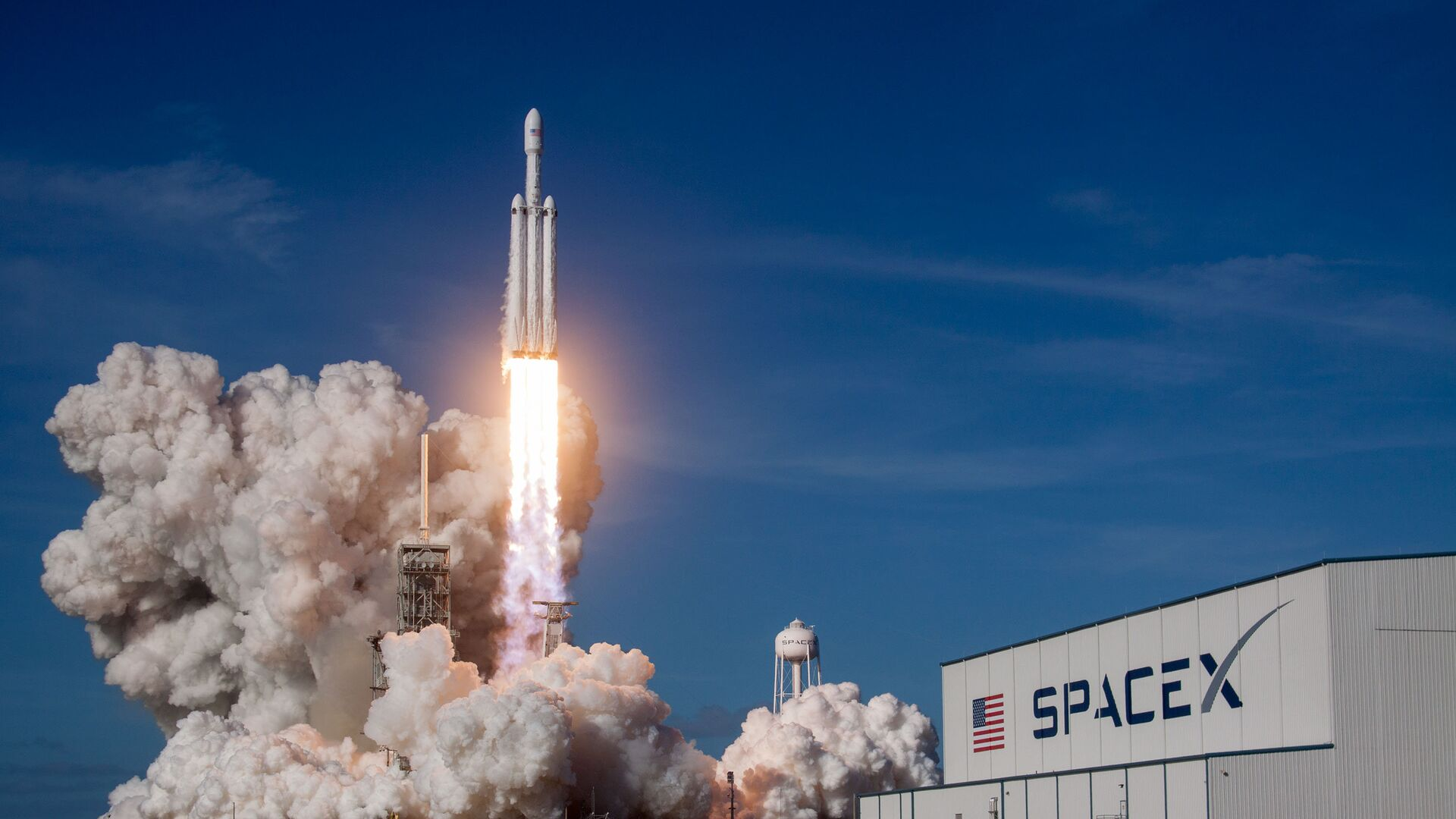
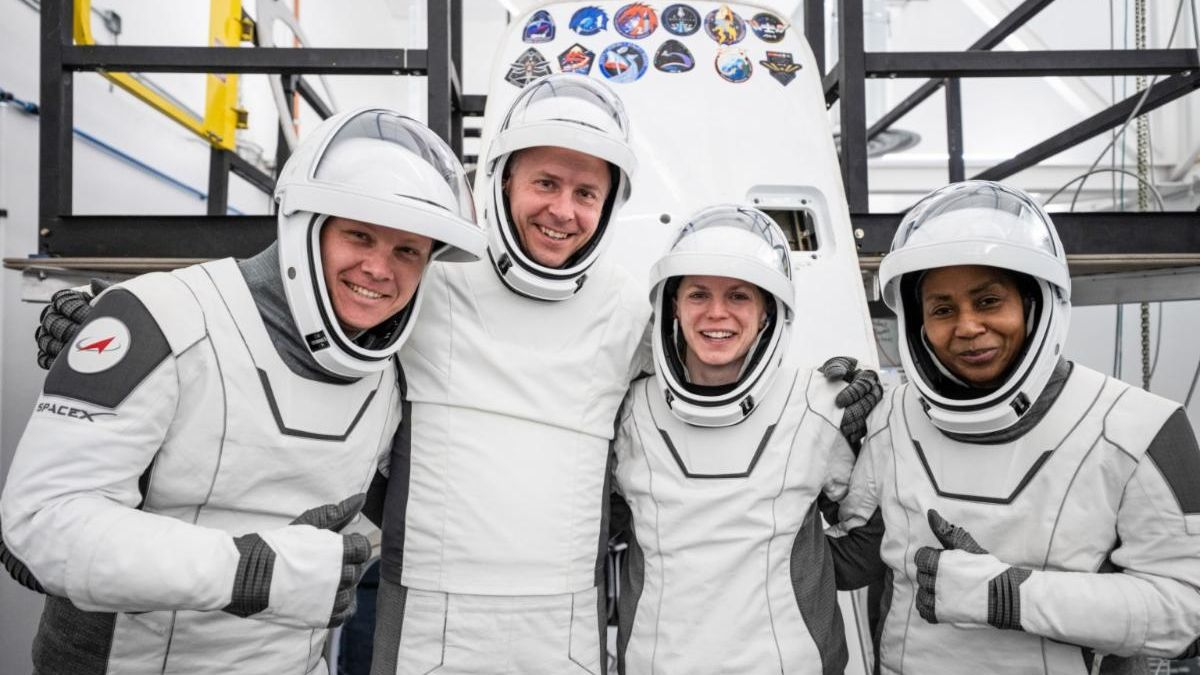
The SpaceX Crew-9 mission successfully docked at the International Space Station (ISS) on Sunday, despite SpaceX reporting an anomaly with the Falcon 9 rocket. NASA astronauts Nick Hague and Russian cosmonaut Aleksandr Gorbunov arrived safely, joining the current ISS crew after launching from Cape Canaveral the previous day. The capsule’s hatch was opened at 7:04 p.m. ET, marking the official arrival of the Crew-9 team.
The mission’s arrival at the ISS came after SpaceX disclosed that the second stage of the Falcon 9 rocket experienced an off-nominal deorbit burn, resulting in its disposal in the ocean, though it missed the targeted area. SpaceX has paused future Falcon 9 flights pending further investigation into the root cause of the issue.
NASA astronauts Suni Williams and Butch Wilmore, who had been on the ISS since June after issues with their Boeing Starliner spacecraft, will return to Earth with Crew-9 next year. Due to technical issues with the Starliner, NASA decided to extend their stay and use SpaceX’s Crew Dragon for their return. The Starliner returned to Earth unmanned in September following complications with helium leaks and thruster malfunctions.
Williams and Wilmore had originally planned for a short stay on the ISS, but NASA adjusted its plans, extending their mission. They will now fulfill duties alongside the Crew-9 team until their scheduled return in early 2024. NASA cited vehicle availability and ISS operational needs as key reasons for keeping the astronauts in space for a full crew rotation.
The full ISS crew now consists of NASA’s Don Pettit, Russian cosmonauts Aleksey Ovchinin, Ivan Vagner, Williams, Wilmore, Hague, and Gorbunov. NASA and Russia’s Roscosmos have continued their collaborative seat-swapping program, which brought Pettit and Gorbunov to the station on spacecraft from each other’s countries.
SpaceX’s next mission, Crew-10, is slated for February 2024 and will involve a newly developed Crew Dragon capsule. Until then, Williams and Wilmore will remain in space, having adapted to the extended mission duration.