Yazılar

Take-Two Projects Weak Q4 Bookings, Confirms Fall Launch for “GTA VI”

Take-Two Interactive Software (TTWO.O) projected lower-than-expected fourth-quarter bookings on Thursday, attributing the decline to reduced in-game spending on mobile titles amid ongoing economic uncertainties and high inflation. The company expects bookings to fall between $1.48 billion and $1.58 billion, slightly under analysts’ average estimate of $1.54 billion, according to LSEG data.

The broader videogame industry has faced headwinds over the past two years, including layoffs, studio closures, and canceled projects, fueled by weak sales and higher borrowing costs. Take-Two’s mobile games like “Empires & Puzzles” performed below company expectations, reflecting a trend of consumers cutting back on mobile game spending.

Despite the short-term challenges, Take-Two’s stock rose over 6% in extended trading after the company confirmed that the highly anticipated “Grand Theft Auto VI” remains on track for a fall 2025 launch. The long-running action-adventure franchise is known for its immersive sandbox gameplay and dynamic characters, with each new installment being a major event in the gaming industry.

Wedbush Securities analyst Michael Pachter noted that confirmation of the launch date eased investor concerns about potential delays. Take-Two also reaffirmed expectations for higher net bookings in fiscal 2026 and 2027, driven by “GTA VI” and other major releases.

Beyond “GTA VI,” Take-Two is set to release several high-profile titles this year, including “Borderlands 4” and “Mafia: The Old Country.”

While the company’s third-quarter bookings of $1.37 billion fell short of the $1.39 billion consensus, Take-Two posted adjusted earnings of 72 cents per share, beating analysts’ expectations of 57 cents. The company also noted that Zynga, which it acquired in 2022, has nearly completed its integration into the Take-Two ecosystem and should contribute more significantly to profitability moving forward.

Ubisoft Delays ‘Assassin’s Creed Shadows’ Release Again

Ubisoft has announced a further delay in the release of Assassin’s Creed Shadows, pushing the launch from February 14 to March 20. This marks the second delay for the highly anticipated game in the Assassin’s Creed series, with the original release date being set for November before being postponed in September.

The additional month will allow the development team more time to incorporate player feedback from the previous months, aiming to refine the game further before its official release. Ubisoft has highlighted that the feedback from the Assassin’s Creed community has been increasingly positive, and the extended time will help to ensure the best possible launch conditions.

This delay adds to Ubisoft’s recent struggles, which include a disappointing reception for Star Wars Outlaws, released in August 2024, that did not meet sales expectations. As a result, Ubisoft’s shares have halved in value over the past year.

Additionally, Ubisoft revealed plans for significant restructuring after a strategic review, including appointing advisers to explore options for improving stakeholder value. The company aims to reduce its fixed cost base by more than €200 million by FY2025-26 and take a more selective approach to investments.

For the third quarter, Ubisoft forecasts net bookings around €300 million, a significant drop from earlier projections due to weak holiday sales and the discontinuation of XDefiant.


Xiaomi Boosts EV Delivery Targets Amid Surging Demand

Increased Goals Reflect Growing Market Success

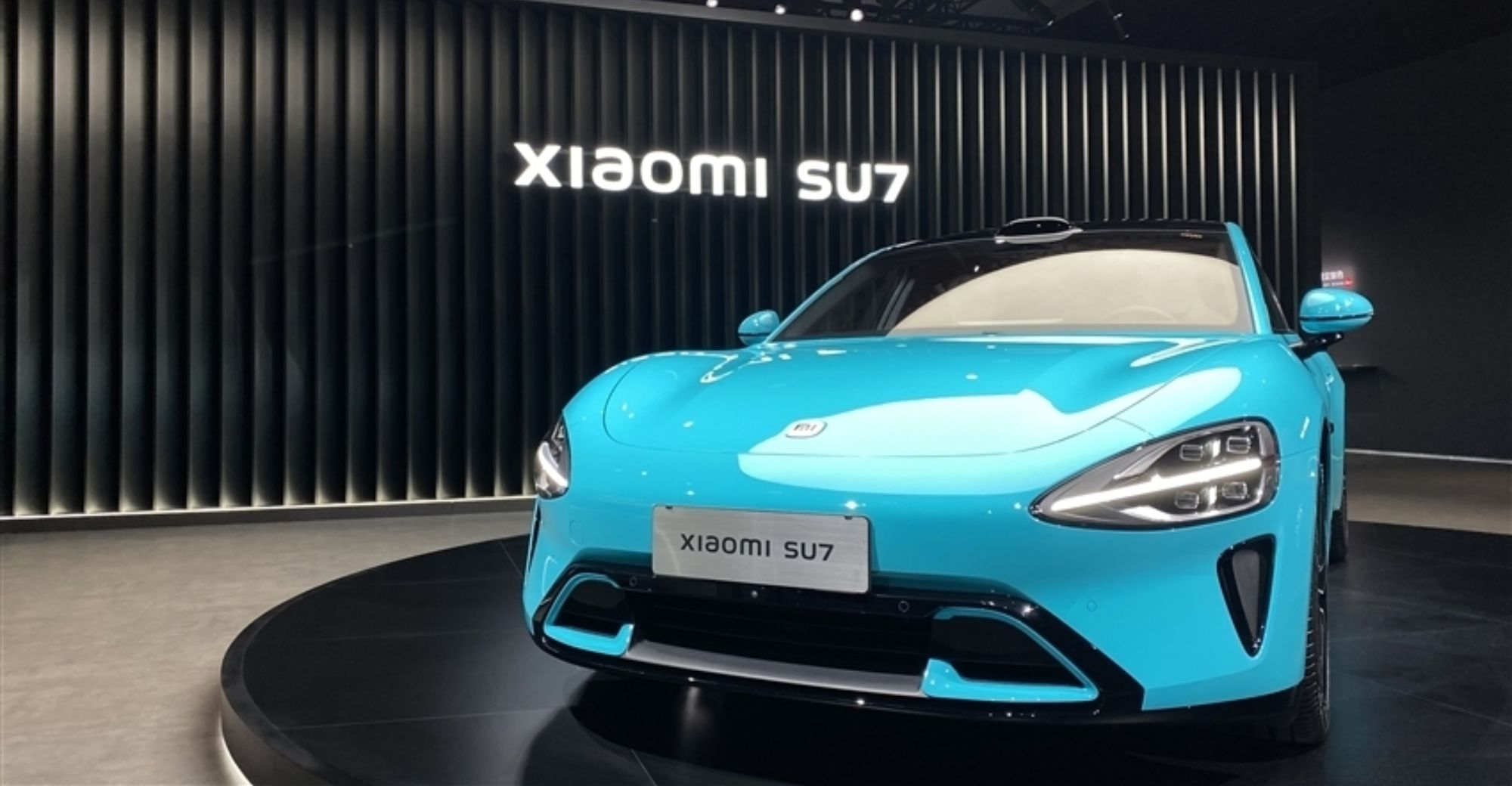
Xiaomi Corp has raised its 2023 electric vehicle (EV) delivery target for the third time, now aiming to deliver 130,000 units of its debut SU7 sedan. This is a significant increase from its initial goal of 76,000 when the car launched in March.

The SU7, inspired by Porsche designs, has captivated buyers with a starting price below $30,000, undercutting Tesla’s Model 3 in China by $4,000. Xiaomi’s success reflects broader trends in China’s EV market, where electric and plug-in hybrid vehicles accounted for over half of October’s auto sales, a 56.7% year-on-year increase.


Scaling Production to Meet Demand

Xiaomi has ramped up production since June, doubling shifts at its factories and introducing the premium SU7 Ultra, priced above $110,000. The company’s manufacturing facilities now have a capacity of 20,000 units per month, with room for further growth.

President Lu Weibing highlighted Xiaomi’s continued investment in both hardware and software to support new models and autonomous driving technology.


Financial Performance and Market Position

In the third quarter, Xiaomi reported revenue of 92.5 billion yuan ($12.77 billion), surpassing analysts’ expectations of 91.1 billion yuan. However, its EV unit remains unprofitable, recording a loss of 1.5 billion yuan for the quarter, despite a 17.1% gross profit margin.

Xiaomi’s smartphone division remains a cornerstone of its business, maintaining its rank as the world’s third-largest smartphone maker with a 14% market share and 42.8 million units shipped in Q3.

The company’s adjusted net profit rose 4.4% to 6.25 billion yuan, exceeding market estimates of 5.92 billion yuan.


Future Projections and Market Expansion

Analysts at Huatai Securities forecast Xiaomi will deliver 400,000 EVs in 2025, with EV sales projected to contribute 20% of revenue, compared to 8% this year. To support growth, Xiaomi plans to expand its retail footprint in mainland China from 13,000 to 15,000 stores by year-end and to 20,000 by 2024.

The company’s strategic push into EVs demonstrates its ambition to diversify revenue streams and solidify its position in the competitive Chinese market.