Yazılar

Amundi Warns U.S. Stablecoin Policy Risks Destabilizing Global Payment Systems

Europe’s largest asset manager, Amundi, has expressed concerns over the potential destabilizing effects of the U.S. GENIUS Act, which aims to establish a regulatory framework for U.S. dollar-backed stablecoins. The policy could accelerate the adoption of dollar-pegged cryptocurrencies worldwide, triggering significant shifts in money flows and potentially undermining the global payment system.

The GENIUS Act, passed by the U.S. Senate and expected to be approved soon by the House and President Donald Trump, mandates stablecoins be pegged to the U.S. dollar. JPMorgan estimates that stablecoins in circulation could double to $500 billion in the coming years, with some forecasts reaching $2 trillion. The increase in stablecoin use would drive demand for U.S. Treasury bonds, providing fiscal benefits for the U.S. but raising concerns about weakening the dollar’s international position.

Vincent Mortier, Amundi’s Chief Investment Officer, highlighted that stablecoins might send a message that the dollar is losing strength, especially as over 80% of stablecoin transactions occur outside the U.S. This raises fears about “dollarization,” where foreign economies increasingly depend on the dollar without direct banking ties to the U.S., which could threaten their monetary sovereignty.

European officials have also voiced alarm. Italy’s Finance Minister Giancarlo Giorgetti labeled U.S. stablecoin policies as a greater threat to Europe’s financial stability than trade tensions. Similarly, the Bank for International Settlements warned about stablecoins’ risks to monetary sovereignty, transparency, and the potential for capital flight from emerging markets.

Mortier noted that stablecoins could act like “quasi-banks” as users treat them like deposits redeemable on demand. Their growing use as direct payment methods could further disrupt traditional banking and payment infrastructures, increasing risks to global financial stability.

Though Amundi currently holds no crypto assets, Mortier remains cautious about stablecoins, emphasizing their possible negative consequences on the global payment ecosystem.

Stablecoins’ Mainstream Rise Could Shake U.S. Treasury Bill Market Amid Regulatory Push

As stablecoins move closer to mainstream acceptance, segments of the U.S. Treasury market, particularly short-term securities like Treasury bills (T-bills), could face increased volatility due to their growing ties with the cryptocurrency world.

Congress is on the verge of passing legislation that would establish a clear regulatory framework for stablecoins—dollar-pegged cryptocurrencies widely used by traders to shift funds between tokens. Proponents say the new rules will legitimize the sector and encourage more stablecoin activity, which could boost demand for short-term U.S. government debt, considered cash equivalents by many investors.

However, some experts warn that this growing crypto footprint could amplify instability in the T-bill market. Cristiano Ventricelli, senior analyst at Moody’s, cautioned that sudden loss of confidence or regulatory pressure could trigger massive liquidations by stablecoin issuers, potentially depressing Treasury prices and disrupting fixed-income markets. A problem in stablecoins could spill over into broader financial markets, affecting institutions relying on stablecoin liquidity.

If enacted, the legislation would require stablecoins to be backed by liquid assets like U.S. dollars and short-term Treasury bills, along with monthly transparency disclosures on reserve composition. This would likely compel stablecoin issuers such as Tether and Circle to buy more Treasury bills to back their tokens. Currently, these two companies hold approximately $166 billion in U.S. Treasuries.

The stablecoin market, currently around $247 billion, could balloon to $2 trillion by 2028 if the legislation passes, according to Standard Chartered. The Treasury market itself has about $29 trillion in securities outstanding, with $6 trillion in T-bills.

JP Morgan analysts estimate stablecoin issuers could become the third-largest buyers of Treasury bills in the near future, raising concerns about tighter links between crypto and traditional finance. The Treasury Borrowing Advisory Committee warned that growth in stablecoins might reduce banks’ demand for Treasuries and impact credit growth.

Experts also caution about potential liquidity risks. If stablecoin issuers are forced to sell Treasuries rapidly, it could cause price drops and credit crunches in money markets, which invest heavily in short-term debt.

While past stablecoin issues—like Tether’s brief loss of its dollar peg in 2022 or Circle’s 2023 peg break tied to Silicon Valley Bank’s failure—did not cause systemic market disruptions, the scale of risk could rise with wider adoption driven by federal regulation.

On the positive side, some see the legislation as a market stimulant. Matt Hougan of Bitwise Asset Management argues that codifying stablecoins will expand the global dollar footprint, strengthening the dollar’s role as the world’s reserve currency. Roger Hallam of Vanguard suggests increased demand for short-term Treasuries could encourage the U.S. Treasury to issue more T-bills instead of long-term debt, easing market tensions and balancing fiscal funding needs.

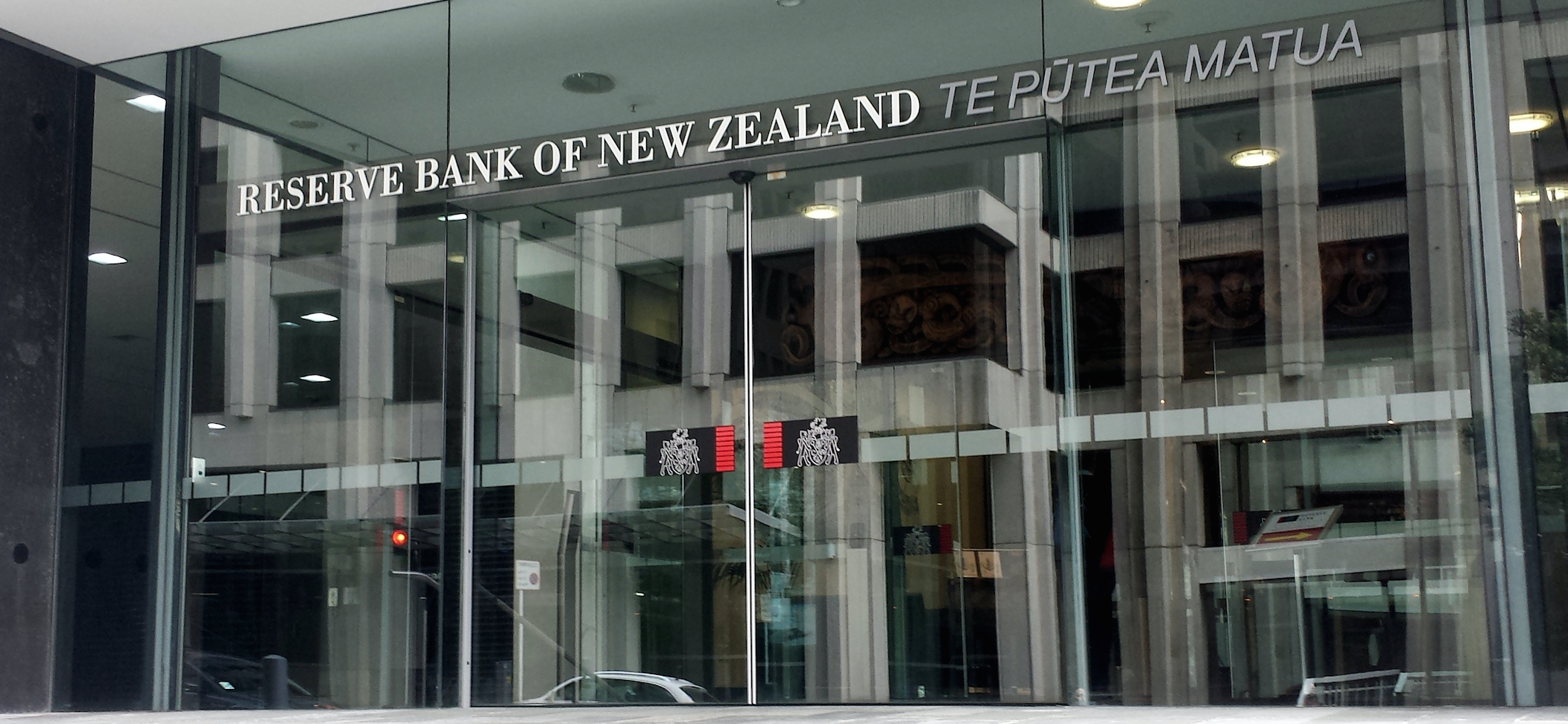
Reserve Bank of New Zealand Warns of Economic Challenges Amid Rising Unemployment

On Tuesday, the Reserve Bank of New Zealand (RBNZ) delivered a stark economic outlook, highlighting rising unemployment and financial constraints that have prompted businesses to defer investment plans. In its semi-annual Financial Stability Report, the RBNZ noted that domestic economic struggles are intensifying, with global economic stagnation and elevated interest rates further dampening demand.

The report indicated that New Zealand’s economy faced significant headwinds, with weak business profitability and subdued demand exacerbated by lingering cost pressures. This challenging trade environment, coupled with slower global growth, has complicated financial stability for many firms. “Rising unemployment is starting to create acute financial difficulties for some households,” the RBNZ report stated, pointing to increasing hardship as the labor market softens.

Over recent years, New Zealand’s economic growth has fluctuated, occasionally dipping into negative territory. The RBNZ anticipates a contraction in the third quarter of 2024, following cash rate hikes aimed at curbing inflation. While inflation has shown signs of easing, rising unemployment and low consumer confidence continue to be areas of concern.

Since August, the RBNZ has reduced the official cash rate by 75 basis points, a move intended to stimulate demand, but the effects of these rate cuts have yet to fully materialize in the broader economy. Governor Adrian Orr expressed concern over this lag effect during a press briefing, stating, “You don’t want surprises or shocks to the downside during that period.”

Despite the economic difficulties, the central bank assured that New Zealand’s financial system remains stable. The RBNZ noted that although banks are preparing for a slight uptick in non-performing loans, this level remains below those observed in past recessions. Deputy Governor Christian Hawkesby emphasized that New Zealand banks are well-positioned to support both households and businesses through these economic challenges.