Yazılar

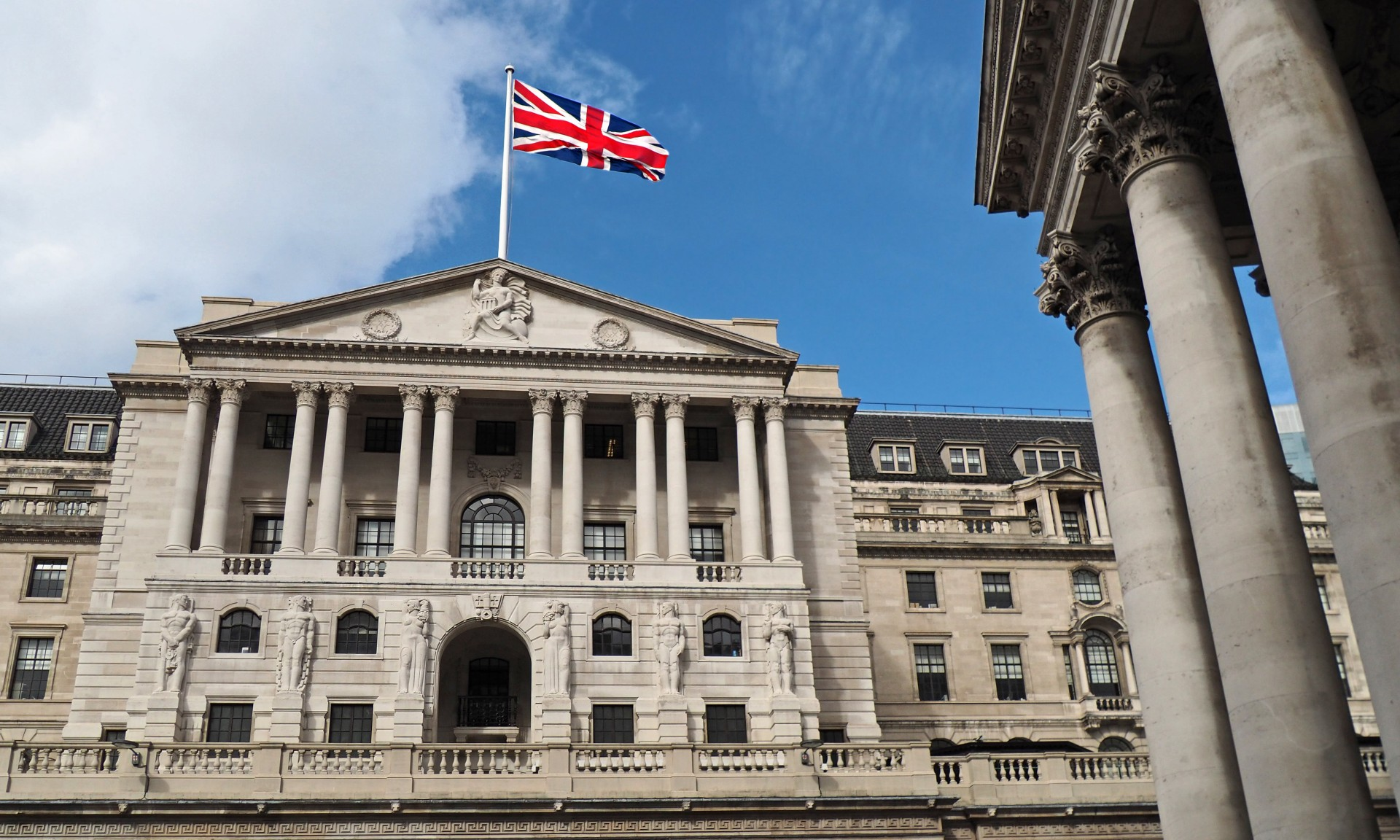
Bank of England to lift stablecoin limits only once risks to financial stability subside

The Bank of England (BoE) will maintain its proposed limits on stablecoin holdings until it is certain that the digital assets pose no risk to the broader financial system, Deputy Governor Sarah Breeden said on Wednesday.

In a speech, Breeden emphasized that the central bank’s cautious approach stems from concerns that large and sudden outflows of bank deposits into stablecoins could destabilize traditional lending. “Such outflows could lead to a precipitous drop in credit for businesses and households,” she warned, if banks are unable to replace lost deposits quickly through wholesale funding.

The BoE has previously suggested caps of between £10,000 and £20,000 ($12,800–$25,600) for individuals, with higher thresholds for businesses. The final levels will be detailed in a consultation paper next month, which will outline the UK’s future stablecoin regulatory framework.

Breeden said the caps would be lifted “once we see that the transition no longer threatens the provision of finance to the real economy.” Large corporations, however, may be exempt so they can hold higher amounts if necessary.

Under the UK’s proposed framework, the BoE would oversee systemic sterling-backed stablecoins — those expected to play a major role in payments — while the Financial Conduct Authority (FCA) would regulate smaller issuers. The BoE is also working with the Treasury on a resolution regime to ensure continuity of services if a stablecoin issuer fails.

Breeden rejected criticism that the UK is lagging in crypto regulation, noting that Britain aims to finalise its framework next year, aligning its timeline with the United States.

IMF economist warns AI boom may echo dot-com bust but unlikely to trigger financial crisis

The U.S. artificial intelligence investment boom could end in a dot-com-style market correction, but it is unlikely to spark a systemic financial crisis, according to Pierre-Olivier Gourinchas, chief economist at the International Monetary Fund (IMF).

Speaking at the start of the IMF and World Bank annual meetings in Washington, Gourinchas told Reuters that the AI frenzy mirrors the late 1990s internet bubble, with surging stock valuations and paper wealth driving consumption and inflation. “This is not financed by debt,” he said, adding that a potential crash would hurt shareholders and equity holders, but not destabilize the broader banking system.

The IMF said investment in AI chips, data centers, and computing infrastructure has fueled optimism about future productivity gains, though these benefits have yet to materialize. Unlike the dot-com era — when technology investment jumped 1.2% of U.S. GDP between 1995 and 2000 — AI-related spending has so far increased by only 0.4% of GDP since 2022.

While the IMF does not expect a direct threat to financial stability, Gourinchas cautioned that a correction could trigger a broader repricing of assets and stress on non-bank financial institutions.

The IMF’s latest World Economic Outlook noted that AI investment, alongside lower-than-expected tariffs and easier financial conditions, has helped sustain global growth. However, Gourinchas warned that AI-driven spending and consumption could add to inflation pressures without corresponding productivity gains.

The IMF now projects U.S. inflation to ease more slowly, reaching 2.7% in 2025 and 2.4% in 2026, above the Federal Reserve’s 2% target. He added that the lingering effects of tariffs and reduced immigration are constraining supply and keeping prices elevated.

Global regulators step up oversight of AI risks in finance

Global financial watchdogs are intensifying their scrutiny of artificial intelligence (AI) in the banking sector, warning that heavy reliance on shared AI systems could threaten financial stability. As the use of AI accelerates across global markets, regulators are moving to monitor systemic risks and strengthen their own technological capabilities.

In a report published Friday, the Financial Stability Board (FSB) — which advises G20 governments — said widespread adoption of the same AI models and infrastructure could create “herd-like behaviour” across financial institutions. “This heavy reliance can create vulnerabilities if there are few alternatives available,” the FSB cautioned, warning that such concentration could amplify shocks during market stress.

A separate study by the Bank for International Settlements (BIS) urged regulators and central banks to “raise their game” in monitoring and using AI. The BIS said authorities must not only understand AI’s potential to reshape markets but also adopt the technology themselves to improve supervision and data analysis.

The report comes amid an international race — led by the United States and China — to dominate next-generation AI tools and applications, including those that underpin financial services.

While the FSB said there is currently “little empirical evidence” that AI-driven correlations have directly impacted market outcomes, it warned that AI could increase exposure to cyberattacks and algorithmic fraud.

Some jurisdictions have already acted. The European Union’s Digital Operational Resilience Act (DORA), which took effect in January, establishes new rules for digital and AI-based systems used by financial institutions.

The emerging consensus among regulators is clear: AI promises efficiency and insight, but without vigilant oversight, it could become a new source of systemic risk in global finance.