Yazılar

Ocean Warming Has Quadrupled in 40 Years, Intensifying Climate Crisis

Ocean Warming Accelerates, Intensifying Climate Change

The rate of ocean warming has surged dramatically over the past four decades, with recent data indicating a quadrupling of heat absorption. As the primary heat reservoir for the planet, the oceans play a critical role in regulating global temperatures. Scientists warn that continued reliance on fossil fuels will further accelerate this trend, leading to even more rapid warming in the coming decades. The consequences extend far beyond rising sea levels, affecting extreme weather patterns, marine ecosystems, and global food security.

Rapid Increase in Ocean Temperatures

A study published in Environmental Research Letters highlights the alarming rise in ocean surface temperatures. Researchers found that while the rate of warming was approximately 0.06 degrees Celsius per decade in the 1980s, it has now surged to 0.27 degrees Celsius per decade. This rapid increase suggests that the pace of climate change is accelerating, with projections indicating an even steeper rise over the next 20 years if greenhouse gas emissions remain unchecked.

Disrupting Earth’s Energy Balance

Scientists attribute this rapid ocean warming to Earth’s growing energy imbalance, where more heat is absorbed than released. The buildup of greenhouse gases like carbon dioxide and methane traps excess energy in the atmosphere, much of which is absorbed by the oceans. According to Christopher Merchant, Professor of Ocean and Earth Observation at the University of Reading, this trend indicates that climate change is advancing faster than previously anticipated. If this trajectory continues, the impacts on global climate systems will become increasingly severe.

Urgent Need for Climate Action

The acceleration of ocean warming underscores the urgency of reducing greenhouse gas emissions and adopting sustainable energy solutions. Warmer oceans contribute to more intense hurricanes, shifts in marine biodiversity, and disruptions in global fisheries. Scientists emphasize that immediate action is needed to mitigate these effects, including policy changes, international cooperation, and advancements in renewable energy. Without intervention, the consequences of unchecked ocean warming will have profound and lasting impacts on both the environment and human societies.

AI Data Centers to Drive Renewable Energy Demand Despite Political Shifts, Says MUFG Americas CEO

The transition to renewable energy in the United States is poised to continue, even under the previous administration of Donald Trump, according to Kevin Cronin, CEO of MUFG Americas, the U.S. subsidiary of Mitsubishi UFJ Financial Group. Despite Trump’s anti-renewables stance, Cronin expressed confidence that renewable energy projects remain viable and necessary due to long-term energy demands and ongoing projects.

“The new administration [referring to Trump] may lean towards fossil fuels, but that doesn’t mean renewables will disappear,” Cronin said in an interview with Reuters. He explained that infrastructure and energy projects often span several years, unaffected by short-term political changes. “We try not to time our strategy around things beyond our control,” he added.

While recent U.S. policies like President Joe Biden’s Inflation Reduction Act have accelerated infrastructure and renewable energy initiatives, Cronin emphasized that a significant growth driver is the soaring energy demand from data centers powered by artificial intelligence. AI’s increasing adoption requires reliable energy sources, with data center capacity projected to double by 2030. “We’re at the peak of the hype cycle of AI, but it’s real and it’s big,” Cronin noted.

Masatoshi Komoriya, chairman of MUFG’s Americas subsidiary, highlighted the bank’s flexible approach to energy financing, balancing both renewable and fossil fuel projects to meet varying regulatory requirements across U.S. states. This strategy allows MUFG to adapt to local energy rules while supporting the growing demand from AI-driven data centers.

Renewable Energy and MUFG’s Leadership

MUFG’s commitment to renewable energy has solidified its position as a leader in project finance, ranking first in loan volume for 14 consecutive years in America. The bank has been instrumental in financing large-scale renewable projects, even as it shifts its focus solely to wholesale banking and markets following the 2022 sale of its U.S. retail banking arm. The U.S. division accounted for nearly 30% of the group’s total profits in the fiscal year ending March 2024.

Additionally, the bank has enhanced its mid-market capabilities in sectors like technology and increased personnel to meet rising demand. MUFG recently hired around 30 former Silicon Valley Bank employees after the institution’s collapse in 2023, further strengthening its position in tech-driven industries.

“We have a more balanced platform than we did 10 years ago,” Cronin stated, reflecting on the bank’s evolution in the competitive U.S. market.

Balancing Renewables and Fossil Fuels

MUFG’s energy strategy underscores its commitment to supporting both traditional and renewable energy projects. With data centers requiring reliable and substantial power supplies, the bank’s flexible approach enables it to finance projects that align with regional energy policies. This adaptability is crucial as states implement varying regulations for energy financing.

Cronin and Komoriya remain optimistic about the long-term outlook for renewable energy, noting that it remains a cornerstone of MUFG’s strategy despite shifting political landscapes. The integration of renewables into energy solutions for AI-powered data centers represents a key growth area for the bank.


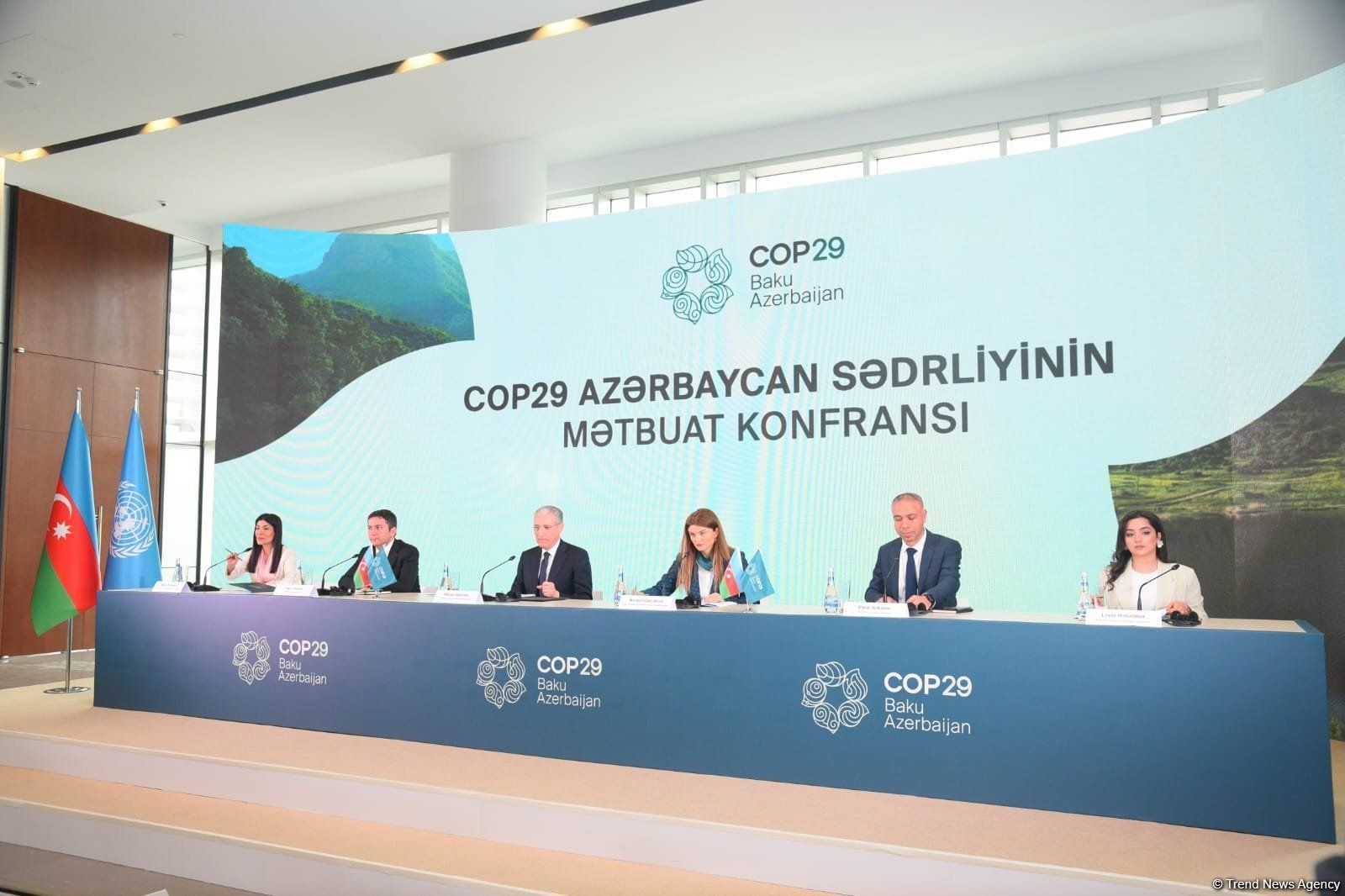
World Strikes Climate Deal on Financial Aid for Developing Nations After Intense COP29 Negotiations

At the COP29 summit in Baku, Azerbaijan, world leaders reached an agreement on climate finance, with wealthy nations pledging to provide $300 billion annually by 2035 to assist poorer countries in addressing the severe impacts of climate change. However, the deal came after over two weeks of contentious negotiations and divisions that nearly caused the summit to collapse.

The $300 billion pledge, while a significant commitment, was met with sharp criticism from developing countries, who argued that it fell drastically short of the $1.3 trillion economists say is necessary to help these nations adapt to climate change. India’s representative, Chandni Raina, condemned the amount as “abysmally poor,” labeling the agreement an “optical illusion” that could not tackle the scale of the climate crisis. Similarly, Tina Stege, climate envoy for the Marshall Islands, called out the deal for failing to provide sufficient funding to the most vulnerable nations, blaming fossil fuel interests for blocking progress.

The agreement stipulates that wealthy countries, including the US and European nations, will contribute to the $300 billion, a mix of public and private financing. This pledge builds on a previous commitment made in 2009 for $100 billion annually, which had only been met in 2022. While developing nations had requested a larger sum—$500 billion annually—the proposal was rejected by richer nations, citing current economic constraints.

Another contentious point was the lack of binding contributions from emerging economies like China and Saudi Arabia. Though the deal encourages voluntary contributions from these nations, it imposes no obligations, drawing criticism for failing to adequately address their role in the climate crisis.

The summit was held in a politically charged atmosphere, dominated by fossil fuel interests. Over 1,700 fossil fuel lobbyists attended, surpassing the number of country delegates. Saudi Arabia, a major oil exporter, exerted significant influence, rejecting any reference to fossil fuels in the final agreement, further fueling dissatisfaction.

Despite these challenges, the deal was finalized at 2:40 a.m. local time on Sunday, nearly 30 hours past the original deadline, with more than 30 countries walking out at various points during the negotiations. Mukhtar Babayev, president of COP29, expressed pride in the outcome, stating that skeptics were wrong to doubt the summit’s success.

While some leaders, including Simon Stiell of the UN Framework Convention on Climate Change, hailed the deal as a crucial step forward, many activists and representatives of developing nations remain dissatisfied, arguing that the deal offers little more than a Band-Aid for the deeper financial needs of climate-vulnerable countries.