Yazılar

Developing Nations Criticize $300 Billion COP29 Climate Finance Deal as Inadequate

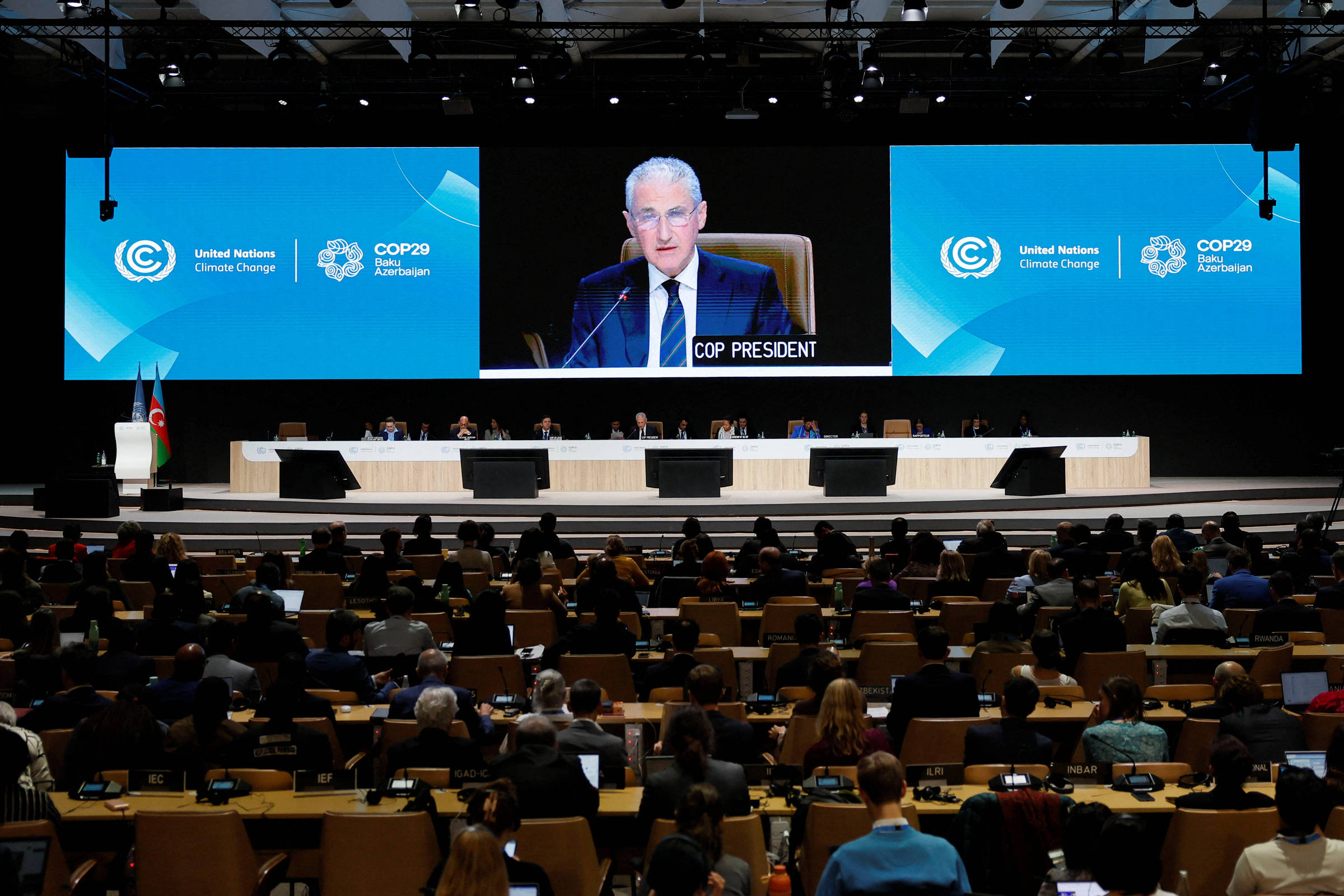
The COP29 climate summit in Baku concluded with a $300 billion annual global finance commitment to help developing nations combat the effects of climate change. However, many recipient countries criticized the deal, calling it insufficient to address the escalating climate crisis.

Negotiations, which extended past the scheduled Friday deadline, ended with mixed reactions. Some delegates welcomed the agreement as a critical step forward, while others, particularly from developing nations, voiced their dissatisfaction. Indian delegate Chandni Raina described the document as “an optical illusion” that failed to address the magnitude of the climate challenges.

The deal, set to take effect until 2035, aims to increase the financial support pledged by wealthier nations, building on the unmet $100 billion annual goal originally set for 2020. While this agreement marks progress, many representatives, including Tina Stege of the Marshall Islands, argued that the funding remains far below what vulnerable countries urgently need.

Key Points of the Agreement

  1. Financial Commitments:
    • $300 billion annually in climate finance for developing nations by 2035.
    • A broader target to mobilize $1.3 trillion per year from public and private sources.
  2. Climate Market Rules:
    • The deal introduced mechanisms for a global carbon credit market aimed at generating additional funding through projects like reforestation and clean energy deployment.
  3. Fossil Fuel Transition:
    • No concrete plans were outlined to transition away from fossil fuels or to triple renewable energy capacity, goals previously set at COP28. This omission led to criticism from several delegations, with some blaming obstructionist tactics by nations such as Saudi Arabia.
  4. Funding Responsibility:
    • Contributions are required from about two dozen industrialized countries, including the U.S., European nations, and Canada.
    • The agreement encourages but does not mandate contributions from emerging economies like China and oil-rich Gulf states, a point of contention for European governments.

Broader Context

The summit highlighted deep divides between developed and developing nations. Wealthy countries, grappling with economic and geopolitical pressures, were reluctant to increase financial commitments, while developing nations emphasized the urgent need for greater support to combat climate disasters.

The $300 billion pledge aims to advance the Paris Agreement’s goal of limiting global temperature rise to 1.5°C above pre-industrial levels. However, the 2024 U.N. Emissions Gap report shows that the world is on track for a temperature increase of up to 3.1°C by the end of the century, underscoring the urgency for bolder action.

Reactions

  • United Nations Climate Chief Simon Stiell: Hailed the agreement as “an insurance policy for humanity” but stressed the importance of timely and full financial contributions.
  • U.S. President Joe Biden: Praised the deal as a significant step forward but emphasized the need for continued efforts to meet global climate goals.
  • Donald Trump’s Influence: Skepticism about U.S. commitment resurfaced following Donald Trump’s recent election victory, given his history of climate change denial and withdrawal from international agreements during his presidency.

Climate Impacts in 2023

The urgency of climate finance was underscored by catastrophic climate events this year, including deadly floods in Africa, landslides in Asia, and droughts in South America. Even developed nations faced significant losses, such as Spain’s fatal floods and the U.S. recording 24 billion-dollar weather disasters.

The $300 billion agreement is seen as a stepping stone toward the next COP summit, set to take place in Brazil’s Amazon rainforest, where nations will aim to finalize a roadmap for the next decade of climate action. However, with the world’s warming trajectory far from its targets, the pressure for more ambitious commitments continues to mount.
 

Global Fossil Fuel Emissions Set Record in 2024, Thwarting Hopes of Decline

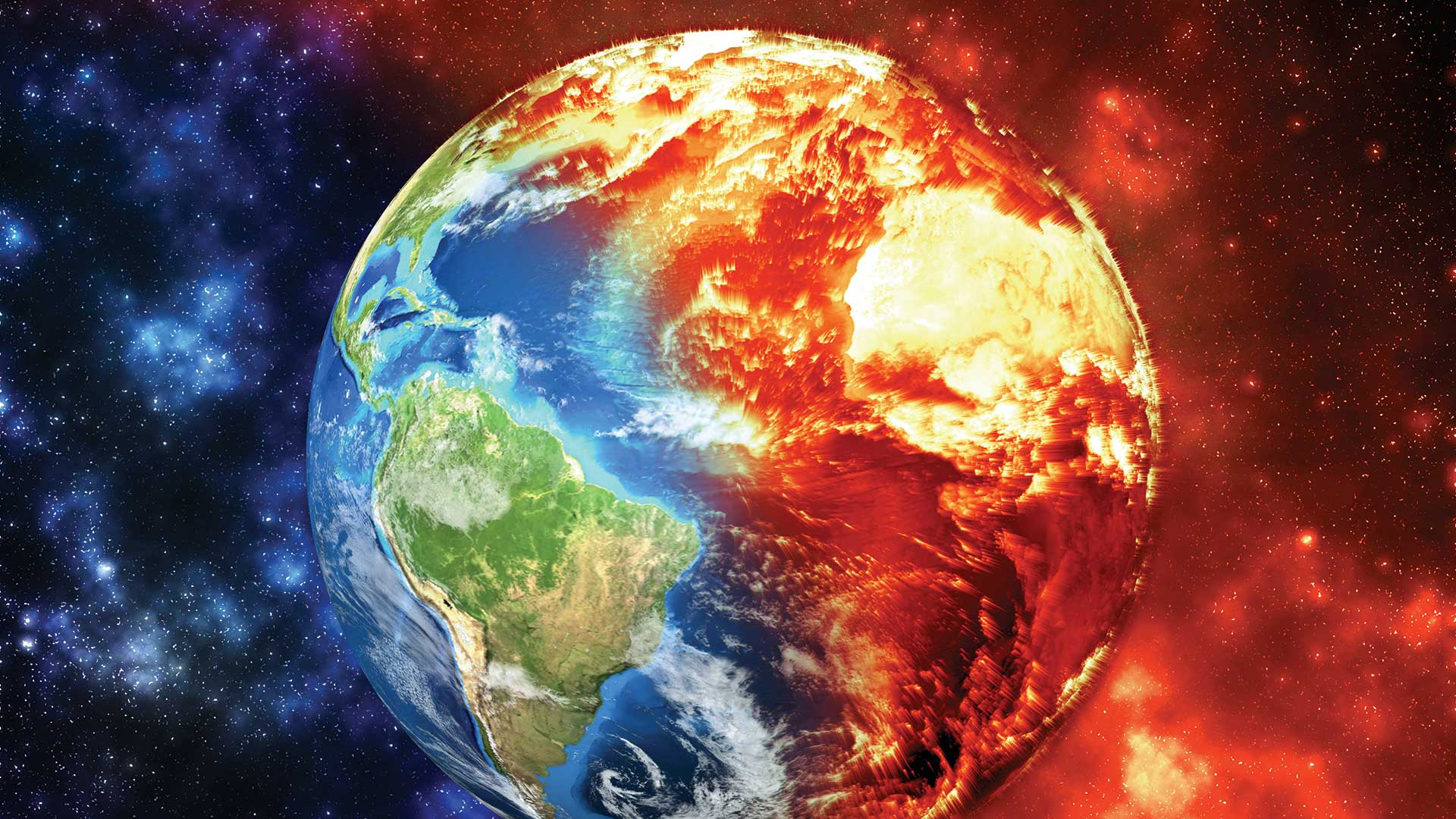
Global emissions from fossil fuels are projected to reach unprecedented levels this year, with an estimated 37.4 billion metric tons of planet-heating pollution—an increase of 0.8% from 2023—dashing expectations that 2024 would mark a decline. The rise, reported by the Global Carbon Project, indicates continued increases in emissions from coal, oil, and gas, despite mounting evidence of the need for rapid climate action.

This troubling news coincides with the COP29 UN climate summit in Baku, Azerbaijan, where leaders face growing anxiety over potential shifts in global climate policy under a possible second Trump administration. The urgency for climate action is reinforced by 2024’s extreme weather, with record-breaking temperatures and a series of natural disasters including hurricanes, floods, and severe droughts.

Pierre Friedlingstein, climate professor at the University of Exeter and lead author of the report, highlighted the continuing growth of fossil fuel emissions as “increasingly dramatic” given the escalating impacts of climate change.

Emissions from Deforestation and Land Use Also Rising In addition to fossil fuels, emissions linked to land-use changes, such as deforestation, are projected to rise due to severe droughts and wildfires this year. Combined, global climate pollution is anticipated to reach 41.6 billion metric tons in 2024, up from 40.6 billion metric tons in 2023. While this increase may seem modest, it places the world further off track in reducing emissions enough to stabilize global warming.

The increase contrasts with some regional progress. Emissions in the U.S. and Europe are expected to decrease, and China’s emissions growth appears to be slowing and may even decline this year. However, these reductions are counterbalanced by rising emissions in other parts of the world, particularly in India.

1.5-Degree Threshold Threatened To limit global warming to 1.5 degrees Celsius, in line with the Paris climate agreement, fossil fuel emissions need to be cut roughly in half by 2030. Scientists warn that exceeding this threshold could trigger irreversible climate tipping points and endanger human and ecological resilience. Although some temporary 12-month warming periods have already surpassed this critical level, scientists are most concerned about the risk of prolonged warming beyond 1.5 degrees, which could be reached within six years at current emission rates.

Carbon Removal Efforts Lagging Despite interest in carbon removal technologies, the report finds that these technologies currently capture only a minuscule fraction of emissions. According to Friedlingstein, only rapid and substantial reductions in fossil fuel emissions will prevent catastrophic climate consequences. He urged world leaders at COP29 to implement immediate, far-reaching measures to curb emissions.


COP29 Chief Executive Caught Promoting Fossil Fuel Deals, Raising Concerns About the Conference’s Integrity

A senior official at the COP29 climate change conference, set to take place in Baku, Azerbaijan, has been caught in a covert video promoting fossil fuel deals while using his position. Elnur Soltanov, the CEO of Azerbaijan’s COP29 team and deputy energy minister, was filmed discussing investment opportunities in the state oil and gas company, Socar, with a man posing as a potential investor. In the recording, Soltanov highlights the country’s many untapped gas fields and the potential for joint ventures, describing natural gas as a “transitional fuel.”

The secret footage raises serious ethical concerns, with critics calling it a betrayal of the COP process. Christiana Figueres, former head of the UN climate change body and architect of the 2015 Paris Agreement, called Soltanov’s actions “contrary and egregious” to COP’s purpose, accusing him of undermining efforts to combat climate change. She described the behavior as a “treason” to the COP process, which is meant to address the world’s reliance on fossil fuels, not facilitate their expansion.

Soltanov, who also sits on the board of Socar, was caught suggesting the fake investor could sponsor COP29 in exchange for discussions about oil and gas investments in Azerbaijan. Despite initially promoting “green transitioning projects,” Soltanov quickly shifted focus to the country’s plans to increase gas production and develop new pipeline infrastructure. He even implied that Socar could open doors for business ventures in the energy sector, including oil and gas, promoting the idea that the doors of Azerbaijan’s energy sector were “open” to anyone with solutions.

The revelation is the latest in a series of controversies surrounding COP hosts. This year marks the second consecutive year that the BBC has reported issues with the host nation’s behavior. Documents and recordings obtained by the human rights group Global Witness reveal the COP29 team discussing a sponsorship deal with a fictitious Hong Kong-based investment firm in exchange for access to the country’s oil and gas business.

The actions of Soltanov and the COP29 team, including offering passes for full access to the summit in exchange for support in energy investments, seem to be in direct violation of the UN’s code of conduct for COP officials. The UN Framework Convention on Climate Change (UNFCCC) enforces these standards to ensure impartiality and prevent conflicts of interest.

Azerbaijan’s COP29 team has not responded to requests for comment on the findings. Meanwhile, Soltanov’s promotion of fossil fuel deals starkly contrasts with the goals of COP29, which seeks to reduce global reliance on fossil fuels and limit the effects of climate change. The incident also follows last year’s revelations about similar attempts at COP28, hosted by the UAE, to strike oil and gas deals, emphasizing the ongoing tension between fossil fuel interests and the global climate agenda.