Yazılar

Musk’s new Tesla pay deal could earn billions even without “Mars-shot” breakthroughs

Elon Musk’s record-breaking $878 billion Tesla pay package, pitched as contingent on “Mars-shot” achievements, could still grant him tens of billions of dollars even if he misses the most ambitious goals, according to a Reuters analysis of the deal’s structure and expert evaluations.

When Tesla’s board approved the 10-year compensation plan in September, it told investors Musk would only earn shares by transforming Tesla and society through advances in AI, robotics, and autonomy. Yet performance experts say the plan’s vague definitions and lenient milestones could see Musk earning massive payouts without revolutionizing the company.

By achieving only a handful of easier targets—such as modest vehicle sales and incremental growth in Full Self-Driving (FSD) subscriptions—Musk could collect more than $50 billion in Tesla stock. Even two minor achievements, paired with a $2.5 trillion valuation, would grant him $26 billion, more than the lifetime pay of several top U.S. CEOs combined.
Critics argue that goals like selling 1.2 million cars annually or reaching 10 million FSD subscriptions are achievable without breakthroughs in autonomy or robotics. Experts also noted that definitions of “advanced driving system” and “robot” are so broad that Musk could qualify for payouts without delivering true self-driving or humanoid robots.

Tesla’s board insists the package is “worth zero unless value doubles,” yet corporate governance analysts warn that the structure grants Musk huge rewards with minimal accountability. The hardest targets—profit milestones up to $400 billion—may be out of reach, but Tesla’s market value could still reach $2–3 trillion over a decade with average stock growth.

Morningstar analyst Seth Goldstein said the company’s valuation already hinges on “future products that don’t exist today.” Whether Musk delivers them—or merely the promise—will decide if shareholders’ faith pays off.
U.S. investigates 2.9 million Teslas over Full Self-Driving traffic violations

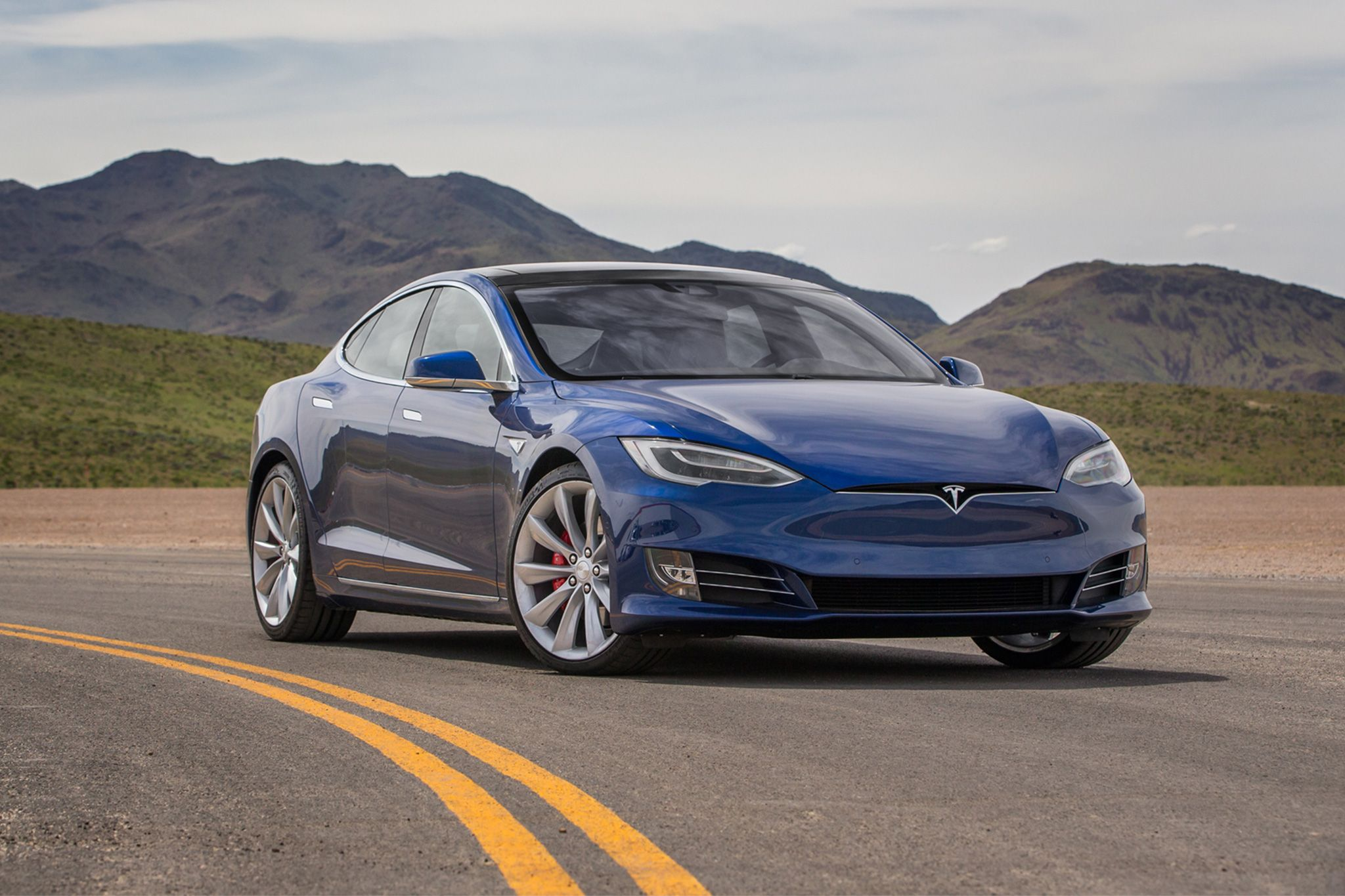
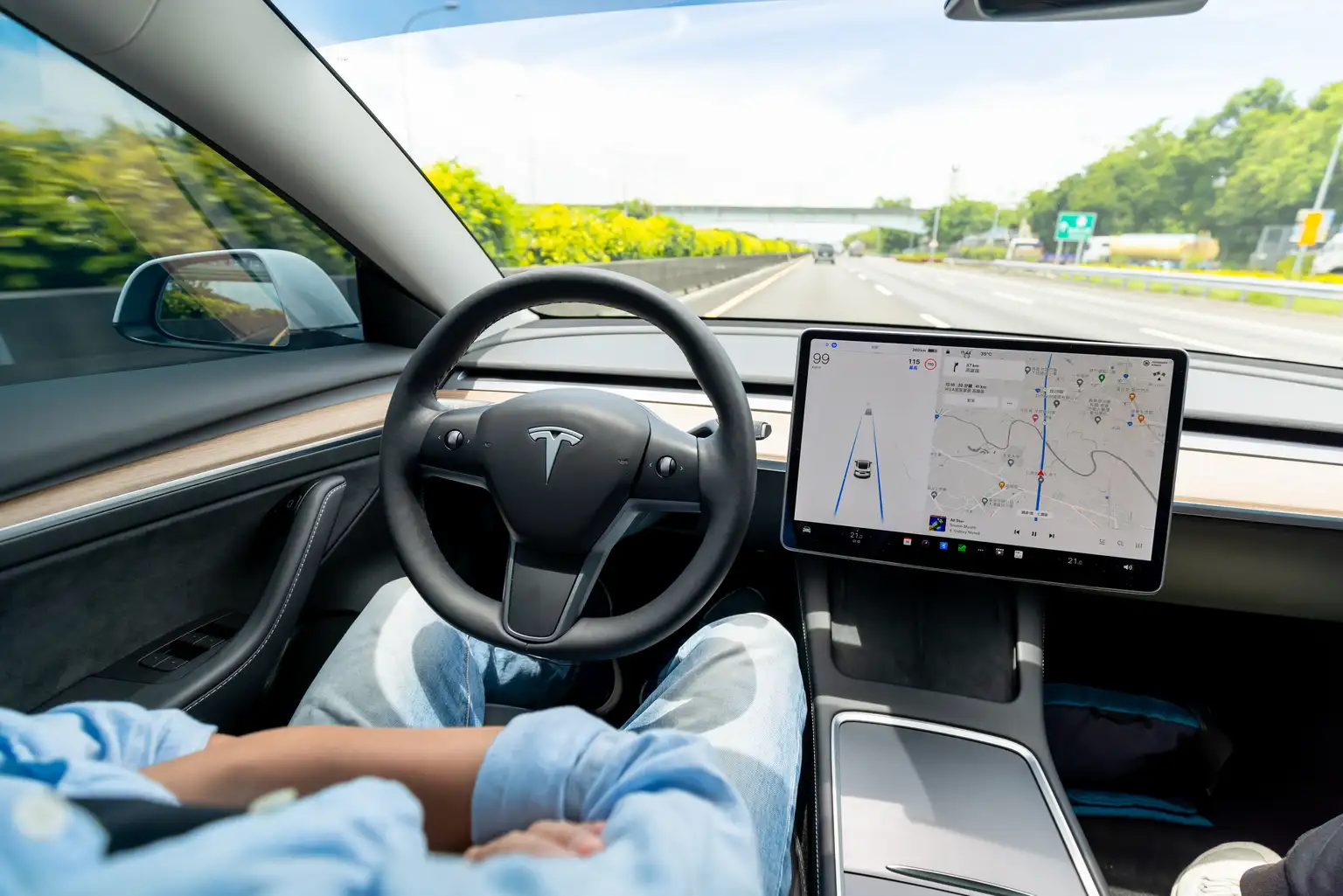
The U.S. National Highway Traffic Safety Administration (NHTSA) has launched an investigation into 2.88 million Tesla vehicles equipped with the company’s Full Self-Driving (FSD) software after receiving more than 50 reports of traffic violations and crashes linked to the system.

The agency said the FSD feature — which requires driver attention and intervention — has in some cases “induced vehicle behavior that violated traffic safety laws,” including driving through red lights and making illegal lane changes. So far, 58 incidents have been reported, 14 resulting in crashes and 23 injuries, according to NHTSA.

In at least six cases, Teslas running FSD reportedly entered intersections against red signals, leading to collisions, four of which caused injuries. The regulator said it is also examining FSD’s behavior at railroad crossings following concerns raised by U.S. lawmakers over near-miss incidents.

The probe marks a preliminary evaluation, the first stage before a potential vehicle recall if safety risks are confirmed. Tesla shares slipped 2.1% following news of the investigation, first reported by Reuters.

Tesla recently issued a software update for FSD, though the company has not publicly commented on the probe. The system has been under continuous federal scrutiny amid concerns that its branding and performance blur the line between driver assistance and full automation.

Experts say the U.S. action may pressure other regulators to examine the growing use of semi-autonomous technologies in vehicles worldwide.

Autopilot Verdict Hits Tesla’s Robotaxi Ambitions, Raises Safety Concerns

A Florida jury has ordered Tesla (TSLA.O) to pay approximately $243 million in damages following a fatal 2019 crash involving a Model S equipped with Autopilot driver-assistance software. The verdict, which found Tesla’s Autopilot system defective, poses a significant setback to CEO Elon Musk’s plans to rapidly expand the company’s robotaxi network across the U.S.

Tesla maintains that the driver was solely at fault and plans to appeal the decision. This ruling comes amid ongoing federal investigations and recalls linked to Tesla’s autonomous driving technology. It could intensify regulatory scrutiny, making it harder for Tesla to convince state authorities that its self-driving tech is safe and ready for broad deployment.

Experts say the verdict may increase pressure on regulators to impose stricter safety checks before approving autonomous vehicle services. Legal and industry analysts warn the ruling threatens Musk’s goal of offering robotaxi service to half of the U.S. population by year-end, a critical component as Tesla faces slowing demand for its older electric vehicle models and backlash over Musk’s political views.

Palantir’s software underpins Tesla’s robotaxi plans. Success will depend on earning regulators’ and consumers’ trust in the Full Self-Driving (FSD) software, an advanced system capable of city street navigation and autonomous maneuvers, building on the original Autopilot system used primarily on highways.

Tesla’s FSD updates have continued since 2019. Analysts at Piper Sandler noted that the verdict does not directly affect the latest versions of Tesla’s FSD software.

Regulatory and Industry Context:
Developing safe, fully autonomous vehicles has proven more challenging and costly than anticipated. Many companies, such as General Motors’ Cruise unit, have faced setbacks or changed strategy. Musk’s approach relies mainly on cameras and AI rather than expensive sensors like lidar and radar used by rivals such as Waymo and Zoox.

Tesla launched a limited robotaxi trial in June in Austin, Texas, deploying about a dozen Model Y SUVs monitored by safety drivers. Musk aims to rapidly scale this service nationwide, targeting coverage of half the U.S. population within months, contrasting with Waymo’s cautious multi-year rollout.

Tesla is currently seeking regulatory approval in multiple states, including California, Nevada, Arizona, and Florida. Officials have not commented on the verdict’s impact.

Case Details:
The lawsuit concerned a crash where a Tesla Model S, with Autopilot engaged, ran a stop sign and collided with a parked Chevrolet Tahoe. The driver admitted distraction but no alerts were received before the incident. The jury found Autopilot had a defect and held Tesla partly liable.

Tesla has historically won or settled most Autopilot-related lawsuits out of court. This verdict stands out and may influence several pending cases.

Investors and legal experts warn the ruling could delay regulatory progress and damage Tesla’s image at a critical time for its autonomous vehicle ambitions.