Yazılar

Tesla Invites Select Users to Texas Robotaxi Trial with Front Seat Safety Monitors

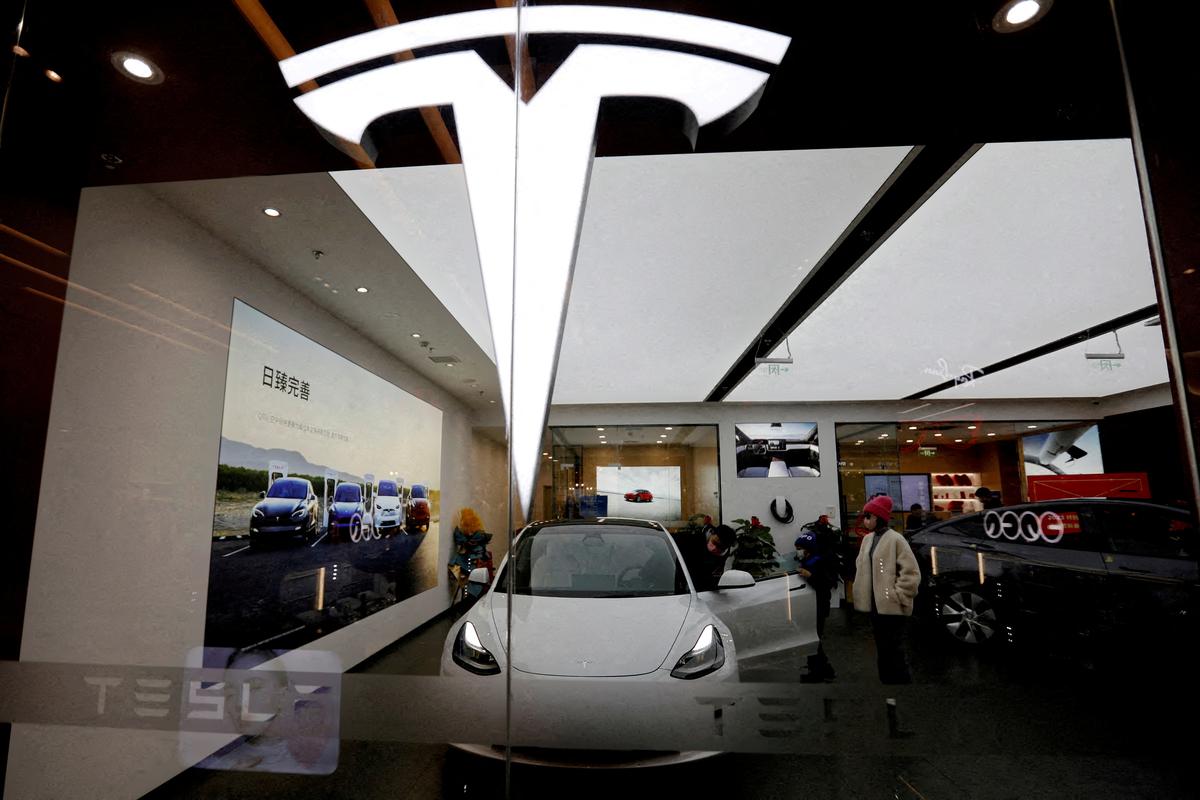
Tesla (TSLA.O) has invited a small group of users to participate in a limited test of its robotaxi service in Austin, Texas, tentatively scheduled to begin this Sunday, according to social media posts and email screenshots. The invitations indicate that a Tesla employee will accompany riders in the front passenger seat during the trial.

This trial in Austin is a critical step for Tesla as the company faces challenges including declining car sales linked to CEO Elon Musk’s political stances. Tesla has increasingly shifted focus from producing affordable electric vehicles to advancing robotics and artificial intelligence, a strategy that underpins much of its market valuation.

Elon Musk has emphasized safety for the trial, stating that the vehicles will be monitored remotely by humans and expressing confidence in scaling the robotaxi service quickly. The initial deployment will involve about 10 Model Y SUVs equipped with Tesla’s full self-driving driver assistance software.

The rollout could be delayed, and operations may be limited or suspended in poor weather conditions. Riders must be at least 18 years old. Tesla’s cautious approach to the robotaxi launch drew approval from X.com user Omar Qazi (@WholeMarsBlog), who received an invitation and noted, “Tesla is rolling out the Robotaxi service extremely cautiously, which is good. Baby steps.” Musk responded, “Very much so.”

Despite the enthusiasm, commercializing autonomous vehicles remains costly and risky. Tesla, along with competitors like Alphabet’s Waymo (GOOGL.O) and Amazon’s Zoox (AMZN.O), has faced federal probes and recalls linked to crashes involving self-driving cars.

Experts have raised concerns about Tesla’s heavy reliance on cameras and AI, without backup sensors such as lidar or radar, warning that adverse weather like fog, heavy rain, or sun glare could compromise safety.

Recently, a group of Democratic lawmakers from Austin urged Tesla to postpone the rollout until September, when new state regulations on autonomous vehicles will come into effect.

Users in Austin who receive invitations can download Tesla’s Robotaxi app to summon a vehicle. One screenshot shared online stated, “Through this exclusive preview, you’ll have the opportunity to provide valuable feedback on our Robotaxi service.” Reuters was unable to immediately verify the screenshots’ authenticity.
US Auto Safety Agency Reviews Tesla’s Responses on Robotaxi Safety Ahead of Deployment

The U.S. National Highway Traffic Safety Administration (NHTSA) is currently reviewing Tesla’s answers regarding the safety of its upcoming robotaxi service, particularly how the self-driving vehicles will perform in poor weather conditions. This review comes ahead of Tesla’s planned limited launch of its robotaxi service in Austin, Texas, which could begin as early as this weekend.

Tesla has reportedly invited a small group of people to participate in a test of the robotaxi service, with posts and screenshots on social media showing that a Tesla employee will accompany riders in the front passenger seat. NHTSA had requested detailed information from Tesla by June 19 to better understand the company’s safety protocols and technology for the robotaxi rollout.

The agency’s ongoing probe covers 2.4 million Tesla vehicles equipped with Full Self-Driving (FSD) technology, following multiple collisions in reduced visibility conditions, including a fatal crash in 2023. NHTSA’s questions focus on how Tesla plans to ensure safety in challenging conditions such as fog, sun glare, rain, dust, or snow, and what the vehicle’s response would be if such conditions arise during a ride.

Additionally, the agency has sought clarity on how many vehicles will be deployed as robotaxis and the timeline for wider availability, especially for vehicles operated by third parties rather than Tesla directly. Tesla CEO Elon Musk has emphasized a strong safety focus for the upcoming trial, with humans remotely monitoring the vehicles during operations.

Tesla did not immediately respond to requests for comment, and NHTSA said it will update the public file once its review is complete.

Tesla to Use Remote Teleoperation for Robotaxis Amid Safety Concerns, Faces Limitations

Tesla plans to launch its robotaxi service in Austin, Texas, with around 10 Model Y SUVs operating under strict safety limits. The vehicles will be remotely monitored by humans through teleoperation, a technology allowing operators to control cars from a distance via wireless networks. Tesla CEO Elon Musk emphasized a cautious approach, with humans ready to take control in challenging situations, such as navigating crowded areas or confusing traffic scenarios.

Teleoperation in the robotaxi industry varies. For example, Waymo’s vehicles mostly operate autonomously but can consult human “fleet response” agents for help when uncertain. Baidu’s Apollo Go offers fully remote backup drivers who can take over virtually. Tesla’s model leans toward remote control intervention, supported by recent job ads seeking teleoperation personnel capable of managing vehicles and robots remotely.

However, teleoperation has key limitations. It depends on stable cellular connections, which can lag or drop, creating safety risks if vehicles lose contact with operators during critical moments. Experts warn that while teleoperation might be feasible for a small test fleet like Tesla’s, it becomes unreliable at scale. Additionally, one operator can only monitor a limited number of vehicles effectively.

Tesla’s robotaxis will initially operate only in safe, limited parts of Austin, avoiding complex intersections. The company’s Full Self-Driving software will provide autonomous control, with teleoperators acting as a safety backup. Some Texas lawmakers have urged Tesla to postpone the launch until new autonomous driving laws take effect in September to ensure public safety and trust.