Yazılar

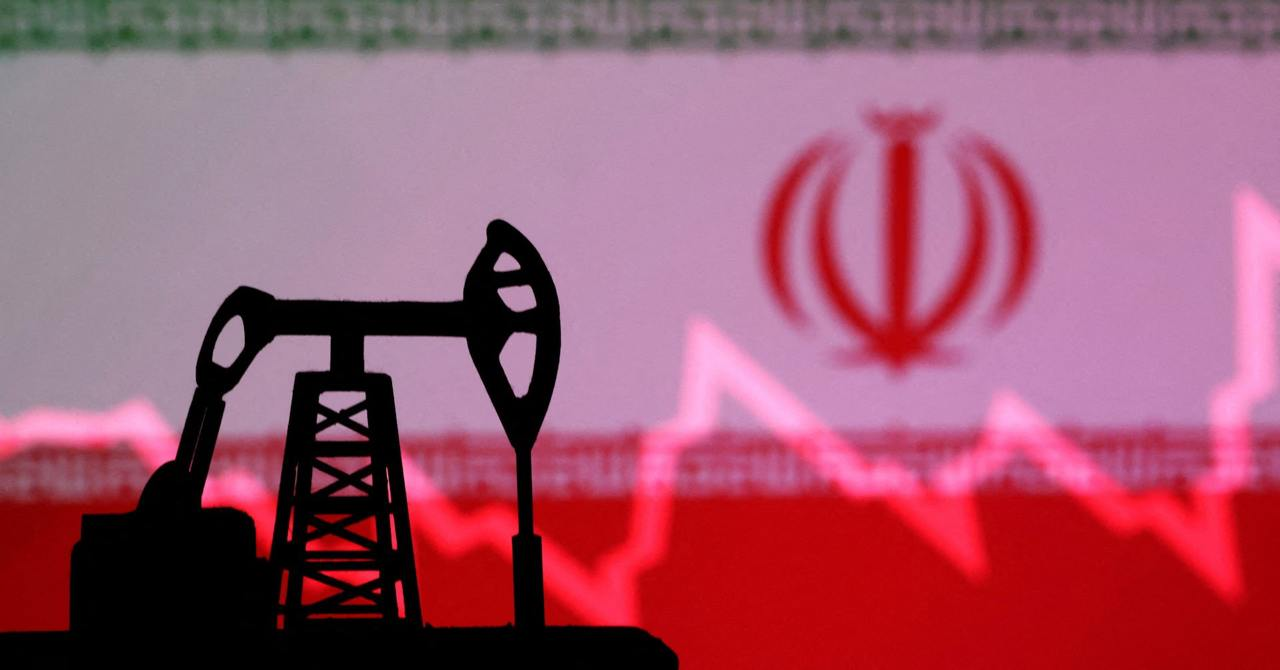
Fuel Oil Smuggling Network Generates $1 Billion Annually for Iran and Proxies

A vast fuel oil smuggling network has emerged in Iraq, allegedly generating over $1 billion annually for Iran and its allies, according to intelligence reports and sources familiar with the operation. This scheme has flourished since Prime Minister Mohammed Shia al-Sudani assumed office in 2022, exploiting government subsidies for heavy fuel oil (HFO) designated for asphalt plants.

Key Details of the Smuggling Network

  1. Scope and Routes
    • Monthly diversion of 500,000 to 750,000 metric tons of HFO, equivalent to 3.4 to 5 million barrels.
    • Two primary routes:
      • Blending Iraqi and Iranian fuel oil to evade U.S. sanctions.
      • Exporting subsidized fuel with forged documentation to disguise its origins.
  2. Key Players and Control
    • Central roles played by Iranian-backed militias such as Asaib Ahl al-Haq (AAH) and Kataib Hezbollah, both tied to Iran’s Revolutionary Guards.
    • The Iraqi State Company for Mining Industry and private entities are deeply implicated.
    • Alleged manipulation of government allocation policies to facilitate smuggling.
  3. Economic Impact
    • Subsidized prices for fuel oil allow significant profit margins on the international market, with export prices ranging from $300 to $500 per ton.
    • Iraqi exports of fuel oil are projected to surpass 18 million tons in 2023, doubling 2021 figures.

Political and Geopolitical Dynamics

  • Iran’s Role
    • Iran benefits from blending operations that enhance the market value of its sanctioned fuel oil.
    • The funds support Iran’s regional influence and proxies, including militias in Iraq.
  • Iraq’s Challenges
    • Iraqi leadership faces pressure from the U.S. to curtail smuggling but depends on Iranian-backed groups for political stability.
    • Prime Minister Sudani’s policies, including reducing subsidized prices and reviewing allocations, appear insufficient to dismantle the network.
  • U.S. Concerns
    • The illicit trade places Iraqi officials at risk of U.S. sanctions, especially given ties to entities like AAH, whose leader, Qais al-Khazali, has been sanctioned since 2019.

Operational Details

  • Blending and Export
    • Blending occurs primarily in Basra, with Khor Al Zubair and Umm Qasr ports serving as export hubs.
    • Iraqi engineers execute blending during ship-to-ship transfers, complicating detection of mixed origins.
  • Policy Exploitation
    • Subsidies and overallocated quotas for asphalt plants are exploited to create surplus fuel for smuggling.
    • Some plants are allegedly fictitious, existing solely to secure fuel oil for export.

Recent Developments

Efforts to reform the system include raising subsidized fuel prices and reviewing plant allocations, yet the smuggling continues. Despite modest price hikes in July, subsequent reductions hint at persistent vulnerabilities in the oversight framework.
Beijing Promises Market Reforms and Support for Hong Kong Amid Global Uncertainty

Commitments to Open Markets and Boost Hong Kong

During the Global Financial Leaders’ Investment Summit in Hong Kong, Beijing pledged to continue opening its financial sector to foreign investors while supporting Hong Kong’s role as a global financial hub. The summit, attended by top Wall Street executives, underscored China’s commitment to market reforms amidst geopolitical tensions and domestic economic challenges.

“We will create an inclusive and favorable business environment for foreign investors,” stated Zhu Hexin, deputy governor of China’s central bank. He emphasized China’s willingness to welcome overseas investments as part of its economic development strategy.

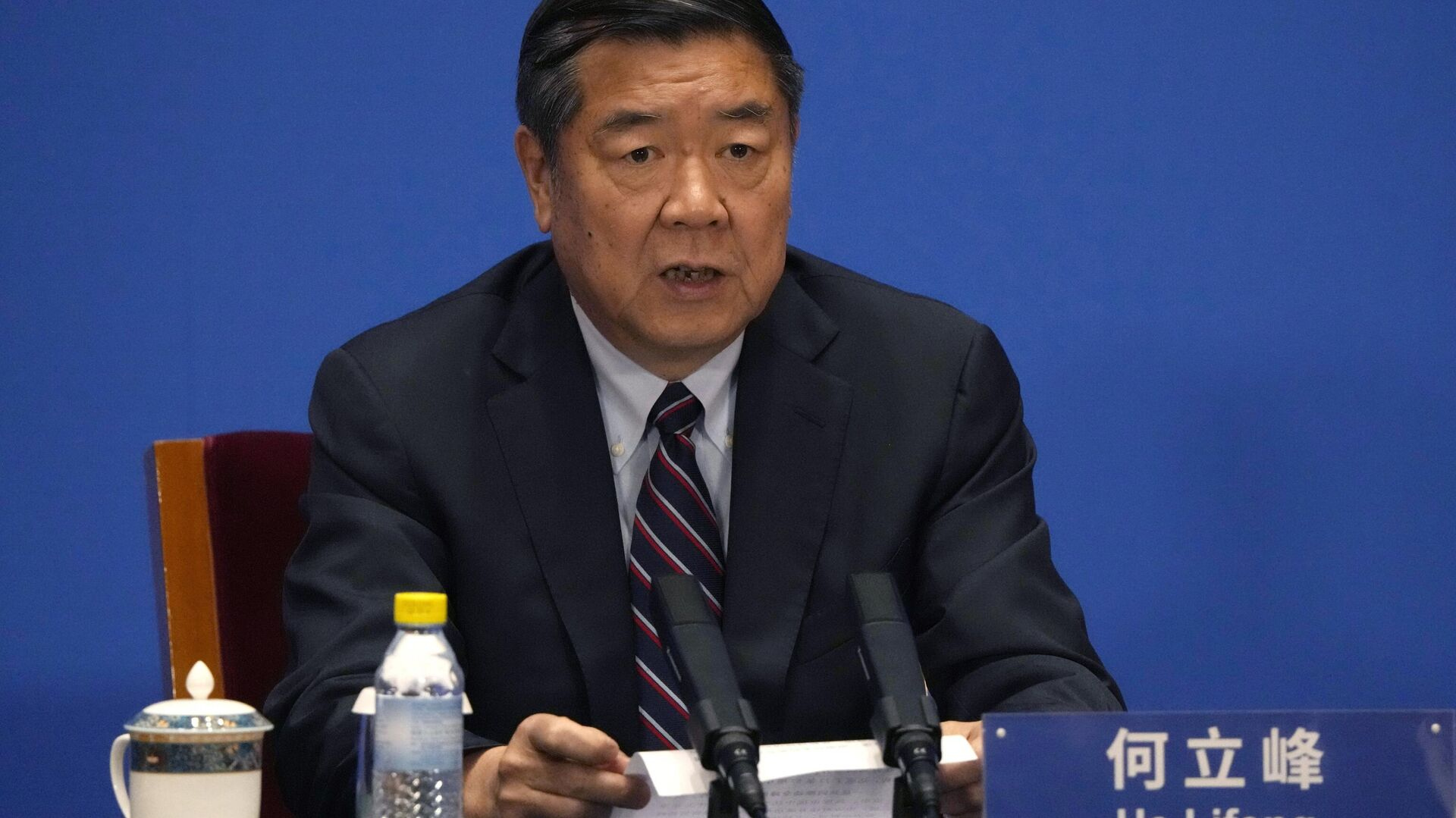
Wu Qing, Chairman of the China Securities Regulatory Commission, promised to reduce investment barriers, implement supportive measures, and deepen capital market reforms. Vice Premier He Lifeng also announced plans to increase Hong Kong’s global financial standing, including facilitating Chinese enterprises’ access to Hong Kong’s bond and equity markets.


Geopolitical and Economic Context

The summit occurred amidst increasing scrutiny of Hong Kong’s autonomy following the implementation of a national security law in 2020. Western governments have criticized the legislation, citing its impact on democratic freedoms, while Beijing maintains it was necessary for restoring order after 2019’s mass protests.

The timing of Beijing’s announcements coincided with Hong Kong’s High Court sentencing 45 pro-democracy activists in a landmark trial, which has drawn sharp criticism from the U.S. and other nations.


Challenges in Global and Domestic Markets

Hong Kong has experienced a decline in initial public offerings (IPOs), with only $9.1 billion worth of listings in 2024 compared to a peak of $51.6 billion in 2020. This downturn has led financial firms to cut jobs in the region. Despite this, international executives such as Citigroup’s Jane Fraser and Goldman Sachs’ David Solomon expressed optimism about potential deregulation in the U.S. fueling global corporate activity.

China’s domestic economy remains sluggish due to ongoing issues in the property sector and the lingering effects of pandemic-related disruptions. To combat this, Beijing recently introduced a 10 trillion yuan ($1.38 trillion) debt package aimed at stabilizing local government finances and boosting growth.

Morgan Stanley CEO Ted Pick highlighted early signs of recovery, stating, “Battling deflation takes time. The monetary and fiscal measures are starting to take effect, but results will not be immediate.”

However, concerns linger among global investors regarding capital mobility in China. Solomon remarked, “Messages about the ability to attract capital and ensure it can flow in and out of the country are crucial for global confidence.”


Hong Kong’s Strategic Role and Future Outlook

Beijing reaffirmed its support for Hong Kong by committing to bolster its financial market through regular issuance of treasury bonds and facilitating the expansion of Chinese financial institutions. Despite challenges, the summit underscored Hong Kong’s strategic importance to China’s broader economic ambitions.

As global financial leaders evaluate opportunities, the interplay between Beijing’s reforms, Hong Kong’s recovery, and the broader geopolitical environment will remain pivotal for shaping the region’s economic trajectory.

The Caspian Sea Faces an Uncertain Future Amid Rapid Decline

The Caspian Sea, the world’s largest inland body of water, is rapidly shrinking, causing alarm among environmentalists and local communities who depend on it. Eco-activists like Azamat Sarsenbayev from Kazakhstan and photographer Khashayar Javanmardi from Iran share their deep concerns as they witness the dramatic changes affecting their lifeblood.

A Troubling Decline

Once brimming with life and beauty, the Caspian Sea is now marred by stark declines in water levels. Sarsenbayev recalls a time when he could leap into its waters near Aktau, but now he faces a barren landscape. Meanwhile, Javanmardi laments the pollution that has rendered the water unfit for swimming along the southern shores. Both men, who have grown up beside the sea, fear for its future.

The Sea’s Importance

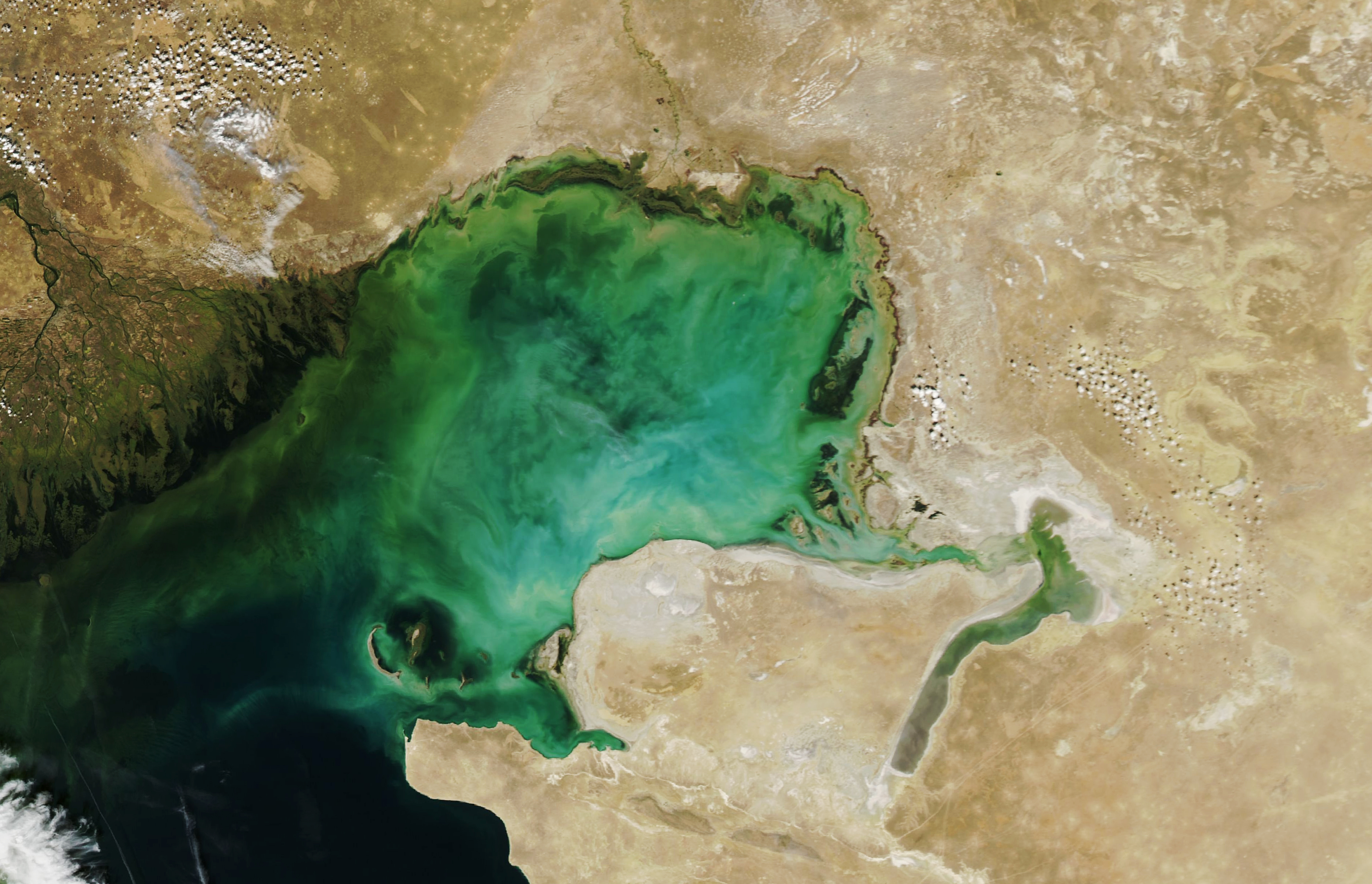
Covering an area roughly the size of Montana, the Caspian Sea is bordered by Kazakhstan, Iran, Azerbaijan, Russia, and Turkmenistan. These nations rely on the sea for fishing, farming, tourism, and drinking water, while it also plays a crucial role in regulating the climate of Central Asia. Unfortunately, a combination of human activity, pollution, and climate change is pushing this vital ecosystem toward an irreversible decline.

Human Impact and Climate Change

The Caspian Sea’s precarious balance is affected by multiple factors, including damming and over-extraction of water from the rivers that feed it—predominantly the Volga River. With approximately 80% of its inflow coming from this single river, Russia’s extensive dam construction has dramatically reduced water levels. Additionally, climate change exacerbates the situation by increasing evaporation and causing erratic rainfall patterns.

According to Earth systems modeler Matthias Prange, the sea has lost about 5 feet in water levels since the mid-1990s, with projections indicating a further decline of 8 to 18 meters (26 to 59 feet) by century’s end, depending on global fossil fuel emissions.

Picture background

Ecological Crisis

The implications of this decline are dire for the Caspian’s unique wildlife, including the endangered wild sturgeon and Caspian seals. With diminishing water levels, oxygen depletion threatens aquatic life that has existed for millions of years. Notably, the seal population has plummeted, with aerial surveys showing alarming reductions in numbers, leaving researchers like Assel Baimukanova deeply concerned.

Potential Geopolitical Tensions

The dwindling resources may also spark geopolitical tensions among the five bordering countries. As each nation seeks to capitalize on the remaining resources, conflicts over oil, gas, and water rights could arise. This situation mirrors the catastrophic decline of the Aral Sea, which serves as a cautionary tale of environmental mismanagement.

Calls for Collective Action

Experts emphasize that addressing the Caspian Sea’s crisis requires collective action among the bordering nations. With significant political instability in the region, finding common ground may be challenging. If countries fail to cooperate, the Caspian Sea might face irreversible damage, similar to what befell the Aral Sea.

A Call to Awareness

As global leaders prepare for COP29 in Baku, Azerbaijan, where they will discuss climate actions, the plight of the Caspian Sea is becoming increasingly urgent. Despite acknowledging the crisis, Azerbaijan continues to expand fossil fuel production, raising concerns about balancing economic interests with ecological preservation.

Activists like Sarsenbayev and Javanmardi are striving to raise awareness through social media and photography, urging the public to recognize the significance of the Caspian Sea. Javanmardi poignantly states, “This is the biggest lake in the world; all people should consider it as something important.”

Conclusion: An Urgent Need for Change

The Caspian Sea’s future hangs in the balance as climate change and human activities threaten its existence. Without immediate and cooperative efforts from the bordering nations, the world may witness yet another environmental tragedy, leaving communities like those of Sarsenbayev and Javanmardi with nothing but memories of the vibrant sea they once cherished.