Yazılar

CIA Director Warns of Genuine Risk of Russia Using Tactical Nuclear Weapons Early in Ukraine Conflict

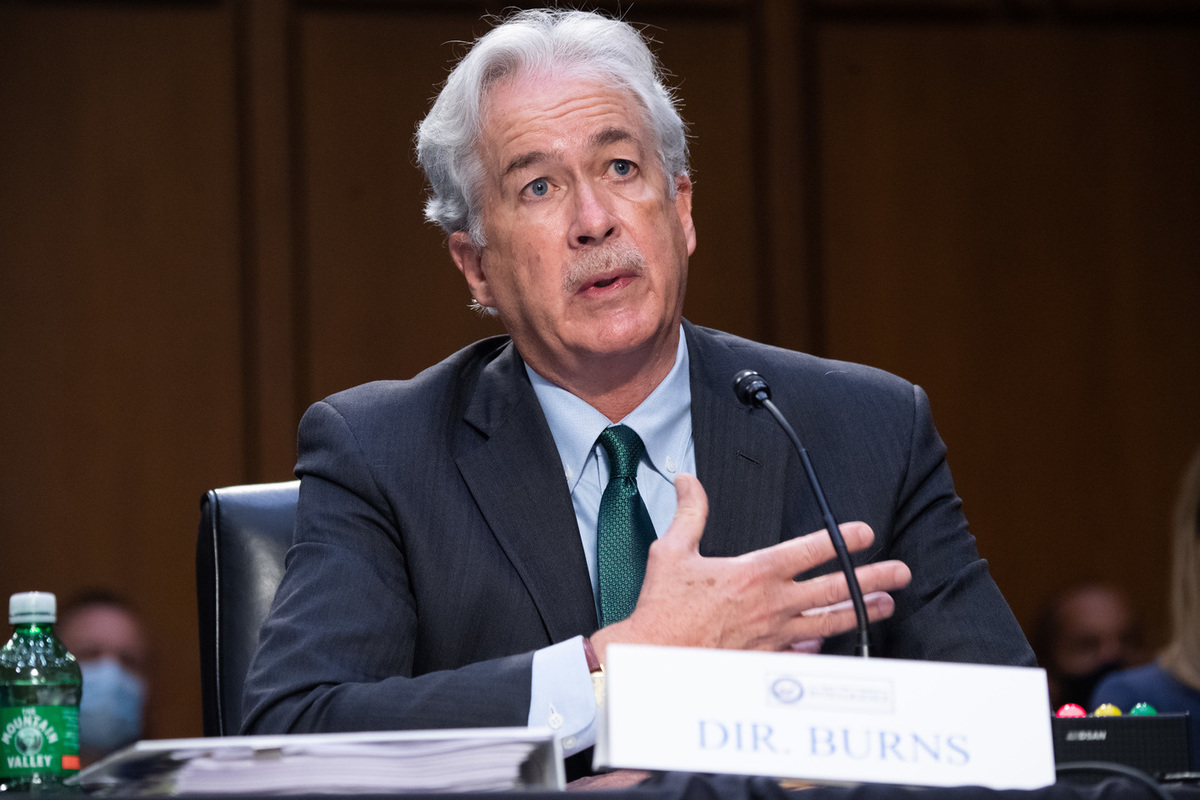
CIA Director William Burns revealed that in the fall of 2022, there was a “genuine risk” of Russia deploying tactical nuclear weapons on the battlefield in Ukraine. Speaking at the Financial Times Weekend Festival alongside the U.K.’s secret intelligence chief Richard Moore, Burns emphasized that the West should not be intimidated by Russian President Vladimir Putin’s nuclear threats, despite the heightened risk at the time. Burns noted that his agency did not believe in succumbing to such threats, describing Putin as a “bully” prone to saber-rattling. Burns also recounted his meeting with Russian intelligence chief Sergey Naryshkin in late 2022, where he stressed the severe consequences of nuclear escalation. The CIA director pointed to Ukraine’s recent offensive in Russia’s Kursk region as a morale boost for Ukrainian forces and a cause of concern for the Kremlin, exposing vulnerabilities in Putin’s regime and military. Amid this tension, Russia’s nuclear doctrine, which is defensive and focused on deterrence, may be subject to amendments following Ukraine’s advancements, according to Russian Deputy Foreign Minister Sergei Ryabkov.


Russia Signals Potential Shift in Nuclear Doctrine Amid Escalating Tensions with Ukraine

Russia has suggested that it may revise its official stance on the use of nuclear weapons, as tensions continue to escalate with Ukraine following cross-border incursions into Russia’s Kursk region. Deputy Foreign Minister Sergei Ryabkov announced that amendments to Russia’s nuclear doctrine are in progress, motivated by what Moscow perceives as a Western-backed escalation of the conflict with Ukraine.

Ukraine’s recent offensive, which has seized nearly 500 square miles of Russian territory since August, has prompted Russia to reconsider its nuclear policy. Ryabkov pointed to the ongoing military support provided to Ukraine by NATO allies, especially the supply of long-range missiles, as a driving factor behind the revision. Although Western nations have denied involvement in Ukraine’s cross-border operations, Russia accuses them of encouraging the offensive.

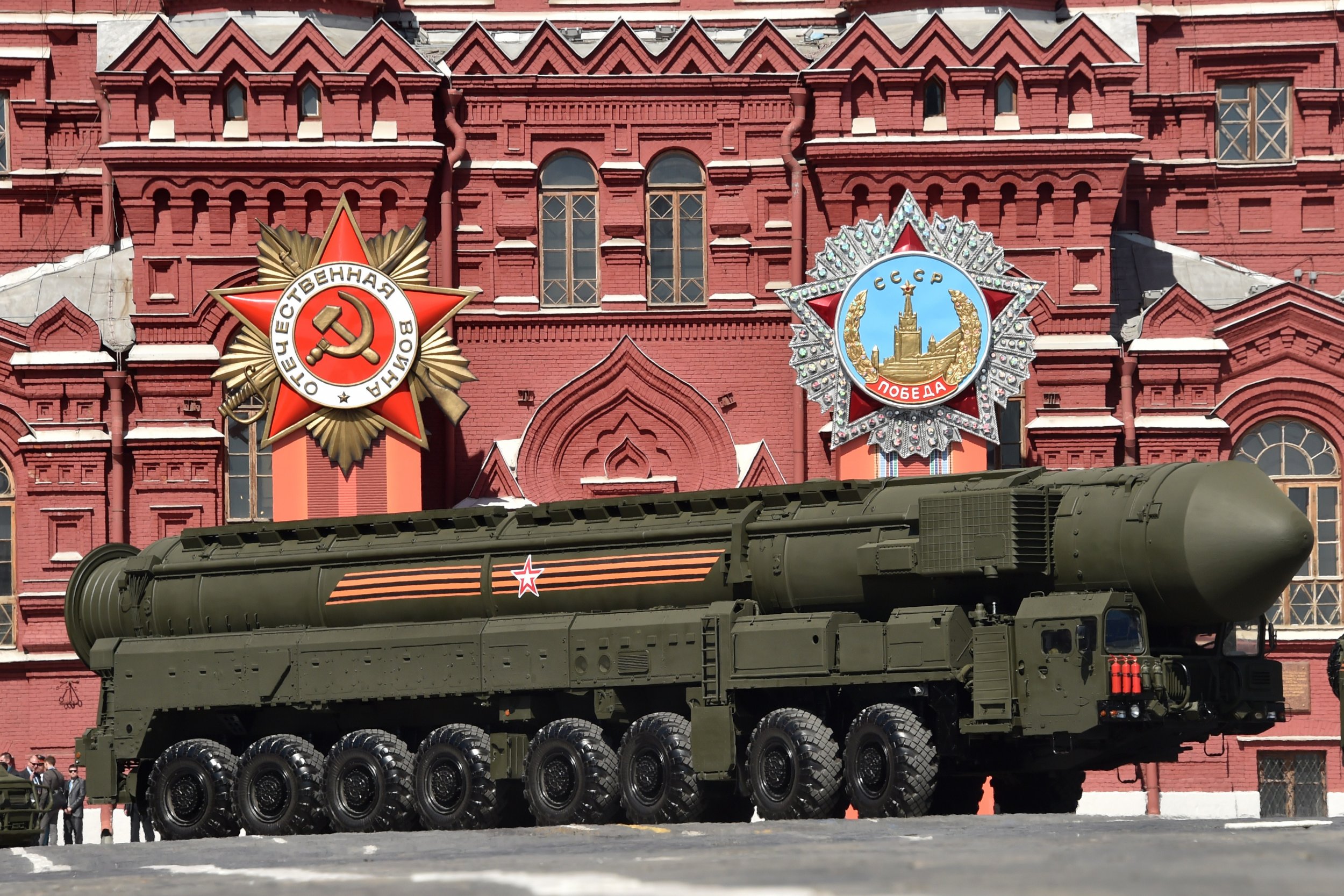
Russia’s current nuclear doctrine reserves the right to use nuclear weapons in response to nuclear or other mass destruction weapons used against it or its allies, as well as in the event of conventional aggression threatening the existence of the state. While the doctrine emphasizes nuclear weapons as a deterrent, Russian officials, including President Vladimir Putin, have signaled that the conditions for nuclear deployment could be revised. Putin has referred to the nuclear doctrine as a “living instrument” that could be adjusted based on changing global dynamics.

Picture background

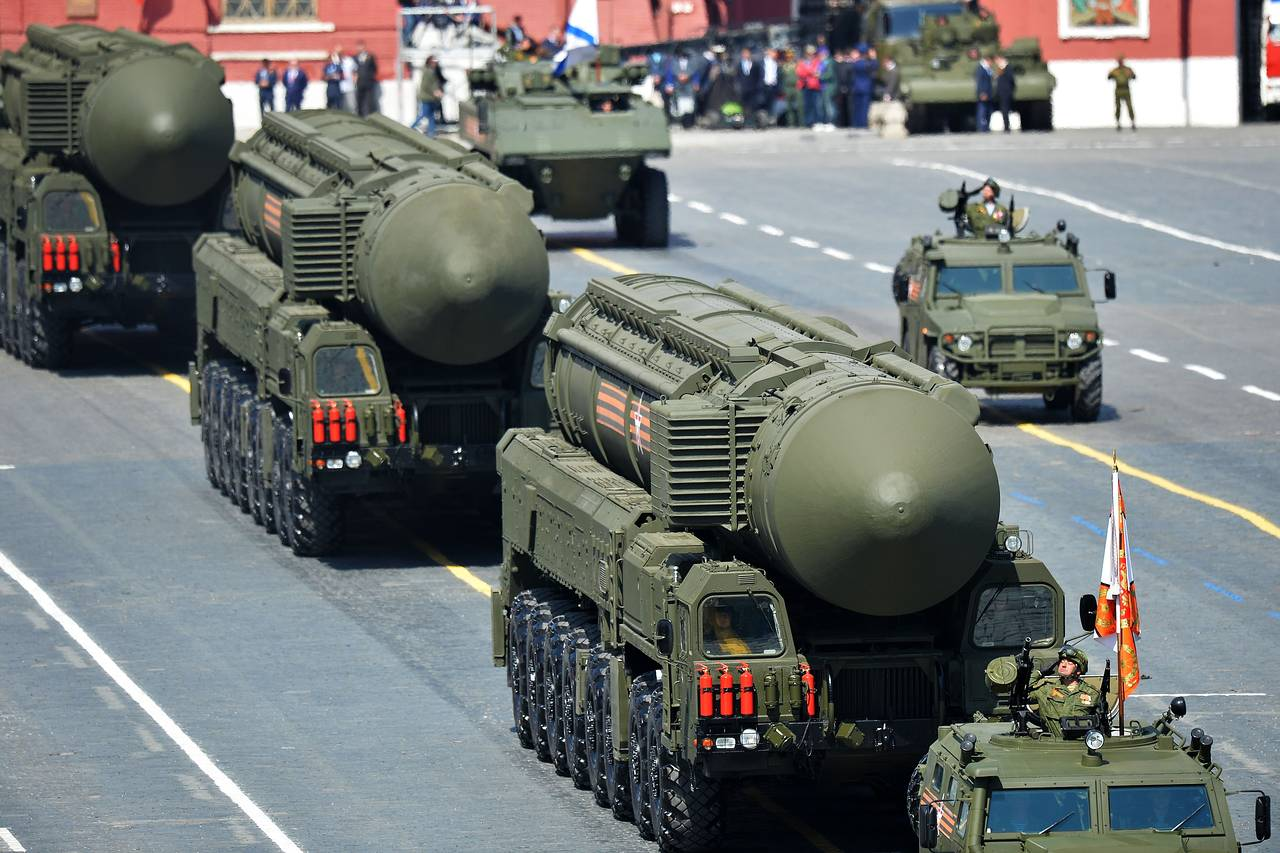
The possibility of deploying nuclear weapons has been a recurring theme since Russia’s invasion of Ukraine in February 2022. Although tactical nuclear weapons, which are designed for battlefield use, have been stationed near Ukraine and in Belarus, Russia has so far refrained from employing them. However, recent Ukrainian incursions into Russian territory have exposed vulnerabilities in Russia’s national defenses, raising concerns about a potential nuclear response.

Despite saber-rattling from Russian officials, analysts believe that the likelihood of Russia deploying nuclear weapons remains low. Experts from the Institute for the Study of War downplayed Ryabkov’s comments, suggesting that the rhetoric is intended to dissuade Western countries from supporting Ukraine further. The potential changes to Russia’s nuclear doctrine are likely aimed at maintaining strategic ambiguity, rather than signaling an imminent shift in nuclear policy.

Russia’s framing of the conflict as an existential battle with the West has kept nuclear tensions simmering, but Ukrainian officials hope that their recent operations will dispel fears of nuclear retaliation and encourage more robust support from NATO, including the approval of longer-range missiles. As both sides continue to escalate, the global community watches closely, concerned that any misstep could trigger a nuclear confrontation with far-reaching consequences.

China Denounces U.S. Over Biden’s New Nuclear Strategy Focus on Beijing

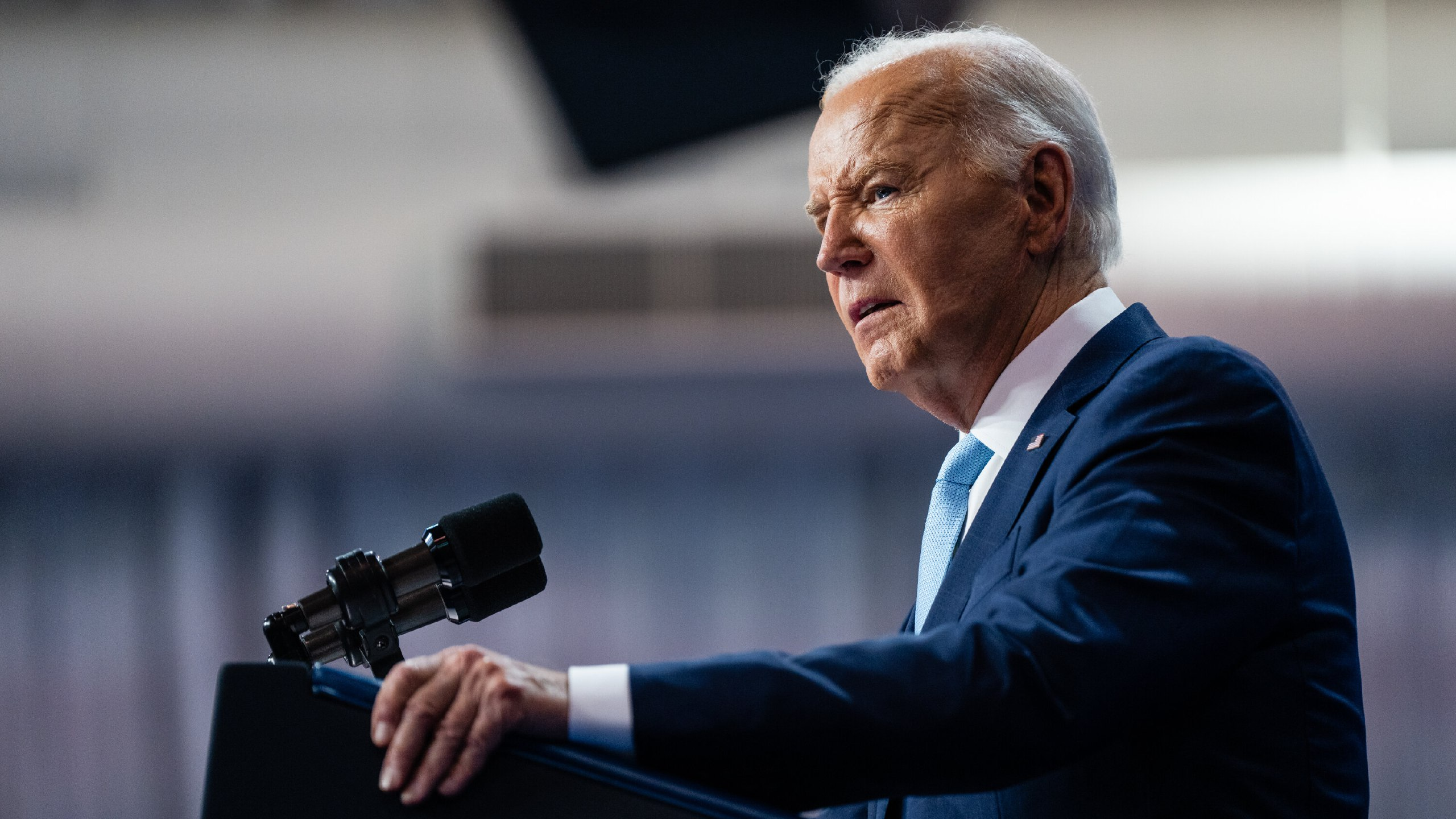
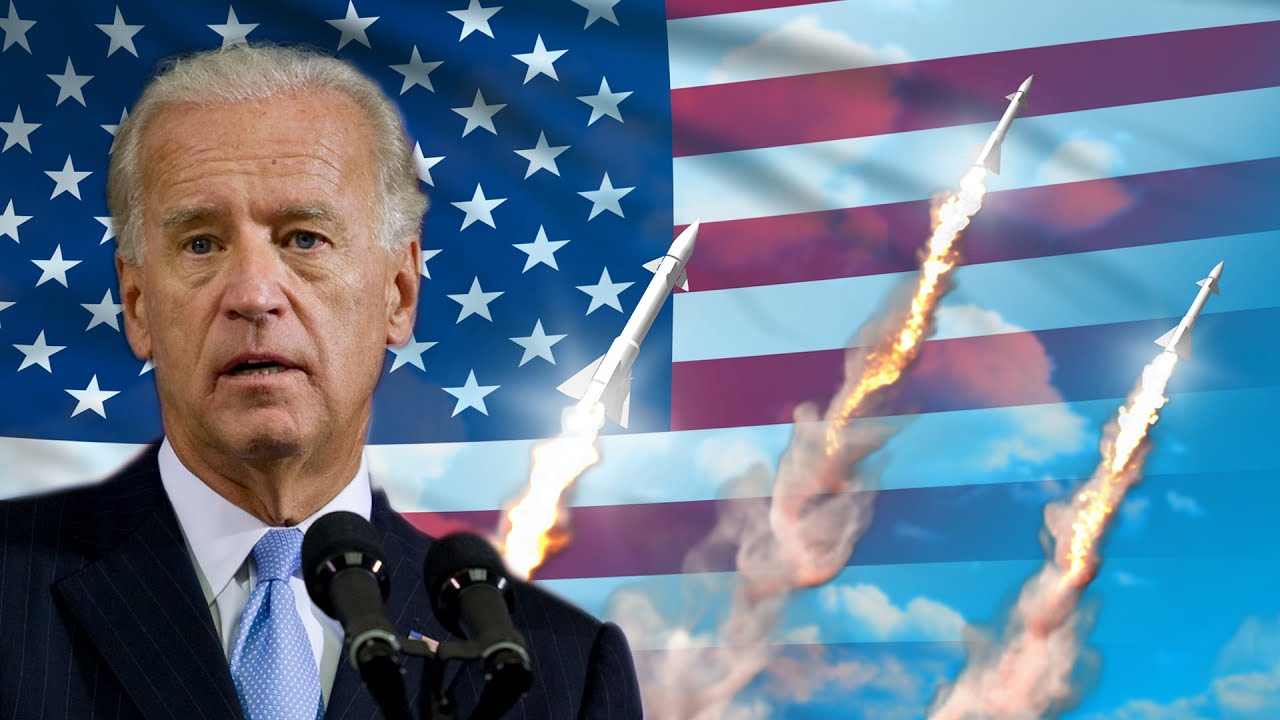
China has sharply criticized the United States following reports that President Joe Biden approved a shift in U.S. nuclear strategy aimed at addressing Beijing’s growing nuclear capabilities. The New York Times revealed that Biden’s revised nuclear strategy, known as the “Nuclear Employment Guidance,” was approved in March amidst concerns from the Pentagon about China’s rapid nuclear expansion, which is expected to rival the U.S. and Russia in the coming decade.

China’s state media and foreign ministry responded swiftly, accusing the U.S. of using China’s nuclear development as a pretext for maintaining its own large arsenal. The editor of the Global Times, a prominent government-affiliated publication, accused the U.S. of hyping up the “China nuclear threat narrative” to justify its post-Cold War nuclear posture. The editor further called on Washington to rebuild trust with China through dialogue rather than confrontation.

China’s foreign ministry echoed these sentiments, with spokeswoman Mao Ning reaffirming that Beijing has no interest in engaging in a nuclear arms race. Mao accused the U.S. of seeking strategic advantage by exaggerating China’s nuclear developments. She called for a more diplomatic approach to managing tensions between the two superpowers.
Picture background

The criticism from Beijing comes amid a backdrop of increasing concerns within Washington over China’s military ambitions. A Pentagon report published last year projected that China’s nuclear warhead inventory would exceed 1,000 by 2030, while the number of operational nuclear warheads had already surpassed 500 by May 2023—higher than previous estimates.

The Biden administration’s revised strategy not only focuses on China but also prepares for potential nuclear threats from Russia and North Korea. Despite China’s objections, the White House has maintained that the nuclear strategy was not specifically targeted at any one country, but rather designed to address multiple evolving global threats.

Tensions between the U.S. and China over nuclear issues have been escalating, with both nations exchanging sharp rhetoric in recent years. Informal talks between the two resumed in March 2023, with Chinese officials assuring the U.S. that China would not use nuclear weapons in the Taiwan dispute.

As geopolitical competition between the world’s two largest economies intensifies, nuclear capabilities have become a key point of contention. Beijing sees U.S. policies as a threat to regional stability, while Washington remains concerned about China’s growing military power, especially as it extends its influence in Asia and beyond.

The ongoing friction between the U.S. and China underscores the complexities of global security in a multipolar world where traditional Cold War-era nuclear dynamics are being reshaped by emerging powers. Both nations will need to navigate these challenges carefully to avoid escalating tensions into a full-blown arms race.