Yazılar

Tariff Concerns Overshadow Tech and Auto Innovation at CES 2025

As CES 2025, one of the largest tech and auto trade shows, prepares to open in Las Vegas from January 7 to 10, an unusual topic is dominating discussions: tariffs. With President-elect Donald Trump’s inauguration days away and his proposed tariffs on imports from countries like Canada, Mexico, and China looming large, attendees are bracing for tough questions about potential economic fallout.

The trade show, known for unveiling cutting-edge automotive technology, quirky gadgets, and advancements in artificial intelligence (AI), is now becoming a platform to address the cost challenges posed by tariff threats. Strategy consultant Deborah Weinswig, CEO of Coresight Research, noted that the issue has surfaced in nearly every pre-CES conversation with clients.

Tariffs and Supply Chains in the Spotlight

Companies showcasing their latest innovations are likely to face scrutiny over their supply chains and manufacturing processes. Analysts predict questions about whether businesses are considering moving production to the U.S. to mitigate tariff impacts—an expensive and time-intensive solution.

For instance, Honda, which sends 80% of its Mexican vehicle output to the U.S., has already warned it may need to shift production if permanent tariffs are imposed. According to Edmunds, nearly half of new cars sold in the U.S. are made abroad, along with a substantial share of parts in domestically assembled vehicles. S&P Global estimates that European and American automakers could lose up to 17% of their combined annual core profits if tariffs are levied on imports from Europe, Mexico, and Canada.

Economic Strain on the Auto Industry

In addition to tariff concerns, the auto industry faces challenges from weaker-than-expected demand for electric vehicles (EVs). Trump’s plans to roll back policies promoting EV adoption further compound the difficulties. Felix Stellmaszek, an automotive expert at Boston Consulting Group, emphasized the precarious position of suppliers operating on razor-thin margins. The combination of tariffs, supply-chain uncertainties, and labor shortages has pushed companies into “hyper mode” for scenario planning.

Focus on Tech and AI Innovations

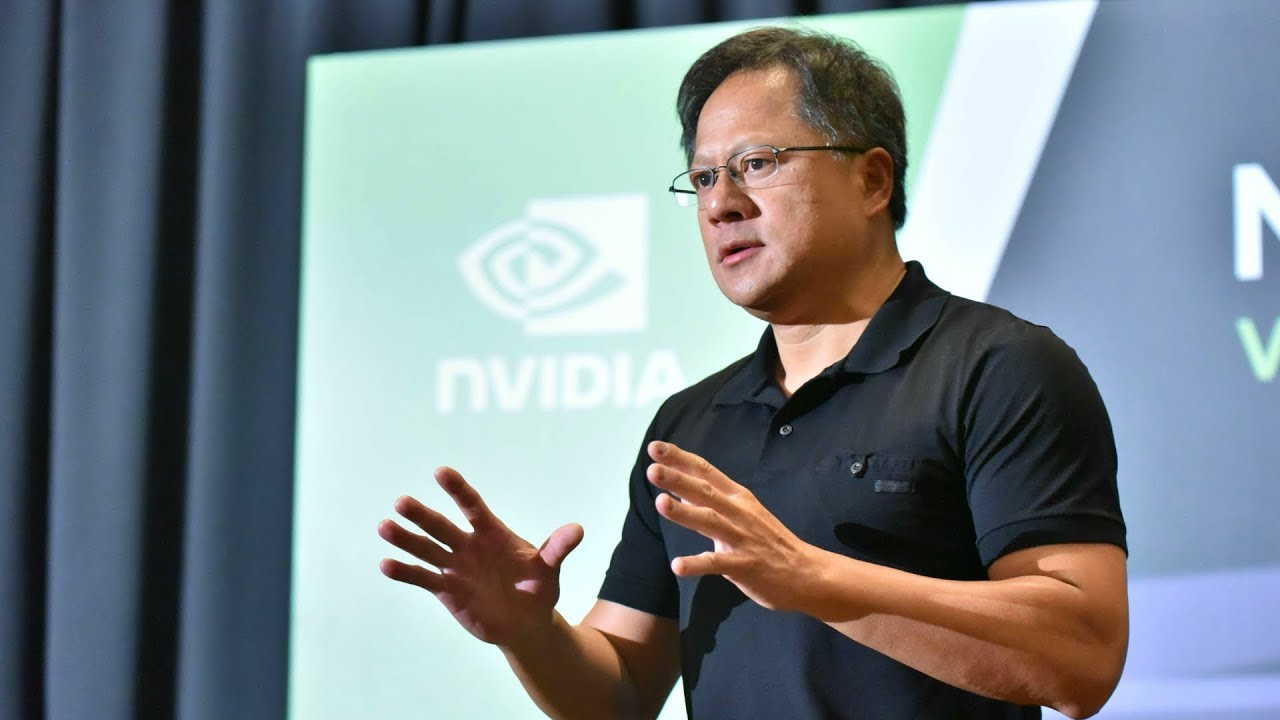
Despite economic uncertainties, CES 2025 remains a showcase for advancements in AI, self-driving technology, and software-driven automotive enhancements. Keynote speakers, including Nvidia CEO Jensen Huang and Volvo Group CEO Martin Lundstedt, are expected to unveil innovations that aim to make vehicles smarter, safer, and more efficient.

However, discussions surrounding tariffs are expected to dominate policy sessions, press conferences, and informal talks. Industry leaders such as Toyota, Bosch, and Continental are also expected to provide updates on how they are adapting to rising costs and preparing for potential policy shifts.

A Complex Outlook

The intersection of technology and economic policy is shaping CES 2025 in unprecedented ways. Questions remain about how companies can collaborate across supply chains, mitigate rising costs, and leverage technology to navigate uncertainty. “There’s still so much that’s unknown,” Weinswig remarked. “Everyone is trying to figure out every possible scenario.”
Trump Threatens to Demand U.S. Control of Panama Canal Over “Excessive Rates”

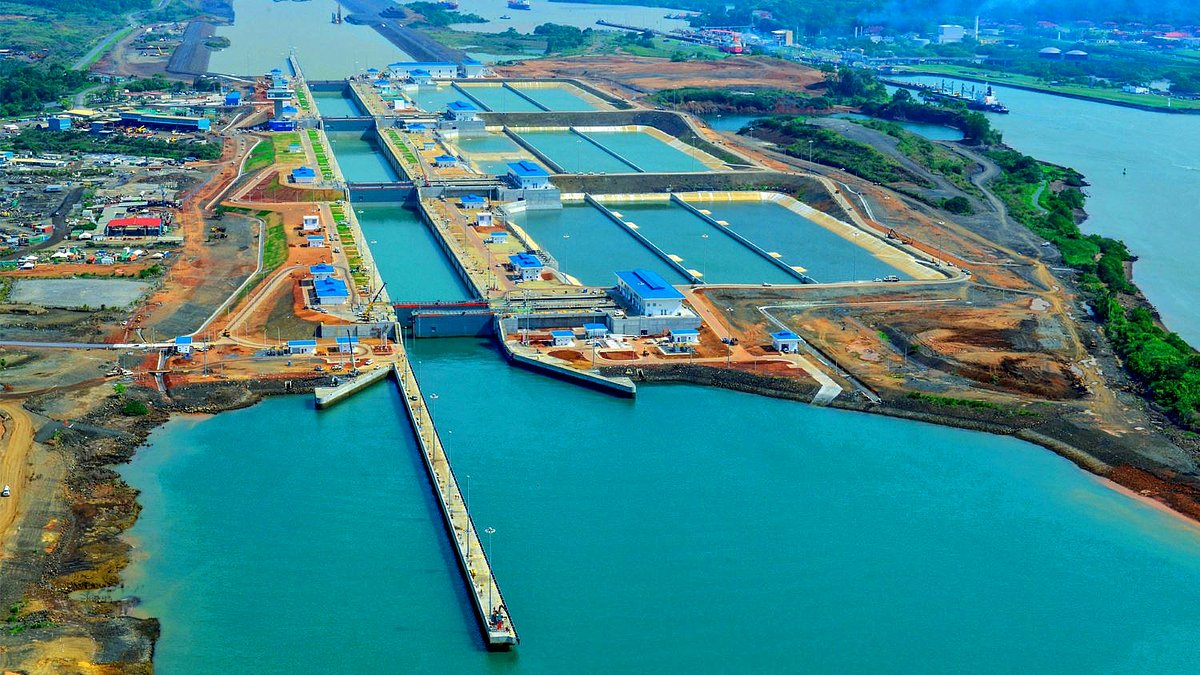
President-elect Donald Trump took to Truth Social on Saturday, accusing Panama of charging “ridiculous” fees for the use of the Panama Canal. He warned that if the canal was not managed to U.S. satisfaction, he might demand that Panama hand over control of the waterway to the United States.

In his post, Trump raised concerns about potential Chinese influence over the canal, stating it must not fall into “the wrong hands.” His remarks underscore what many expect to be a more aggressive stance in U.S. diplomacy during his presidency. Trump’s rhetoric has frequently involved strong-arm tactics with allies and bold declarations on international matters.

History of U.S.-Panama Canal Relations

The Panama Canal, a critical waterway for global trade, was constructed largely under U.S. oversight in the early 20th century. For decades, the U.S. managed the canal and the surrounding territory. However, the canal was fully transferred to Panamanian control in 1999 following a 1977 treaty signed by President Jimmy Carter that gradually shifted its administration to Panama.

Trump’s Justification for Reclaiming the Canal

Trump’s post framed the canal’s handover as an act of U.S. “generosity” toward Panama, asserting that this magnanimous gesture was based on principles of cooperation. He accused Panama of breaching these principles through its current fee structure.

“The fees being charged by Panama are ridiculous, especially knowing the extraordinary generosity that has been bestowed to Panama by the U.S.,” Trump wrote. “If the principles, both moral and legal, of this magnanimous gesture are not followed, then we will demand that the Panama Canal be returned to us, in full, and without question.”

Diplomatic Fallout and Concerns Over Chinese Influence

Trump’s comments also hinted at fears of Chinese involvement in the management of the canal, a strategic passage connecting the Atlantic and Pacific Oceans. While Trump did not provide specific evidence, his statement reflects broader U.S. concerns about growing Chinese influence in Latin America.

The Panamanian embassy in Washington has not yet responded to Trump’s comments.

Implications for U.S.-Panama Relations

Trump’s remarks mark a rare instance of a U.S. leader suggesting the possibility of demanding territorial control from a sovereign ally. The comments may strain U.S.-Panama relations and raise questions about how Trump’s administration will approach long-standing diplomatic agreements.


Lithium’s Role in EU’s Landmark Trade Deal with South America

On December 6, after 25 years of negotiations, the European Union (EU) and five Mercosur countries—Brazil, Argentina, Uruguay, Paraguay, and Bolivia—reached a monumental trade agreement. This deal is poised to create one of the largest free trade zones globally, impacting over 700 million people and accounting for around 20% of global GDP.

The trade pact aims to foster increased trade and investment, reduce tariff and non-tariff barriers, and establish stable rules around sustainable development. However, not all EU members support the deal. Countries like France and Poland are concerned it might create unfair competition, particularly in agriculture.

Despite limited media attention, lithium—often called “white gold” due to its high value and key role in technology—emerged as a central element of the agreement. According to analysts at ING, lithium’s significance was perhaps understated, even though the EU is highly dependent on China for critical raw materials and Latin American countries, including Argentina, Brazil, and Bolivia, hold substantial lithium reserves. This strategic access is vital as Europe increasingly demands lithium for industries like electric vehicles and renewable energy.

Latin America is responsible for about 35% of global lithium supply, with Chile and Argentina being the largest contributors. The region also holds more than half of the world’s lithium reserves, underscoring its importance in the global shift to cleaner energy.

Strategic Implications

European Commission President Ursula von der Leyen emphasized that the trade deal could save EU companies €4 billion annually in export duties. Kaja Kallas, the EU’s foreign policy chief, highlighted that the agreement would ensure European access to critical raw materials, mitigating the risk of competitors filling the void.

The deal became feasible after shifts in global dynamics, such as rising protectionism and strategic considerations regarding China’s growing influence in Latin America. Federico Steinberg from the Center for Strategic and International Studies noted that the EU would gain enhanced access to public procurement markets, high-value services, and vital raw materials like lithium, while also reducing tariffs on agricultural products.

Germany’s industrial federation (BDI) praised the deal, viewing it as a crucial step toward securing raw materials for electromobility and renewable energy industries. In a time of increasing global trade fragmentation, the EU-Mercosur agreement stands as a strategic move to bolster free trade and access to critical resources.