Yazılar

BRICS Nations Have No Intent to Undermine U.S. Dollar, Says Indian Foreign Minister

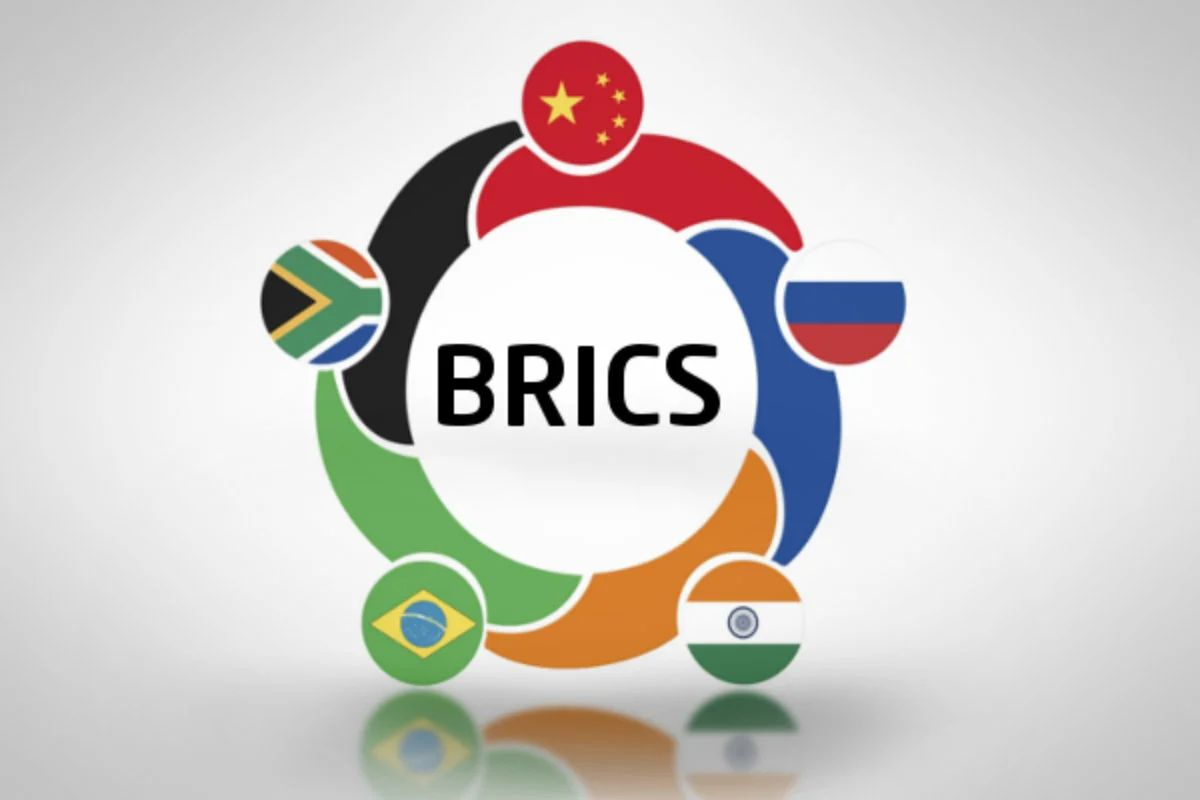
India’s Foreign Minister, Subrahmanyam Jaishankar, emphasized on Saturday that the BRICS nations—comprising Brazil, Russia, India, China, and South Africa—have no intention of weakening the U.S. dollar. Speaking at an event in Doha, Qatar, Jaishankar sought to dispel concerns regarding the bloc’s monetary policies and intentions.

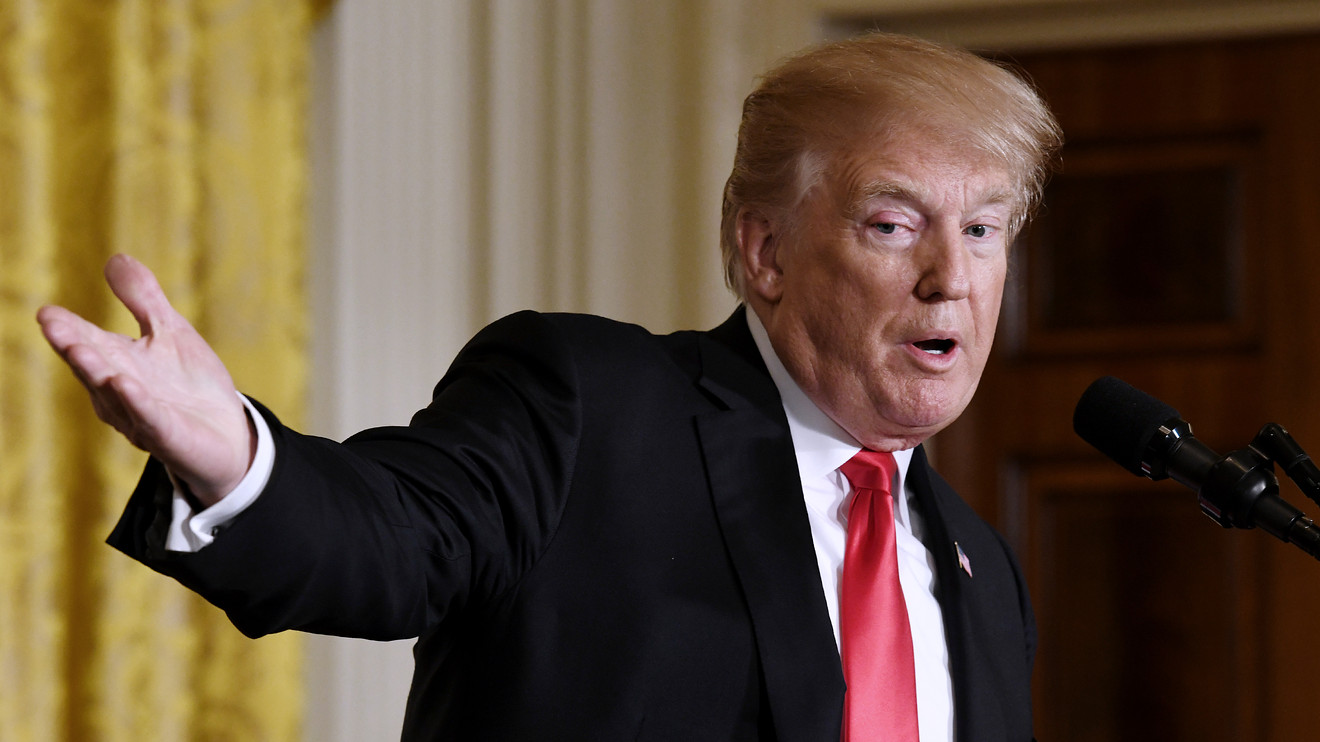
His comments come in the wake of U.S. President-elect Donald Trump’s ultimatum to BRICS countries. Trump recently demanded that the bloc refrain from creating or supporting an alternative currency to replace the dollar. Failure to comply, he warned, could result in the imposition of 100% tariffs on goods from BRICS member nations.

Context and Background

The U.S. dollar has long dominated global trade and financial markets, with BRICS countries occasionally proposing mechanisms to reduce dependence on it for international transactions. However, Jaishankar’s statement underscored India’s stance that BRICS aims to enhance multilateral cooperation without disrupting the global economic order.

“The BRICS framework has always focused on promoting shared growth and balanced trade partnerships, rather than challenging existing systems,” Jaishankar stated.

Trump’s Stance on BRICS and Global Currency

Trump’s sharp rhetoric reflects his administration’s broader concerns about potential threats to the dollar’s supremacy in global trade. The president-elect has also consistently advocated for protective economic measures to shield the U.S. from perceived challenges posed by major emerging economies.

While some BRICS nations, particularly China and Russia, have explored alternatives to reduce dollar dependency—such as using local currencies for trade or discussing a potential BRICS currency—there has been no formal move to establish a competitor to the U.S. dollar.

India’s Diplomatic Position

India, as one of the leading voices within BRICS, has reiterated its commitment to global financial stability. Jaishankar stressed that any speculation about undermining the dollar is unfounded and counterproductive to fostering international economic cooperation.

The Indian foreign minister also hinted at the need for constructive dialogue between the U.S. and BRICS to address concerns rather than escalating tensions through unilateral measures like tariffs.
Trump’s Tariff Plans Could Trigger Higher U.S. Interest Rates, Warns IIF Chief

Proposed tariffs by U.S. presidential candidate Donald Trump could lead to higher interest rates and disrupt the current trend of disinflation, according to Tim Adams, President and CEO of the Institute of International Finance (IIF). In an interview with CNBC on Tuesday, Adams noted that extreme tariffs would likely increase inflation, leading to a corresponding rise in interest rates.

“The assumption is you’ll have higher inflation, higher interest rates than you would have in the absence of those tariffs,” Adams explained. The potential economic impact depends on the nature and duration of retaliation from trading partners, but Adams suggested tariffs would hinder progress on reducing inflation.

Trump has made tariffs a central part of his economic policy, proposing a 20% tariff on all imports and a 60% tariff on Chinese goods. Additionally, he suggested a 100% tariff on cars crossing the U.S.-Mexico border and similar penalties for countries moving away from using the U.S. dollar.

Defending his plan, Trump argued in a recent interview with Bloomberg that high tariffs would compel companies to relocate their manufacturing to the U.S., allowing them to avoid the taxes. Trump has also dismissed concerns that his proposed tariffs would fuel inflation, describing them as part of a protective “ring around the country.”

Despite Trump’s confidence, economists and analysts warn that such broad tariffs, along with restrictions on immigration, would likely put upward pressure on inflation. While some short-term impacts could be absorbed, the long-term consequences could slow efforts to curb rising prices.

Inflation and Interest Rates

In recent months, inflation in the U.S. has fallen to 2.4% as of September, down from a pandemic-era peak of 9% in June 2022. The Federal Reserve has begun cutting interest rates, reducing them by half a percentage point in September. However, concerns about future disinflation remain, particularly if Trump’s tariffs are enacted.

The timing of these proposals coincides with rising global trade fragmentation. For example, the European Union recently approved higher tariffs on China-made electric vehicles, accusing Chinese manufacturers of benefiting from unfair subsidies.

Adams also pointed out that both Trump and his Democratic opponent, Vice President Kamala Harris, are running on platforms of change. While Trump’s proposals focus on isolationism and protectionism, Harris is expected to emphasize global engagement and cooperation with international institutions.

China’s Exporters Brace for U.S. Election Impact

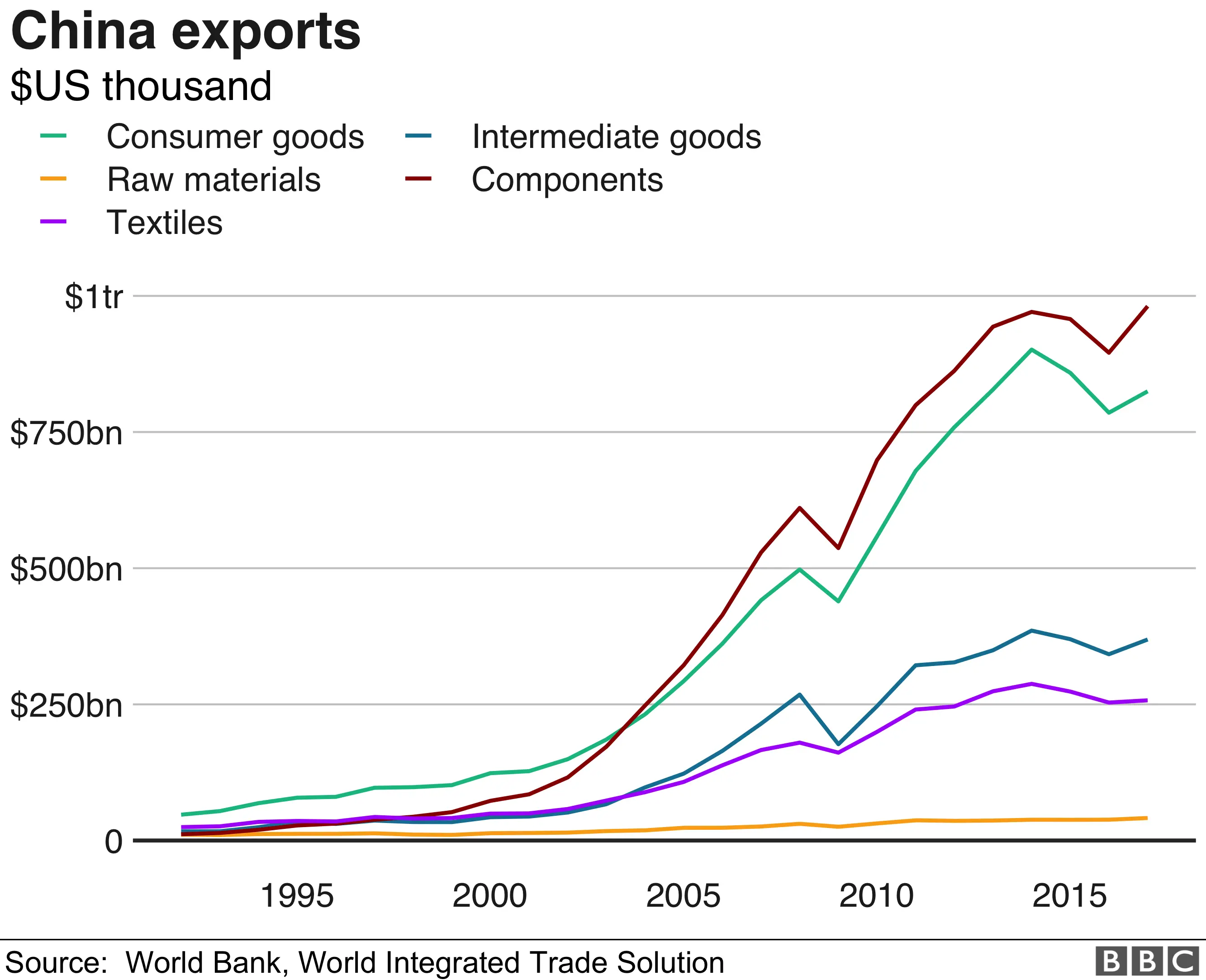
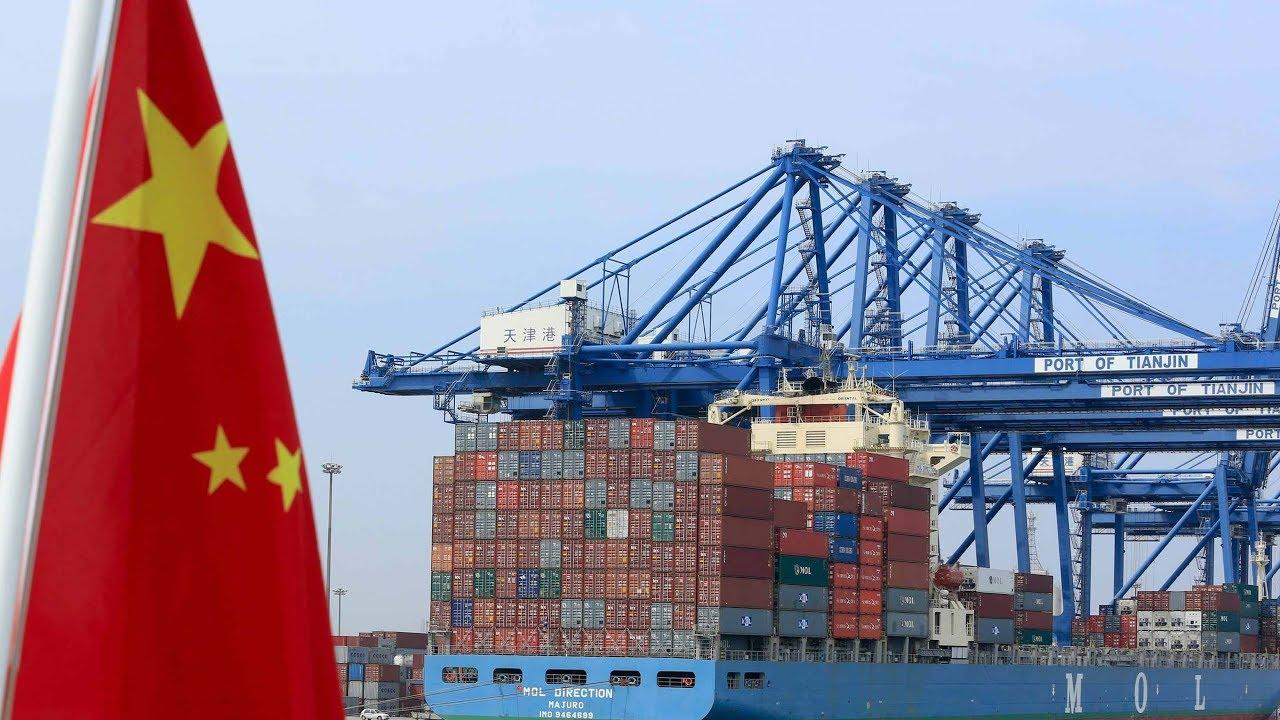
As the U.S. presidential election draws near, Chinese exporters are preparing for a potential shift in trade policies, particularly if Donald Trump returns to the White House. Mike Sagan, vice-president of supply chains at KidKraft, a toy-making company, plans to halve his China-based supply chain within a year if Trump wins, in response to the potential imposition of 60% tariffs on Chinese goods. This significant increase in tariffs is seen as a game-changer for many companies reliant on Chinese manufacturing.

Trump’s initial tariffs in 2018, which ranged from 7.5% to 25%, already prompted some firms, including KidKraft, to move production to countries like Vietnam and India. However, a new round of tariffs could further disrupt supply chains, leading to higher production costs and prices for U.S. consumers. Sagan notes that moving production outside of China is costly and comes with concerns over quality control, but the need to diversify supply chains is becoming urgent.

The sentiment is echoed by many other Chinese exporters. Of the 27 Chinese companies Reuters interviewed, 12 plan to accelerate relocation if Trump is re-elected, while others are considering opening overseas factories. Higher tariffs are expected to negatively impact Chinese exporters by shrinking profits, disrupting supply chains, and exacerbating the country’s ongoing economic challenges.

Matt Cole, co-founder of m.a.d Furniture Design, also expresses concern about the potential tariff increases. Though he hasn’t yet moved his production out of China, he is contemplating relocating to Southeast Asia if Trump wins. Cole’s hesitation stems from the fact that even after moving, many components would still need to be sourced from China, making the shift less cost-effective.

Picture background

Tariff Impact and Global Supply Chains

The 2018 tariffs, though beneficial for Southeast Asia as an assembly hub, did not significantly damage China’s overall economic growth or global manufacturing dominance. In fact, China has grown its share of global manufacturing as it redirected resources into factory production. However, the looming threat of 60% tariffs could have a more profound impact, especially on exporters operating with thin margins.

For instance, Zeng Zhaoliang, head of Guangzhou Liangsheng, which exports 30-40% of its cookers to the U.S., says a 60% tariff would be devastating. Many companies, like GL Wholesale, which has already lost 40% of its business since Trump’s presidency, are scouting alternative suppliers in countries like India and Vietnam. But even these regions are raising their prices, further complicating the situation.

The potential tariffs would not only hurt Chinese industries such as electric vehicles, solar panels, and batteries, but they also pose a risk to global supply chains. Trump’s aggressive stance on trade has caused Chinese companies to rethink their production strategies, with some opting to build factories overseas in anticipation of further global trade challenges.

China’s Response and Economic Outlook

Should Trump implement a new wave of tariffs, economists predict it could reduce Chinese economic growth by 0.4-0.7 percentage points in 2025 due to decreased investment and output cuts. In response, Beijing could deploy stimulus measures, export controls, or currency devaluation, but these steps carry their own risks, including debt accumulation and potential capital flight.

Most Chinese exporters hope Trump would moderate his stance on trade if he wins the presidency again. However, they acknowledge that further tariffs could severely impact their ability to operate. For instance, Yang Qiong, an executive at Chongqing Hybest Tools Group, states that her company would expand its facilities in Vietnam if Trump returns to office.

Experts warn that a second Trump term could disrupt China’s near-term economic growth and further challenge the global economic order that has benefited China. In contrast, Kamala Harris’s approach, while still expected to confront China on trade issues, is perceived as potentially less aggressive, allowing for a more measured response.

Conclusion

As the U.S. election nears, Chinese exporters are bracing for a potentially turbulent trade environment. While Trump’s return to power could lead to higher tariffs and significant supply chain shifts, a Harris presidency may offer a more tempered approach. Regardless, the prospect of further trade conflict underscores the need for companies to diversify their supply chains and adapt to an increasingly volatile global economic landscape.