Yazılar

India Rules Out Joining RCEP, Cites Concerns Over China’s Trade Practices

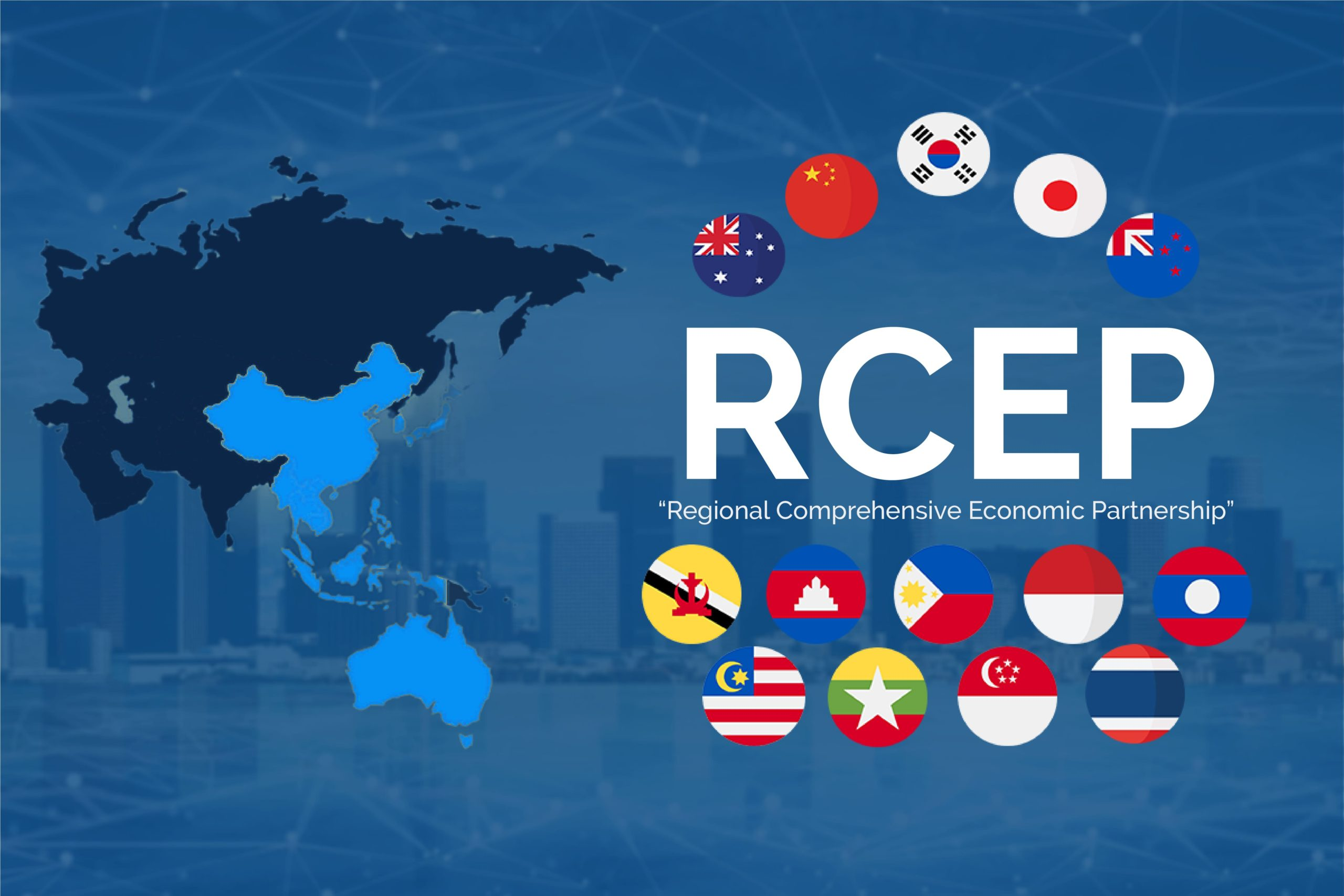
India’s Minister of Commerce and Industry, Piyush Goyal, has ruled out the country joining the Regional Comprehensive Economic Partnership (RCEP), the world’s largest trade deal, citing concerns over China’s trade practices. In an interview with CNBC, Goyal emphasized that it is not in India’s best interest to engage in a free trade agreement with China, which he described as a “non-transparent economy” with “very opaque” trade policies.

RCEP, which includes 15 Asia-Pacific nations, was signed in 2020 and came into force in 2022. India initially participated in the negotiations but withdrew in 2019 due to unresolved “core interest” issues. Goyal explained that the trade deal did not serve the interests of India’s farmers and small industries and was essentially a free trade agreement with China. He also accused China of exploiting World Trade Organization policies to flood markets with cheap goods, often of substandard quality.

China has been exporting large quantities of goods, from solar panels to steel, as its economy has slowed, leading to a surge of cheap exports in global markets. Goyal argued that India cannot compete against such non-transparent practices, which differ fundamentally from those of democratic nations.

India’s Semiconductor Ambitions
In addition to discussing trade, Goyal outlined India’s ambitions to become a hub for semiconductor manufacturing, positioning itself as a “Taiwan Plus One” country. India aims to capitalize on the growing demand for semiconductors, projected to reach $100 billion by 2030, by attracting foreign investment and building a robust ecosystem for chip manufacturing.

Prime Minister Narendra Modi has already inaugurated three semiconductor plants, and India has plans to expand its semiconductor industry further. Goyal highlighted India’s advantages, including its large population, democratic governance, and adherence to the rule of law, making it an attractive alternative for companies looking to diversify away from Taiwan.

India’s strategy involves forming partnerships with major semiconductor-producing nations like the U.S. and offering incentives, such as a $10 billion program for foreign companies willing to invest in the country. Goyal believes India’s size, youthful population, and stable legal framework make it a “compulsive case” for investment, as businesses seek to reduce their reliance on any single region for chip production.
Russia’s Circumvention of Sanctions: Billions in Dollar and Euro Banknotes Flow Despite Western Restrictions

Despite the extensive sanctions imposed by the United States and the European Union following Russia’s invasion of Ukraine in 2022, approximately $2.3 billion in U.S. dollar and euro banknotes have been shipped to Russia, according to customs data. This substantial inflow of foreign currency, largely facilitated by countries such as the UAE and Turkey that have not restricted trade with Russia, underscores how Moscow has managed to navigate around the Western financial restrictions.

The data reveals that Russia, while publicly condemning the U.S. dollar and the euro as “toxic” due to sanctions, continues to rely heavily on these currencies for various transactions, including trade and travel. This dependence on foreign currency is evidenced by the significant demand among Russians for dollar and euro banknotes, especially for international trips and small imports. Despite the sanctions, Russia’s central bank has maintained tight controls on foreign currency outflows to support the weakening ruble, with only $98 million leaving the country between February 2022 and December 2023, compared to the billions flowing in.

Among the largest importers of this foreign cash is Aero-Trade, a company specializing in duty-free shopping services. The company declared around $1.5 billion in foreign currency imports during the sanctions period, with shipments processed through Moscow’s Domodedovo airport. However, the specific sources and recipients of this cash remain unclear, raising questions about the nature of these transactions.

Moreover, Russian banks have played a significant role in these cash imports, often using precious metals like gold and silver to facilitate these transactions. For instance, Vitabank, a Russian lender, imported $64.8 million in banknotes from Turkish gold trading firm Demas Kuyumculuk and exported almost equivalent amounts of gold and silver to the same company. These transactions highlight how Russia and its trading partners have adapted to the sanctions by relying on tangible assets such as precious metals to settle debts, circumventing traditional financial channels.

The data also indicates that entities connected to Rostec, a state-owned military-industrial conglomerate under U.S. sanctions, have been involved in importing significant amounts of foreign currency. However, the exact nature of these transactions remains opaque.

In summary, despite facing stringent financial sanctions, Russia has successfully continued to import billions in dollar and euro banknotes, with the help of international partners and by leveraging alternative assets like gold. This ongoing flow of foreign currency suggests that, while sanctions have disrupted Russia’s access to the global financial system, they have not entirely severed its ties to the international currency market.