
Yazılar

Cerebras IPO Delayed as US National Security Review Continues

Cerebras Systems, a California-based AI chipmaker, has experienced further delays in its highly anticipated IPO due to an ongoing national security review by the Committee on Foreign Investment in the United States (CFIUS), sources familiar with the matter confirmed. The delay comes as the company waits for the White House to fill key positions and for CFIUS to conclude its review of a $335 million investment from Abu Dhabi-based cloud computing and AI company G42.

The delay marks a significant hurdle for Cerebras, which has been seeking to go public despite the uncertainty surrounding the approval of G42’s investment. G42’s past ties to China, particularly its connection to Huawei, have drawn scrutiny in Washington. However, the deal had appeared poised for approval late last year before the change in U.S. leadership.

CFIUS, which reviews foreign investments for national security risks, remains cautious about deals involving foreign companies with Chinese links. With the Biden administration’s expansion of CFIUS enforcement, corporate executives have found the regulatory environment less conducive to dealmaking than initially expected.

Despite the ongoing review, Cerebras executives remain optimistic that the investment will eventually be approved, and they intend to proceed with the IPO once the regulatory process is completed. The company’s valuation has nearly doubled since G42’s investment commitment last year, and the IPO remains a crucial step for Cerebras in securing funding for its future growth.
FCC Investigates Chinese Tech and Telecom Firms for Potential Evasion of US Restrictions

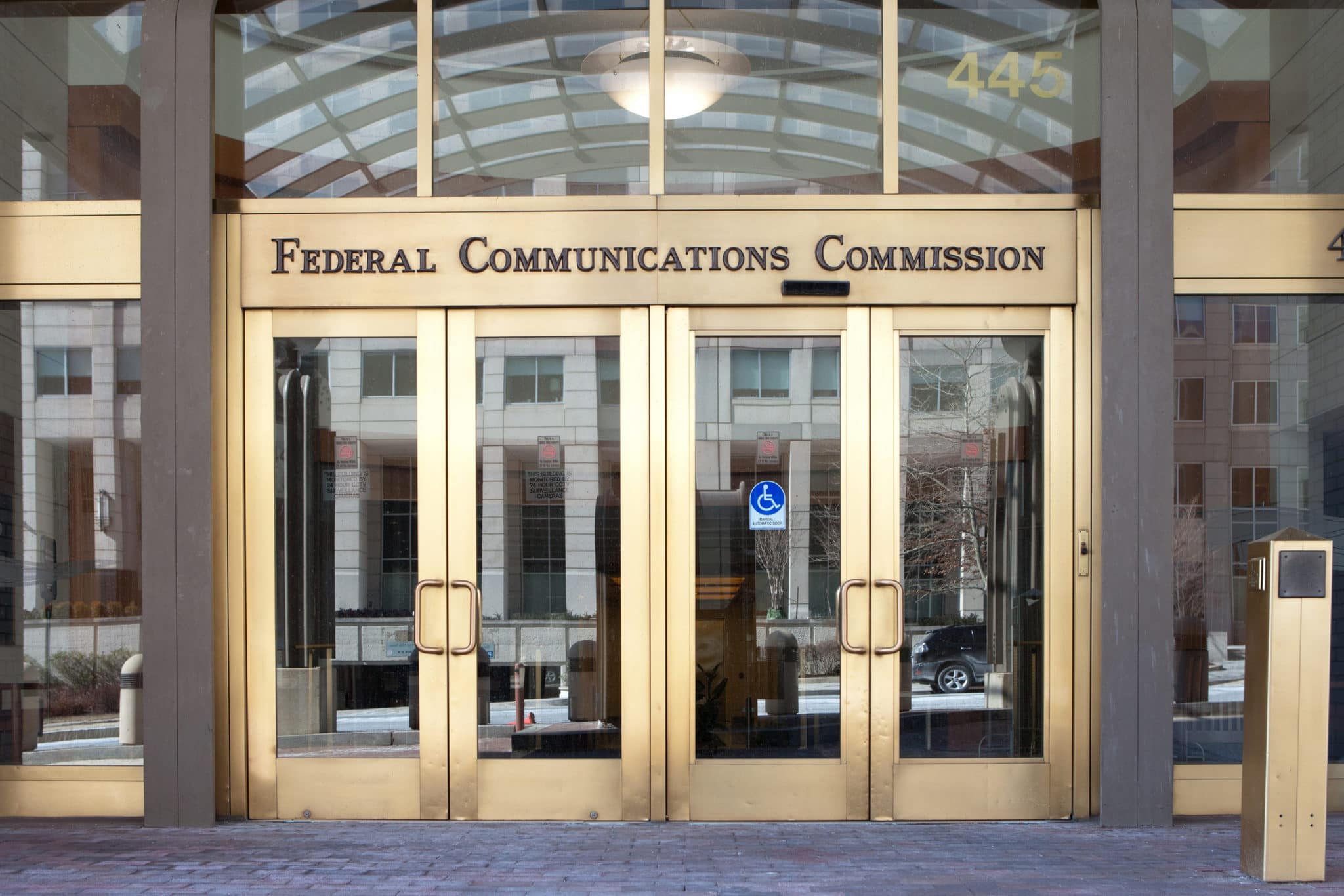
The Federal Communications Commission (FCC) has launched an investigation into nine Chinese companies, including Huawei Technologies, ZTE, Hangzhou Hikvision, China Mobile, China Telecom, and others, to determine whether they are attempting to circumvent U.S. restrictions. These companies are currently listed on the FCC’s “Covered List,” which designates certain communications equipment and services as national security threats.

FCC Chair Brendan Carr stated that the companies may still be operating in the U.S. due to their belief that the FCC’s restrictions do not prohibit certain types of operations. Other companies under scrutiny include Hytera Communications, Dahua Technology, Pacifica Networks/ComNet, and China Unicom (Americas). This investigation is the latest move in a broader U.S. effort to combat perceived national security risks posed by Chinese telecom and technology firms.

The FCC has already barred these companies from providing telecommunications services in the U.S. due to national security concerns. However, Carr expressed concerns that some of the firms may be continuing business in America through private or “unregulated” channels. The FCC is investigating whether these companies are evading the restrictions and is taking steps to close any potential loopholes.

The agency has sent Letters of Inquiry and at least one subpoena to the companies, seeking detailed information about their ongoing activities in the U.S. and any potential assistance from other companies aiding their operations. Last year, the FCC also took steps to enhance the security of the Border Gateway Protocol (BGP) after U.S. agencies accused China Telecom of exploiting BGP vulnerabilities to misroute U.S. internet traffic.

Nvidia to Invest Billions in U.S. Chip Production Over Four Years

Nvidia (NVDA.O) plans to invest hundreds of billions of dollars in U.S.-made chips and electronics over the next four years, CEO Jensen Huang told the Financial Times. The company expects to spend around $500 billion on electronics during this period, with a substantial portion allocated to domestic manufacturing.

Huang emphasized that the U.S. AI industry could expand more rapidly with support from government policies. His comments come as Nvidia seeks to address investor concerns about demand for its high-cost AI chips, especially following the emergence of China’s DeepSeek chatbot as a potential competitor.

While Nvidia declined to comment on the FT report, Huang stated that the company can now manufacture its latest systems in the U.S. through key suppliers like Taiwanese chipmakers TSMC (2330.TW) and Foxconn (2317.TW). He also noted an increasing competitive threat from China’s Huawei.

Huang highlighted that TSMC’s U.S. investments significantly strengthen Nvidia’s supply chain resilience. Earlier, at Nvidia’s developer conference in California, he told analysts that orders for 3.6 million Blackwell AI chips from four major cloud firms likely underestimate actual demand, as they do not account for customers such as Meta Platforms (META.O), smaller cloud providers, and startups.