Yazılar

U.S. Lawmakers Call for Scrutiny of Baicells, Chinese Telecom Firm

Baicells, a Chinese telecom hardware manufacturer founded by former Huawei employees, is facing heightened scrutiny from U.S. lawmakers over national security concerns. John Moolenaar, the top Republican on the House Select Committee on China, emphasized the need for rigorous government oversight of Baicells, citing potential cyber vulnerabilities in the company’s products. He warned that any presence of such companies in U.S. networks, particularly in sensitive areas, should raise significant national security alarms.

Despite Baicells’ reassurances that its products do not pose security risks, the company is under investigation by the FBI and the U.S. Department of Commerce. The company has provided base stations and routers to more than 700 U.S. networks, including those near military installations. The U.S. Cybersecurity and Infrastructure Security Agency (CISA) has flagged Baicells’ firmware for cyber vulnerabilities, further raising concerns.

Baicells’ chairman, Sun Lixin, defended the company by stating that all tech companies, regardless of their size, continuously release updates to address security vulnerabilities. He also expressed willingness to cooperate with U.S. inquiries.

The scrutiny of Baicells is part of a broader concern in Washington over the potential for Chinese-linked companies to compromise U.S. telecommunications networks. U.S. officials have warned that China-linked suppliers, including state-backed hacking groups like “Volt Typhoon,” could exploit network vulnerabilities for espionage.

Democratic leaders in Congress, including Frank Pallone and Mark Warner, have called for greater accountability and quicker responses to national security risks posed by foreign adversaries in U.S. telecom networks. They argue that focusing on individual companies without addressing systemic risks is insufficient to protect critical infrastructure.

 

Huawei Nova 13i Launched with 108MP Rear Camera and 5,000mAh Battery: Price and Specs Revealed

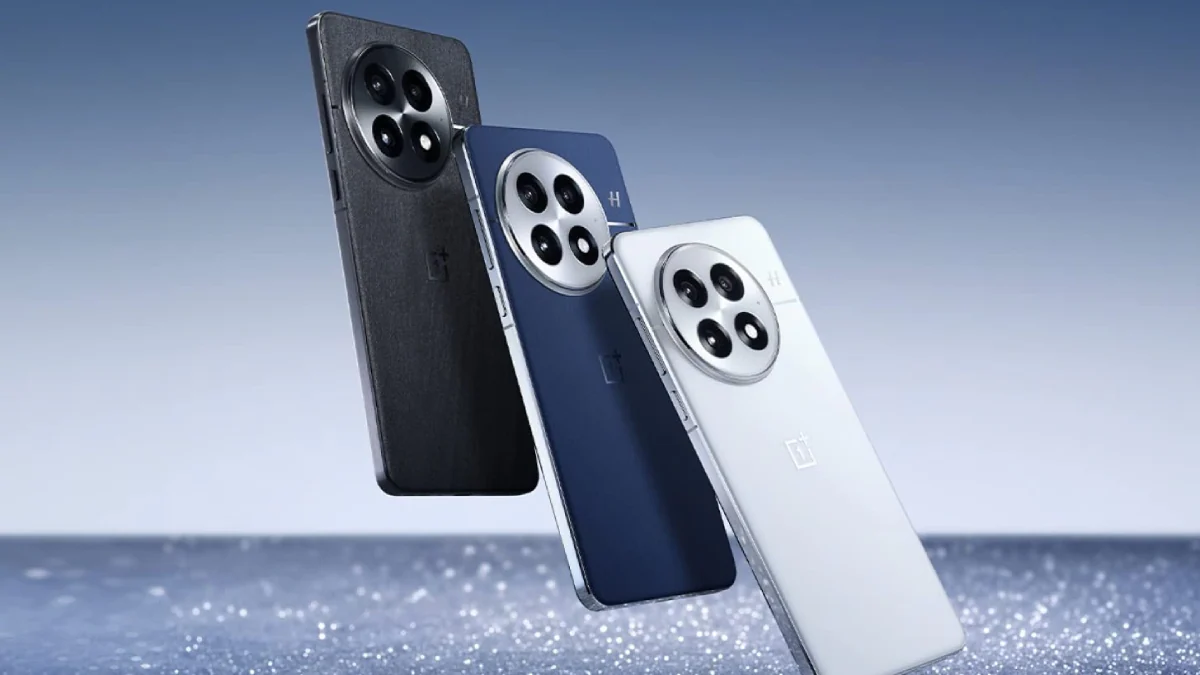
Huawei has quietly unveiled the Nova 13i, expanding its Nova 13 series, which was first introduced in China in October 2024 and made its way to select global markets in December. The Nova 13i is now available in select regions, offering impressive specifications at an affordable price point. The smartphone is equipped with a 108-megapixel rear camera, a Snapdragon 680 chipset, and a large 5,000mAh battery with 40W fast charging support. Running on Huawei’s EMUI 14.2, based on Android, the Nova 13i is designed to offer a smooth and feature-rich experience for users looking for a powerful mid-range smartphone.

The Huawei Nova 13i is priced at MXN 5,999 (approximately Rs. 25,200) for the 8GB RAM + 256GB storage variant. The 128GB variant’s pricing is yet to be disclosed. Currently, the device is available for purchase in Mexico and Myanmar through the company’s regional websites. The smartphone is offered in two appealing color options: Blue and White, providing users with a choice that matches their style preferences.

In terms of design and display, the Huawei Nova 13i features a 6.7-inch full-HD+ LCD screen with a resolution of 1,080 x 2,388 pixels. It supports a 90Hz refresh rate for smooth scrolling and up to a 270Hz touch sampling rate, which should provide responsive interactions. Additionally, the Always-On Display feature ensures users can quickly check notifications without unlocking the phone. The Nova 13i is powered by the Snapdragon 680 chipset, which is paired with 8GB of RAM, ensuring reliable performance for most tasks, whether browsing, gaming, or multitasking.

Other key features of the Huawei Nova 13i include the 108MP rear camera, which promises high-quality photography with detailed images, and the 5,000mAh battery, which offers long-lasting performance for a full day of use. With the inclusion of 40W fast charging, users can quickly recharge their device and minimize downtime. Overall, the Huawei Nova 13i offers a solid package of features and performance, making it an appealing choice for those seeking a value-for-money smartphone with impressive specifications.

Taiwan’s Exclusion from US AI Export Curbs Seen as a Vote of Confidence

Taiwan’s government expressed confidence on Wednesday after being excluded from the new U.S. restrictions on artificial intelligence (AI) chip and technology exports. The U.S. recently announced tighter controls on AI exports, aiming to maintain dominance in advanced computing technologies within the United States and among its allies.

Details of the New U.S. Export Curbs

The new U.S. regulations, introduced on Monday, limit the export of AI chips to most countries, while maintaining a block on exports to adversarial states such as China, Russia, Iran, and North Korea. However, Taiwan, along with other close U.S. allies, was granted “tier one” status, allowing unlimited access to U.S. AI technology.

Taiwan’s Confidence in Compliance

Taiwan’s Economy Ministry highlighted that the inclusion of the island in the “tier one” category should reassure both local and international stakeholders about the government’s control and adherence to international laws. The ministry emphasized that Taiwan had consistently invited U.S. officials and industry professionals to collaborate with local companies to ensure understanding and compliance with relevant regulations.

Taiwan’s Role in the Global Semiconductor Supply Chain

Taiwan is home to Taiwan Semiconductor Manufacturing Company (TSMC), the world’s largest contract chipmaker and a key supplier of chips for AI leaders such as Nvidia. The Taiwanese government, mindful of pressure from Beijing—who claims the island as its territory—has established stringent export controls to China and has pledged to enforce U.S. restrictions. In 2023, TSMC halted shipments to the Chinese company Sophgo after one of its chips was found in a Huawei AI processor, which violated U.S. sanctions.

U.S.-China Tensions and Taiwan’s Strategic Position

As tensions continue between the U.S. and China, particularly over AI technologies and national security concerns, Taiwan’s role in the semiconductor supply chain becomes increasingly critical. The island’s exclusion from the U.S. export restrictions reflects its strategic importance and the trust placed in it by the U.S. and other Western nations.