Yazılar

Tesla’s U.S. EV Market Share Falls Below 40% for First Time Since 2017

Tesla’s U.S. market share dropped to 38% in August, its lowest level since 2017, as rivals gained ground with aggressive incentives and fresh EV lineups, according to exclusive data from Cox Automotive shared with Reuters. The milestone marks the first time Tesla has fallen below the 40% threshold since it was ramping production of the Model 3 eight years ago.

Tesla once commanded more than 80% of the U.S. EV market, but legacy automakers like Hyundai, Kia, Toyota, Honda, and Volkswagen are surging with competitive offerings, boosted by discounts, lease deals, and federal tax credit urgency. In July, rival EV sales climbed between 60% and 120%, while Volkswagen’s ID.4 deliveries jumped over 450% month-over-month.

By contrast, Tesla’s sales grew just 3.1% in August, well below the market’s 14% growth. Even with sales rising 7% in July, Tesla’s share fell sharply to 42% from 48.7% in June—the steepest drop since 2021.

Analysts warn the decline reflects Tesla’s aging lineup and its pivot away from new mass-market EVs toward robotaxis and humanoid robots. Its last major launch, the Cybertruck (2023), failed to replicate the blockbuster success of the Model 3 or Model Y. A refresh of the Model Y also fell flat with buyers.

Cox’s director of industry insights Stephanie Valdez Streaty put it bluntly: “When you’re a car company, when you don’t have new products, your share will start to decline.”

Tesla’s shrinking share comes as its board is asking investors to approve a $1 trillion pay package for Elon Musk, contingent on Tesla reaching a $8.5 trillion valuation. Meanwhile, Musk’s political entanglements with and later break from Donald Trump have added to brand challenges.

With EV tax credits set to expire at the end of September, Tesla faces a dilemma: cut prices further to chase volume and risk margins, or hold prices and cede market share. Investors and competitors alike will be watching closely as the U.S. EV market enters a decisive phase.
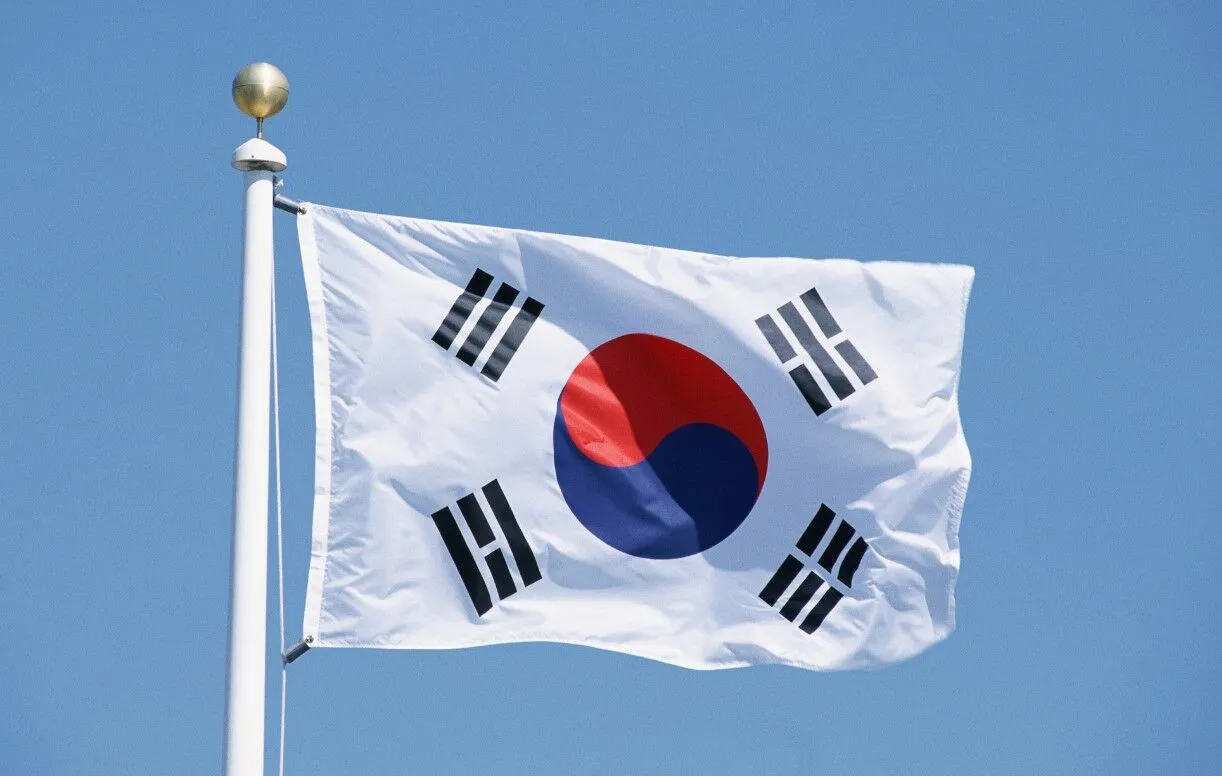
South Korea’s President Lee Vows Regulatory Easing and Tariff Talks to Support Trade

South Korean President Lee Jae-myung pledged on Friday that his administration would ease regulations and accelerate working-level tariff negotiations with Washington, as part of a broader effort to support South Korean businesses facing international trade challenges.

Speaking at a meeting with leaders of the country’s top conglomerates, President Lee emphasized that his government would work to minimize the difficulties companies encounter in global competition and help them expand their economic footprint. The gathering included prominent figures such as Samsung Electronics Chairman Jay Y. Lee and Hyundai Motor Group Executive Chair Euisun Chung.

“Our companies are struggling with international competition,” Lee told the business leaders, adding that his administration would adopt a “pragmatic, flexible” trade policy focused on national interests. His spokesperson, Kang Yu-jung, confirmed that Lee intends to expedite discussions on tariffs with Washington.

Since his election on June 3, Lee — a liberal who campaigned on a business-friendly platform — has prioritized economic issues, especially in light of South Korea’s export-driven economy. Key sectors such as semiconductors, automobiles, and shipbuilding are heavily reliant on global trade, making ongoing negotiations with the United States especially critical.

During the meeting, Lee invited executives to provide input on trade challenges. SK Group Chairman Chey Tae-won, who also heads the Korea Chamber of Commerce, voiced concerns about the uncertainty surrounding U.S. tariffs, which complicates corporate decision-making. Samsung’s Lee expressed hope that close cooperation between the government and private sector would help South Korea navigate what he described as a “multi-dimensional crisis.”

The U.S.-South Korea alliance also remains a focal point. On the same day, Seoul’s deputy minister for economic affairs Kim Hee-sang met with Sean O’Neill, a senior U.S. State Department official, to reaffirm bilateral cooperation. O’Neill emphasized opportunities to deepen collaboration in shipbuilding, economic security, and mutual investment.

The tariff negotiations come after President Lee and U.S. President Donald Trump agreed last week to work toward a swift deal during their first phone call since Lee assumed office.

Meanwhile, South Korea’s industry ministry announced plans to evaluate the impact of U.S. tariffs on domestic manufacturers, particularly in the home appliance sector, and to prepare targeted support measures.

Autonomous Truck Startup Plus to Go Public in $1.2 Billion SPAC Deal Backed by Michael Klein

Plus Automation, a self-driving truck startup, announced it will go public in the U.S. through a $1.2 billion merger with special purpose acquisition company (SPAC) Churchill Capital Corp IX, supported by seasoned Wall Street dealmaker Michael Klein. The transaction will provide Plus with $300 million in proceeds aimed at funding the commercial launch of its autonomous trucks scheduled for 2027.

The commercialization of autonomous trucking is accelerating, with industry players moving from ambitious promises to more cautious, incremental progress. U.S. truck operators, who handle most of the country’s freight, are increasingly adopting automation technologies to reduce costs amid driver shortages and rising demand for faster deliveries.

Regulatory changes are also aiding the adoption of self-driving trucks. The Trump administration had proposed exemptions from certain safety requirements and eased incident reporting rules, while in April, California suggested allowing testing of self-driving heavy-duty trucks and other large vehicles on public roads.

Plus’s new SPAC deal marks a comeback after a previous $3.3 billion blank-check merger plan was canceled more than four years ago during the SPAC boom. This time, the company is opting for a more modest valuation and funding amount.

Industry experts highlight that SPAC mergers offer a faster and often less expensive path to going public compared to traditional IPOs, which can be costly and complex.

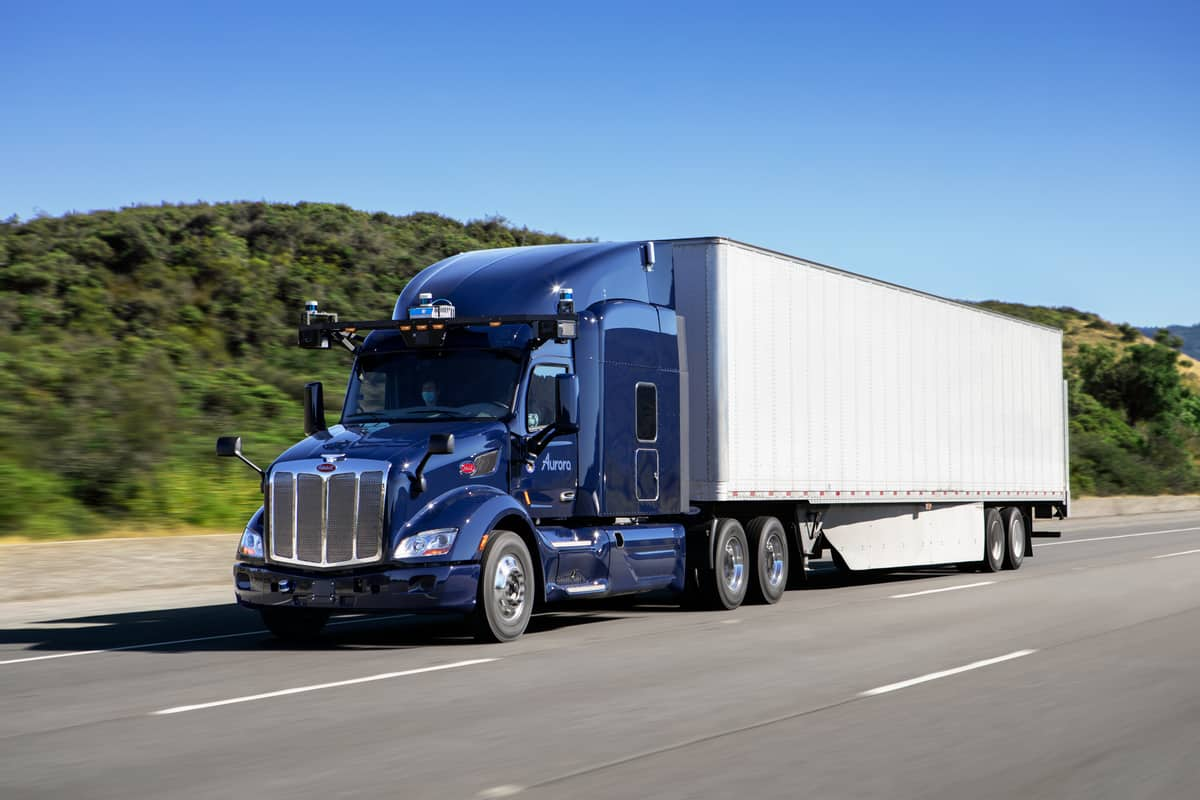
Hyundai is among Plus’s customers, and the startup is currently conducting public road tests in Texas and Sweden, with additional fleet trials planned for fall 2025. Other players like Uber-backed Aurora Innovation are also testing self-driving trucks in Texas.

The deal is expected to close in the fourth quarter of 2025.