Yazılar

Hyundai Plans to Deploy Humanoid Robots at U.S. Factory Starting in 2028

Hyundai Motor Group said it plans to begin deploying humanoid robots at its U.S. manufacturing plant in Georgia from 2028, marking a major step toward automating higher-risk and repetitive factory tasks.

The company unveiled the production version of the Atlas humanoid robot — developed by its subsidiary Boston Dynamics — at the Consumer Electronics Show. Hyundai did not disclose costs or volumes but said it ultimately aims to roll out the robots across all its manufacturing sites as part of its push into “physical AI.”

Atlas robots will initially handle parts sequencing from 2028, with duties expanding gradually as safety and quality benefits are validated. By 2030, Hyundai expects the robots to move into component assembly and, over the longer term, take on heavy-load, repetitive and complex tasks.

Hyundai said the robots are designed to reduce physical strain on workers and improve safety. Atlas can lift up to 50 kilograms, operate autonomously and function in industrial environments ranging from minus 20 to 40 degrees Celsius.

The company added that it is accelerating development through partnerships with AI leaders such as Nvidia and Google, as humanoid robots are expected to become a key segment of the emerging physical AI market.

Nvidia to Supply Over 260,000 Blackwell AI Chips to South Korea

Nvidia, the U.S. semiconductor leader, announced it will deliver more than 260,000 of its latest Blackwell AI chips to South Korea’s government and major conglomerates, including Samsung Electronics, SK Group, Hyundai Motor Group, and Naver. The move solidifies South Korea’s position as an emerging artificial intelligence powerhouse in Asia.

The agreement follows a meeting between Nvidia CEO Jensen Huang, South Korean President Lee Jae Myung, and leading business figures on the sidelines of the Asia-Pacific Economic Cooperation summit in Gyeongju. While the deal’s value and delivery schedule were not disclosed, Huang highlighted that just as Korea has led in producing ships, cars, and semiconductors, it can now “export intelligence” to the world through AI.

South Korea’s government plans to use over 50,000 of the chips to enhance its AI infrastructure, while Samsung, SK Group, and Hyundai will each deploy up to 50,000 chips in smart factories and autonomous systems. Internet giant Naver will purchase 60,000 chips to boost its computing power for projects like the National AI Computing Center.

Amid ongoing U.S.-China trade tensions that have restricted Nvidia’s access to the Chinese AI chip market, the company is expanding its footprint in alternative markets such as South Korea. The partnership reinforces Nvidia’s role in driving global AI advancement, particularly in industries such as manufacturing, robotics, and autonomous driving.

Trump’s EV rollback rattles America’s Battery Belt economy

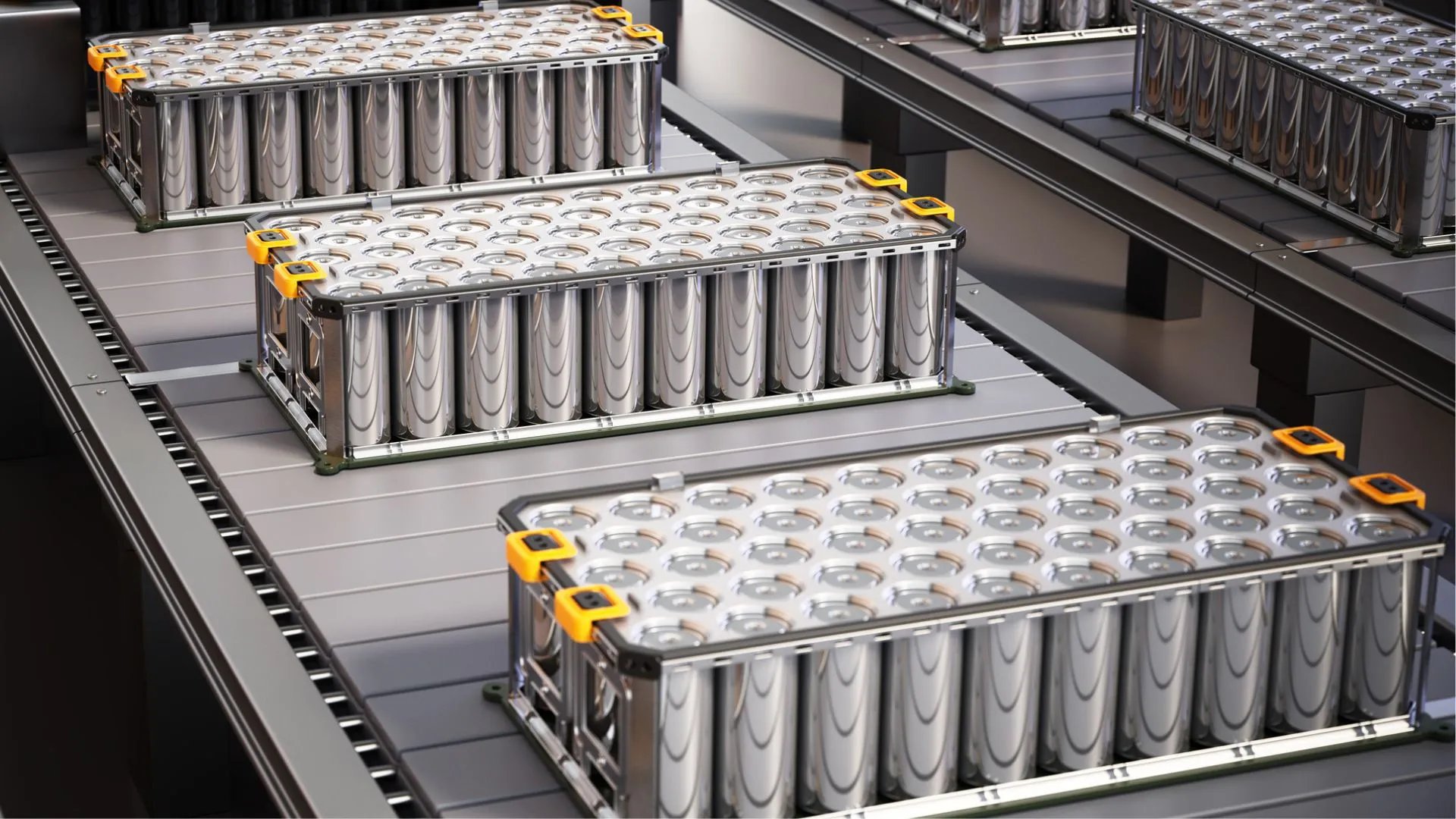
The U.S. Battery Belt — a stretch of billion-dollar electric vehicle and battery factories from Georgia to Indiana — is feeling the shockwaves of President Donald Trump’s EV policy shift, as automakers delay projects and rural communities brace for economic fallout.

In Stanton, Tennessee, population 450, Ford’s vast EV truck and battery complex once promised 6,000 jobs and a revival of the local economy. But after repeated delays, initial production has been pushed back to 2027, two years later than planned. Former mayor Allan Sterbinsky said locals now worry Ford might abandon or repurpose the 3,600-acre site entirely.

The slowdown reflects waning U.S. demand for electric cars after Trump allowed a $7,500 EV tax credit to expire on Sept. 30, a move Ford’s CEO Jim Farley warned could halve electric car sales. Analysts say this and other anti-EV measures have jeopardized projects across the South and Midwest.

A Reuters review of U.S. battery-investment plans found that even if all planned plants go forward, the country could face a glut of capacity. By 2030, factories could produce batteries for 13–15 million EVs, while demand may cover only a quarter of that, or about 3 million units, according to Benchmark Mineral Intelligence.

Some excess output could be redirected to hybrids or energy storage, but experts warn many facilities may go underutilized. “Much of what was originally going to benefit from these credits now no longer can,” said Jennifer Stafeil of KPMG.

Still, some companies press ahead. Hyundai’s $12.6 billion EV and battery complex in Georgia remains on track despite a federal investigation delay, and will employ 8,500 workers by 2031, according to local officials.

For towns like Stanton, however, the optimism of the EV boom has faded into uncertainty. “That’s on everybody’s mind,” said Sterbinsky. “We built our future around this.”