Yazılar

Harris Courts Black and Latino Voters Amid Trump’s Gains

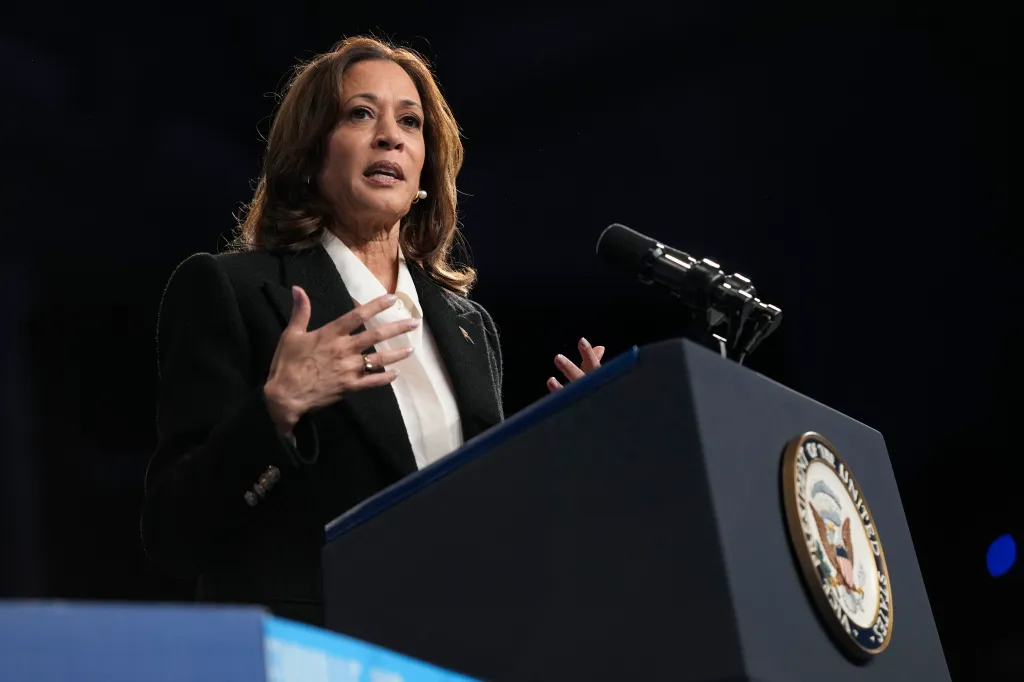
As the U.S. presidential election approaches, Vice President Kamala Harris is intensifying her outreach to Black and Latino voters, recognizing the critical role these demographics play in determining the election’s outcome. Recent polling indicates a shift, with Donald Trump making inroads among these voters, despite Harris’s initial strong support.

A New York Times/Siena poll reveals that Harris commands about 78% support from Black voters, a notable decrease from the near 90% historically achieved by Democrats. This decline is particularly pronounced among Black men, raising alarms about voter turnout as the election date nears.

Key States and Economic Concerns

In battleground states like Arizona, where nearly 25% of voters are expected to be Latino, and Georgia, where Black voters make up about 30% of the electorate, the stakes are high. Economic issues, especially inflation and living costs, dominate the concerns of Black and Latino voters. Many express dissatisfaction with the current economic climate, which has pushed some to consider supporting Trump.

Quenton Jordan, a Virginia resident who previously voted for Barack Obama, now backs Trump, citing the tangible struggles posed by inflation. “It’s making it harder for me,” he noted, highlighting how economic pressures can influence voter sentiment.

Trump’s Appeal: Economic and Social Issues

In Nevada, a state with a significant Latino population, residents like Lydia Dominguez report that many Latinos now view Trump more favorably, recalling the economy’s performance during his presidency. She emphasized that concerns about affordability have diminished the stigma around supporting Trump among her community.

Even some voters leaning toward Harris acknowledge that economic issues are compelling many to shift their support. Diego Arancivia, a former Republican in Nevada, stated that economic concerns alone could lead community members to vote for Trump, despite their personal feelings about him.

Immigration and Border Security

Concerns surrounding immigration and the U.S.-Mexico border further complicate the electoral landscape. Many Black and Latino voters feel the Biden administration’s handling of border security has been inadequate, making Trump’s hardline stance appealing. Rolando Rodriguez, a former Democrat and Trump supporter from Texas, described the situation at the border as unprecedented, emphasizing the challenges it poses to local communities.

Jordan echoed these sentiments, asserting that resources should prioritize longstanding needs in the Black community rather than being diverted to assist migrants. This perspective aligns with Trump’s rhetoric, as he has framed immigration as an “invasion” negatively affecting both Black and Latino communities.

Shifts in Social Views

Political science professor Quardricos Driskell highlights a perceived disconnect between the Democratic Party’s social agendas and the values of some Black male voters. Many feel that their views on masculinity and social issues are being overlooked by Democrats. Clarence Pauling, a barbershop owner in South Carolina, noted that he finds the Republican Party’s stance more aligned with his religious beliefs regarding gender and sexuality.

Harris’s Response and Strategies

In response to these challenges, Harris is ramping up her campaign efforts, unveiling an “opportunity agenda for Black men” and engaging with Black entrepreneurs in key swing states. She is also set to speak with influential figures in the Black community, such as radio host Charlamagne Tha God.

As Trump actively courts Black and Latino voters during town hall events, he boasts of improving polling numbers within these demographics, suggesting a shift in the political landscape that Harris must urgently address to galvanize voter turnout in November.
Defector Detained After Attempting to Return to North Korea on Stolen Bus

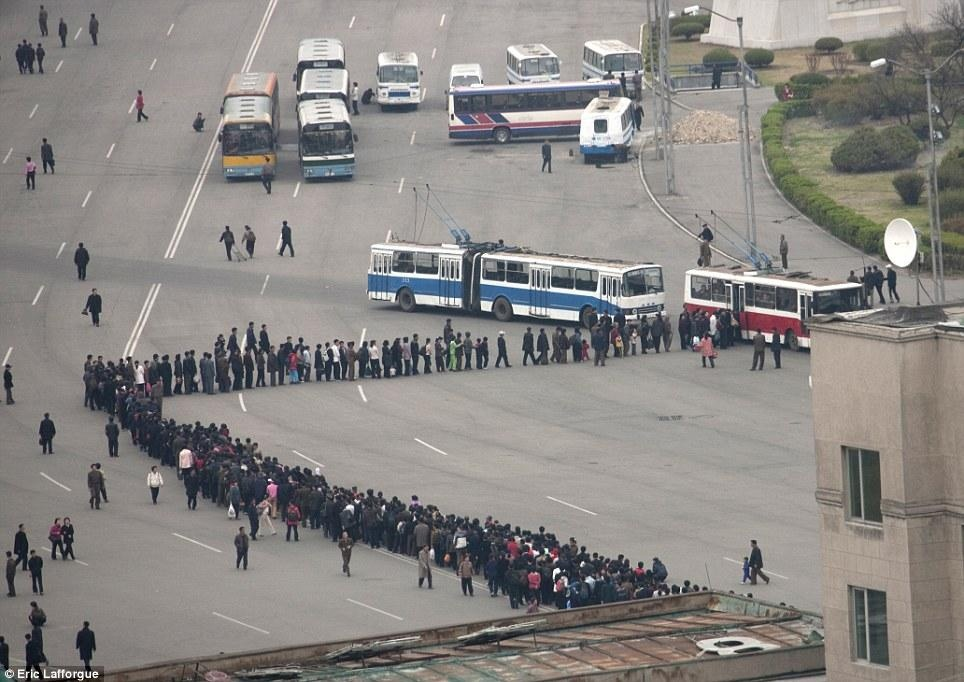
South Korean police have arrested a North Korean defector who attempted to return to North Korea by stealing a bus and crashing it into a barricade on the heavily fortified Unification Bridge, which separates the two Koreas. The incident occurred on Tuesday when the man, in his 30s, disregarded soldiers’ orders to stop and drove the bus into a barrier.

This unusual case stands out, as while approximately 34,000 North Koreans have defected to South Korea since the division of the Korean peninsula over 70 years ago, incidents of defectors trying to return to the North are rare. According to South Korean media, the defector expressed a desire to go back home due to difficulties he faced while living in the South. He had originally left North Korea about a decade ago.

The man reportedly stole the bus from a garage in Paju around 1:00 AM local time on Tuesday and was apprehended just 30 minutes later. Surveillance footage revealed him wearing a hat as he attempted to unlock several vehicles before successfully entering the bus. At the time of the incident, authorities found no evidence that he was under the influence of alcohol or drugs.

Having worked as a day laborer in Paju and other cities, the defector mentioned to police that he had accumulated several unpaid fines, contributing to his decision to return to North Korea. Under South Korean law, crossing the border to North Korea without government permission is prohibited, and defectors are automatically granted citizenship. Offenders face imprisonment of up to ten years if convicted.

While South Korea receives over 1,000 defectors from the North annually, only 31 defectors attempted to return to North Korea between 2012 and 2022, as reported by the South’s Unification Ministry. Many defectors find life in the South challenging and below their expectations; on average, they earn around 2.3 million won ($1,740; £1,300) per month, according to a recent survey from the Korea Hana Foundation. Others may wish to return to see family members left behind.

However, returning to North Korea carries significant risks. Some defectors face imprisonment upon their return, while others undergo harsh re-education processes. For instance, a defector in January 2022 returned to North Korea after a year in the South, citing struggles to make a living as the reason for his return.


5 Things to Watch for at the Vice Presidential Debate

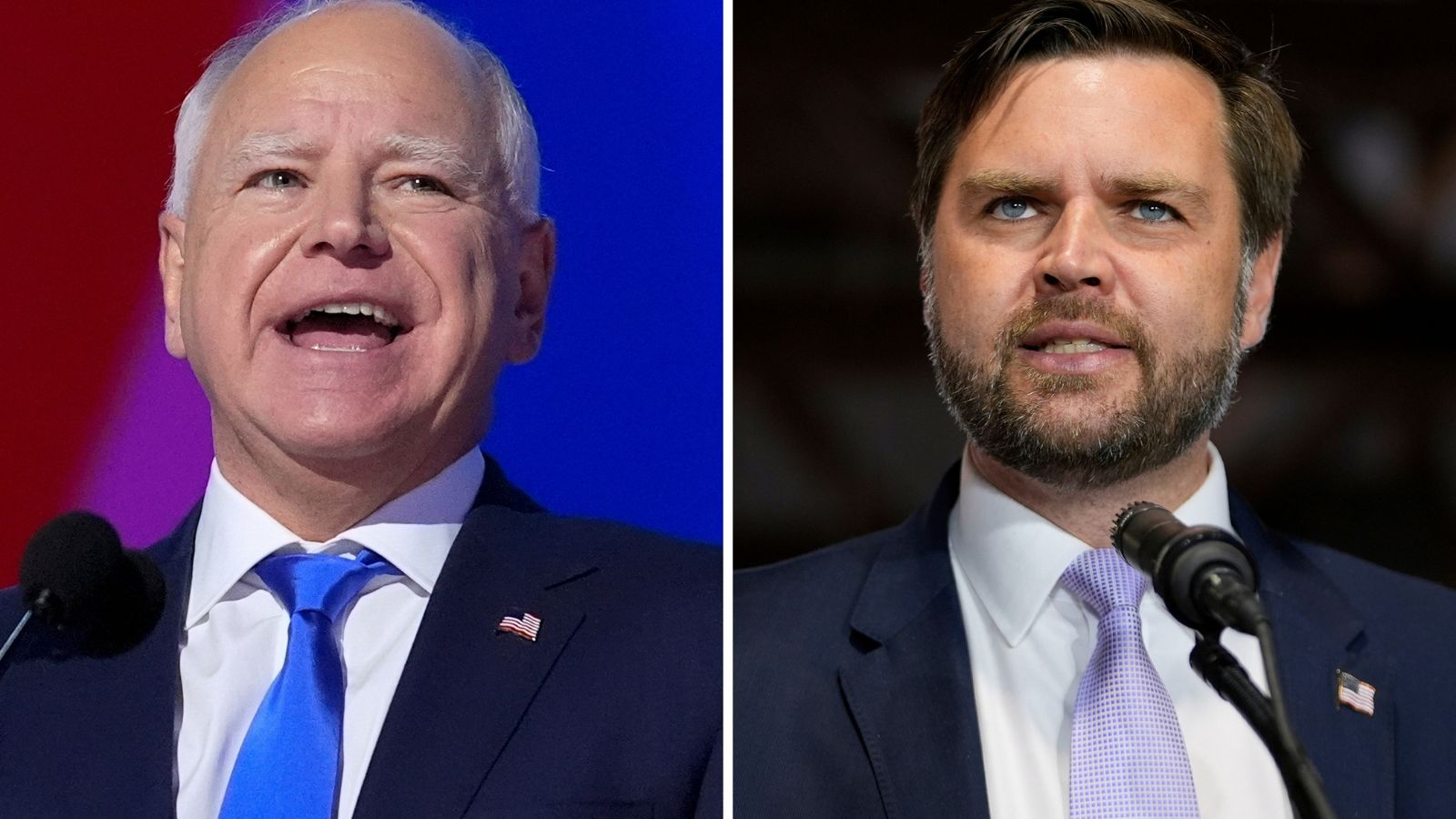
The highly anticipated vice presidential debate between Democrat Tim Walz and Republican JD Vance is set to take place Tuesday night. As the only debate between the vice presidential candidates for the 2024 election, this face-off could be the last time the two campaigns clash onstage. Hosted by CBS News in New York without a live audience, the debate is expected to be intense as both candidates look to reinforce their ticket’s message. Here are five key things to watch for:

1. The Coach vs. The Ex-Pundit Walz and Vance both come from Middle America and have well-crafted political personas. Walz, the 60-year-old Minnesota governor, brings his background as a high school teacher and assistant football coach to the debate stage, emphasizing his grassroots appeal. Vance, a 40-year-old Ohio senator, is a Marine veteran and author of a best-selling memoir about Appalachian family values. He’s likely to highlight his journey from Trump critic to supporter. Both will attempt to connect with voters in swing states by showcasing their authenticity and Middle America roots.

2. Abortion and Family Issues Expect abortion rights to be a key issue during the debate. Walz, representing the Democratic stance, has framed the debate around personal freedom and reproductive rights. Vance, who has taken a more conservative stance on abortion, has portrayed Walz as extreme on the issue, particularly attacking Walz’s signing of a law in Minnesota that allows late-term abortions. This will likely be a heated point of contention as both candidates try to appeal to women and young voters.

3. Which Version of Walz Will Show Up? Walz rose to national attention with sharp criticisms of Trump and his allies, branding them as “weird” in TV interviews. However, since being selected as Kamala Harris’ running mate, he has been relatively quiet. Whether he takes a more aggressive or restrained approach in the debate will be crucial in determining his effectiveness. Will he channel the energy that brought him to the ticket, or will he play it safe in front of a national audience?

4. Walz’s Military Record Under Scrutiny Vance has previously attacked Walz’s military service, accusing him of overstating his record and trying to avoid combat during his time in the Minnesota National Guard. Walz has admitted to misspeaking but insists he never falsely claimed to have been in combat. Vance is expected to continue pressing this issue, potentially forcing Walz to defend his record onstage.

5. Vance and the Springfield, Ohio Controversy Vance and Trump have faced criticism for making unsubstantiated claims about immigrants in Springfield, Ohio, accusing Haitian migrants of abducting pets. While these claims have been debunked, Vance has doubled down on the rhetoric, framing it as a broader critique of the Biden administration’s immigration policies. Expect Walz to bring up Vance’s controversial statements in an attempt to discredit him, while Vance will likely use it to keep immigration front and center in the debate.