Yazılar

Haitian Immigrants Fuel Springfield’s Growth Amid US Presidential Debate

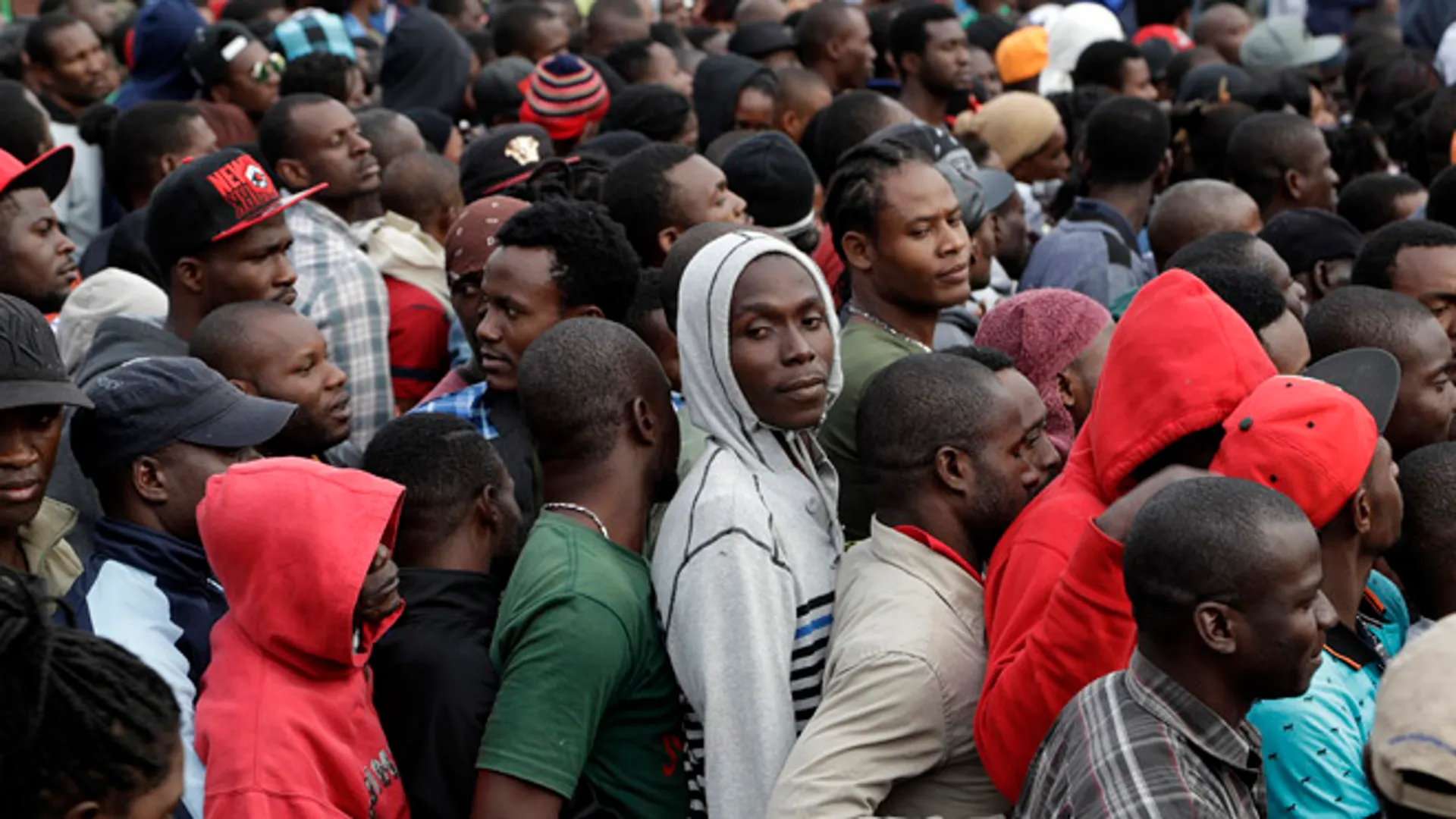
The influx of Haitian immigrants into Springfield has not only reshaped the struggling Midwestern industrial city but also placed it at the center of a national debate. Since 2022, immigrants like Rose Joseph and Banal Oreus, who followed different migration paths, have contributed to Springfield’s workforce. Joseph, who arrived in 2022, works in an Amazon warehouse and assists with seasonal tax preparation. Oreus, after an eight-year journey through Brazil, Portugal, and Mexico, reached Springfield in 2023 to join family and now works in manufacturing and supports newcomers with immigration services.

The arrival of up to 15,000 Haitian immigrants has offered both hope for economic revitalization and growing pains for the city. Springfield, with a population of 58,000, has experienced rising enrollment in Medicaid and food assistance programs, increased rents, and even vehicle accidents. However, local police data contradicts claims of increased crime tied to the immigrant community, despite false narratives circulating during the recent presidential debate. Republican candidate Donald Trump, alongside his running mate JD Vance, has falsely linked Haitian immigrants to crimes, including baseless allegations of violence and pet harm. City commissioners and local police have dismissed these claims, emphasizing the legality and contributions of the Haitian community.

The city’s economic landscape has shifted due to the growing population. Rents rose sharply between 2022 and 2023, but the housing market has since stabilized. Wages have seen significant growth, especially in response to the tight labor market, and although recent hiring has slowed, Springfield’s economy has benefited from the increased workforce.

Despite tensions, local leaders and business officials view the Haitian presence as a long-term asset. Springfield’s mayor, Rob Rue, acknowledges the current challenges but remains optimistic about the city’s future. Efforts are underway to find additional resources for public services and provide language assistance, as Haitian immigrants continue to play a vital role in filling job openings in manufacturing and distribution sectors.

While Springfield’s housing crisis predated the arrival of Haitian immigrants, signs of recovery are emerging with new housing developments, the revival of downtown real estate, and investment interest from the broader region, including the Intel chip plant near Columbus.

 

Harris Rattles Trump in Combative Debate

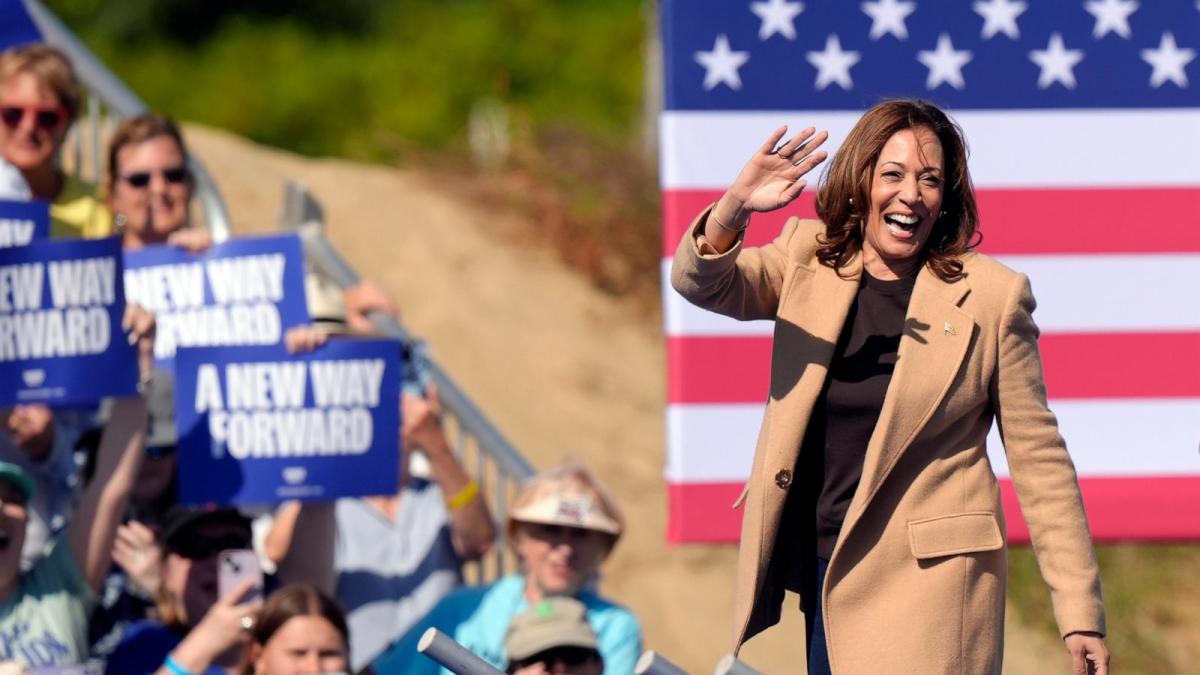
In a fiery debate, Kamala Harris, the Democratic candidate, put Republican rival Donald Trump on the defensive, targeting his qualifications, legal troubles, and stance on abortion. Harris, 59, a former prosecutor, repeatedly provoked Trump, 78, who responded with a series of falsehoods. Trump defended the size of his rallies and falsely claimed immigrants were eating pets in Ohio, to which Harris responded, “Talk about extreme.”

The debate, the only one scheduled before the election, covered immigration, foreign policy, and healthcare but was light on detailed policy discussions. Harris’ aggressive approach kept Trump off balance, leading to mixed reactions from Republicans, with some admitting Trump’s struggles. Online prediction markets showed a drop in Trump’s chances, while Harris saw a boost.

Harris challenged Trump to a second debate, but Trump, claiming victory, appeared non-committal.

Trump and Harris Compete for Black Voters in Georgia’s 2024 Battleground

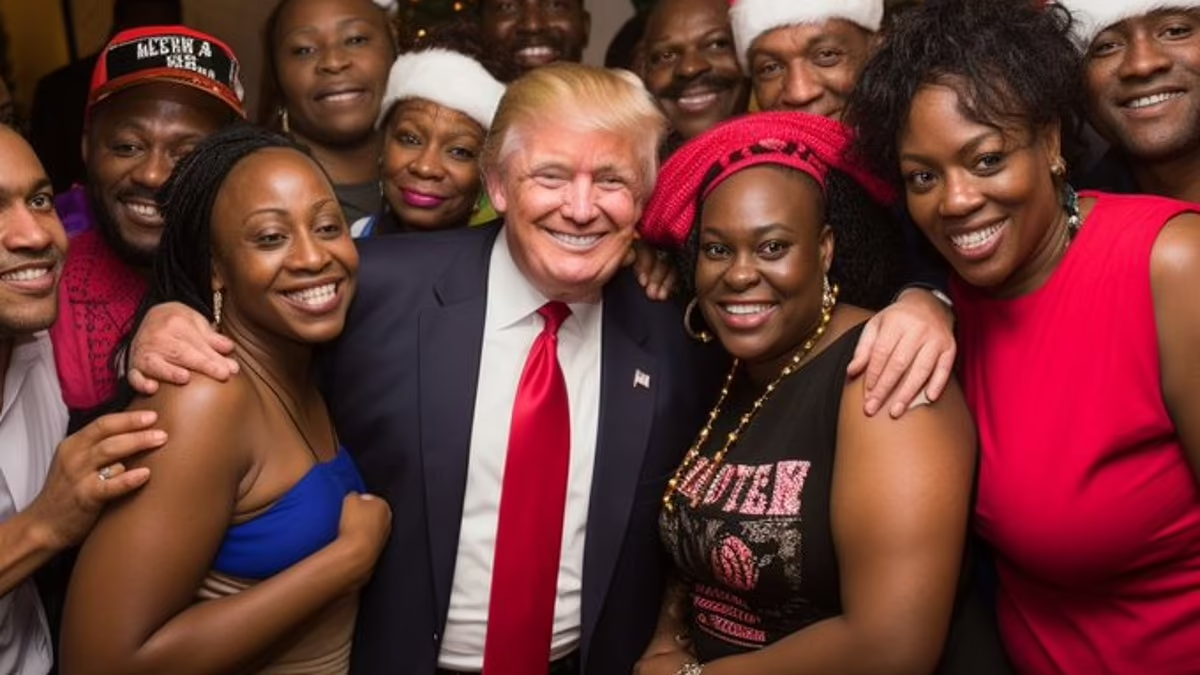
In the heated race for the 2024 U.S. presidential election, former President Donald Trump and Vice President Kamala Harris are in a fierce battle for Black voters in Georgia, a key battleground state. Vivian Childs, a Black Baptist minister and ardent Trump supporter, is rallying Republicans in Valdosta, Georgia, encouraging them to focus on Trump’s economic policies, stance on illegal immigration, and approach to inflation as part of their pitch to Black voters. Childs emphasizes the need for unity and insists that Trump’s policies benefit all Americans, irrespective of race.

Georgia has emerged as a must-win state for Trump, particularly after Harris entered the race as the Democratic candidate in July. Her nomination energized voters, creating a significant shift in the state’s political landscape. Polls now show a tight race, with Trump and Harris virtually tied in Georgia, a dramatic change from earlier polls that had Trump leading President Joe Biden by six percentage points before Harris joined the race.

The competition for Black voters in Georgia is especially fierce, as they constitute about a third of the state’s population, the highest proportion among the battleground states. Despite traditional loyalty to the Democratic Party, Trump is making inroads among Black voters, particularly young Black men who feel disillusioned with the Democrats due to economic challenges. While Trump’s past racist remarks and Republican-supported voting restrictions have complicated his appeal to Black voters, his campaign is actively courting this demographic with promises of economic opportunities and addressing issues like inflation and immigration.

Picture background

Meanwhile, Harris’ campaign is focusing on lowering drug prices, increasing taxes on large corporations and the wealthy to fund housing, and offering tax breaks for working parents. The Harris campaign has also been reaching out to Black voters in Georgia from the outset, aiming to protect freedoms and ensure economic progress for families.

The stakes are high for both candidates. Trump is striving to improve his performance among Black voters, having secured about 11% of the Black vote in Georgia during the 2020 election. A higher share of Black support could secure his victory in the state, relieving pressure to win other critical battleground states. However, Trump’s comments questioning Harris’ racial identity have sparked controversy, potentially alienating some voters.

Georgia’s political landscape has been transforming in recent years, particularly in areas like Cobb County, which has shifted from being a predominantly white, Republican stronghold to a more diverse, competitive region. Both campaigns are working tirelessly to secure votes through grassroots efforts, events, and advertising.

For Republicans, the message revolves around economic opportunities, faith, and conservative values, while Democrats are focusing on issues like student loan forgiveness, affordable healthcare, and support for historically Black colleges and universities. The battle for Black voters in Georgia has become one of the most critical aspects of the 2024 election, with both sides pouring significant resources into the state in hopes of tipping the balance in their favor.

As the race intensifies, Black voters in Georgia find themselves at the center of a political tug-of-war that could decide the outcome of the election.