Yazılar

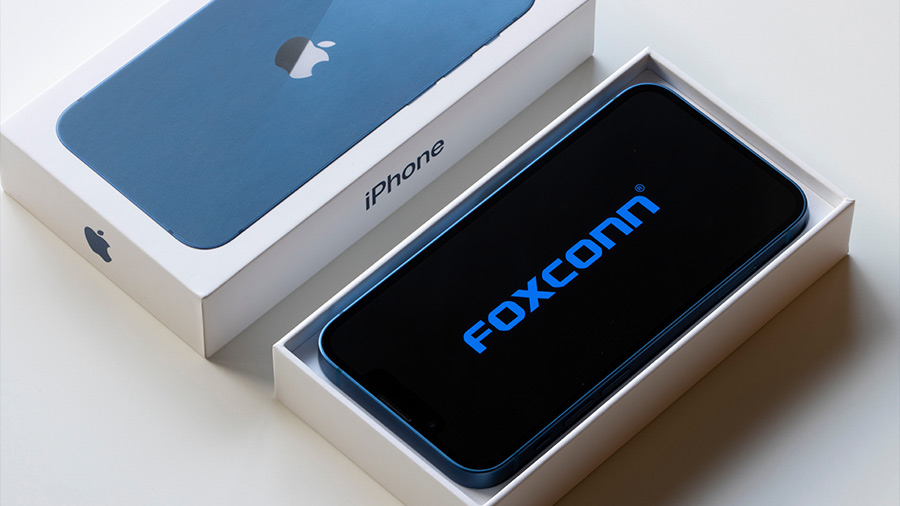
iPhone Production Begins at Tata’s New Facility as Foxconn Gears Up, Signaling Apple’s Growing Focus on India

Apple is steadily expanding its manufacturing footprint in India, with a new plant in southern India recently commencing iPhone production. This move marks a strategic effort to diversify production away from its primary manufacturing base in China, which has faced challenges amid escalating trade tensions between the US and China. The new facility, operated by Tata Electronics in Hosur, Tamil Nadu, has begun assembling older iPhone models, signaling Apple’s commitment to scaling operations in the region.

The backdrop to this expansion is the ongoing trade war between Washington and Beijing, where US tariffs on Chinese goods have raised concerns about supply chain disruptions and increased costs. Although electronics have so far been exempted from tariffs, the threat of future levies has prompted Apple to seek alternatives. India’s growing manufacturing ecosystem and favorable government policies have made it an attractive destination for Apple to mitigate risks and reduce dependency on Chinese production.

In addition to Tata Electronics’ plant, a $2.6 billion facility run by Foxconn is nearing completion in Bengaluru, Karnataka. According to multiple sources, the Foxconn plant is expected to start initial operations soon, with production ramping up through one assembly line initially. The factory is projected to produce the latest iPhone 16 and 16e models and will eventually create around 50,000 jobs when it reaches full capacity, anticipated by the end of 2027.

This expansion reflects Apple’s long-term vision to strengthen its supply chain resilience and capitalize on India’s manufacturing potential. By establishing multiple production hubs in India, Apple not only reduces its exposure to geopolitical risks but also taps into a vast and growing market. The company’s investment signals confidence in India as a vital player in the global smartphone supply chain in the years to come.

Star Health Hacker Claims Responsibility for Death Threats and Bullet Packages Sent to Executives

The hacker known as xenZen”, who last year leaked sensitive data from Star Health and Allied Insurance CompanyIndia’s largest health insurer—has claimed responsibility for sending death threats and bullet cartridges to the company’s top executives, according to a March 31 email obtained by Reuters.

In a chilling escalation, xenZen said the threats were a direct reprisal for the insurer’s alleged denial of medical claims to customers. The packages, reportedly sent in February to Star Health’s headquarters in Chennai, Tamil Nadu, were addressed to CEO Anand Roy and CFO Nilesh Kambli. Inside, a note warned:

next one will go in ur and ur peoples head. tik tik tik.”

Reuters reviewed photographs included in the hacker’s email that appear to show the threatening packages. While the news agency has not independently verified the hacker’s identity or the full accuracy of the information provided, three Indian police sources confirmed that a criminal investigation is underway. According to one source, a man in the neighboring state of Telangana has been arrested for allegedly facilitating the delivery of the packages.

Star Health declined to comment in detail, citing an “ongoing, highly sensitive criminal investigation.” CFO Kambli directed inquiries to the company’s PR team, and CEO Roy did not respond to calls for comment.

The case adds to growing concerns over executive security in the healthcare industry, especially after the murder of UnitedHealthcare CEO Brian Thompson in December — an incident that reportedly inspired xenZen’s threats.

Last year, the hacker leaked what they claimed was 7.24 terabytes of personal data related to over 31 million customers, including medical reports and insurance details. Star Health confirmed the data breach, which followed a ransom demand of $68,000. The company has since launched legal action against xenZen and Telegram, which was used to distribute the stolen data via chatbots. Those bots have since been removed.

In the latest email, xenZen claimed the threats followed requests from disgruntled customers who alleged their valid claims had been denied despite having coverage. Star Health has not responded to these specific allegations.

As the case unfolds, the incident raises urgent questions about data security, corporate accountability, and the physical safety of executives in an era where cyberattacks increasingly blur into real-world consequences.

LG and Samsung Take Legal Action Against Indian Government Over E-Waste Pricing Rules

LG and Samsung Challenge India’s E-Waste Policy in Court Over Pricing Dispute

South Korean electronics giants LG and Samsung have filed legal petitions against the Indian government, seeking to overturn a policy that mandates higher payouts to electronic-waste recyclers. The companies argue that the pricing regulation poses a threat to their business operations in the country. The lawsuits are part of a broader wave of legal challenges from major players in the industry who say the new rules, though environmentally motivated, could create an undue financial burden.

The cases are scheduled to be heard on Tuesday, along with other petitions filed by corporations facing similar concerns. This legal action signals a growing conflict between global manufacturers and the administration of Prime Minister Narendra Modi over India’s tightening environmental standards. While the government aims to bring structure and accountability to its waste management systems, companies fear rising compliance costs and supply chain disruptions.

India is currently the world’s third-largest generator of e-waste, following China and the United States. However, only about 43 percent of the country’s e-waste was formally recycled last year, according to government data. The sector remains largely unregulated, with informal scrap dealers handling roughly 80 percent of the processing. In response, the government introduced a policy to establish a minimum floor price to encourage formalization and investment in the recycling industry.

Despite earlier lobbying efforts, LG and Samsung now join other firms such as Daikin, Havells, and Voltas in taking legal action. The government maintains that the pricing mandate is essential for building a sustainable and efficient e-waste ecosystem, but the companies remain firm in their stance that the regulation is impractical and damaging to business. As the legal battle unfolds, the outcome could shape the future of India’s e-waste policy and its relationship with foreign manufacturers.