Yazılar

Apple Expands Partnership with Tata to Handle iPhone and MacBook Repairs in India

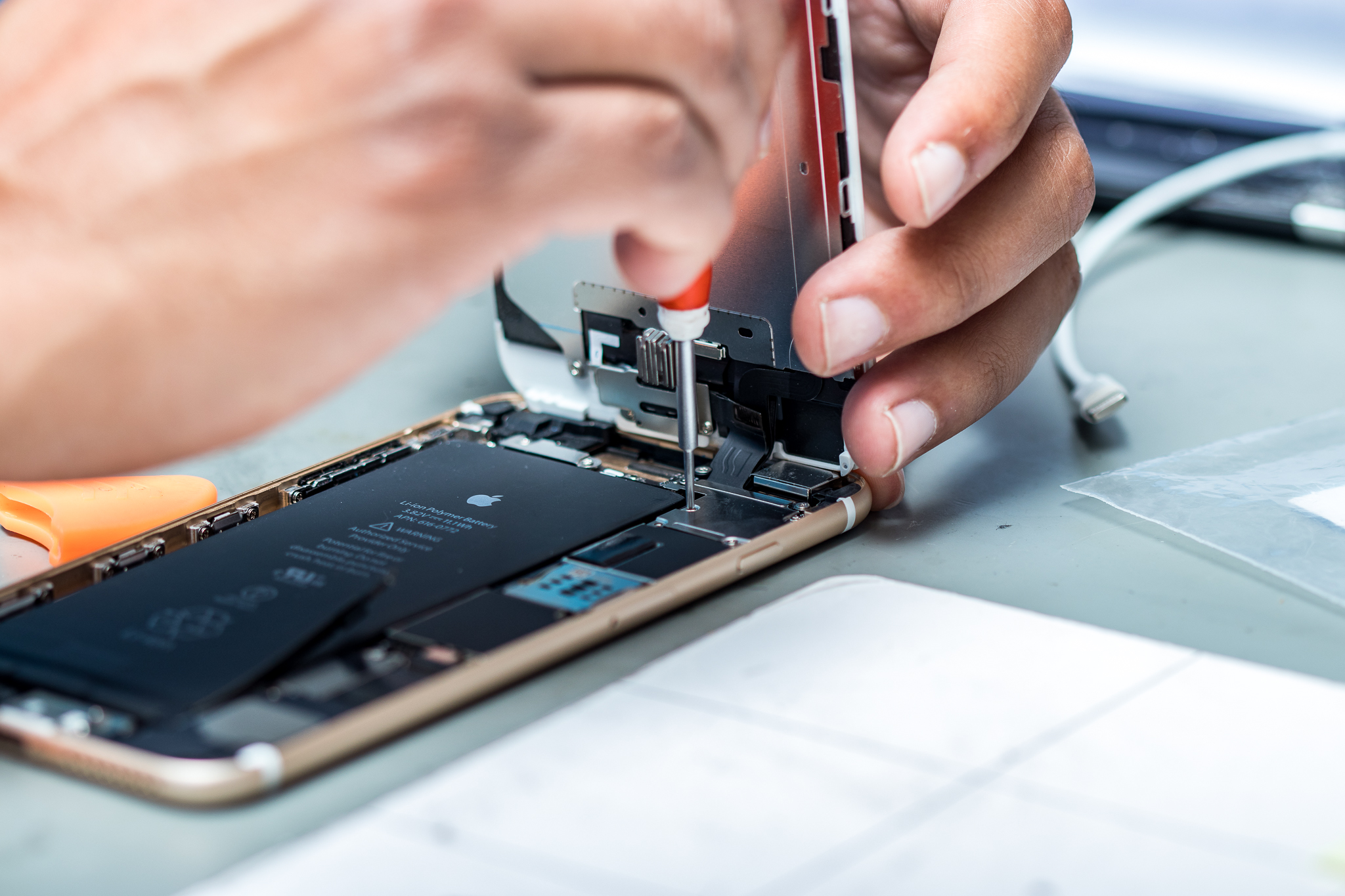
Apple has deepened its collaboration with India’s Tata Group by handing over the repair business for iPhones and MacBook devices to Tata, two sources familiar with the matter revealed. This move underscores Tata’s expanding role in Apple’s supply chain as the U.S. tech giant shifts more manufacturing and operations beyond China.

Tata, which already assembles iPhones and components at three facilities in South India, will take over after-sales repairs from an Indian unit of Taiwan-based Wistron, called ICT Service Management Solutions. The repairs will be conducted at Tata’s Karnataka campus, where it also handles iPhone assembly.

The repair market in India is growing rapidly alongside soaring iPhone sales. Counterpoint Research estimates about 11 million iPhones were sold in India last year, boosting Apple’s market share there from 1% in 2020 to 7% in 2024.

Industry experts suggest this increased trust in Tata could pave the way for Apple to sell refurbished devices directly in India, similar to its practice in the United States.

Currently, Apple’s official service centers in India handle basic repairs, but complex fixes will be routed to Tata’s facility. Wistron’s ICT unit will continue servicing other clients but will no longer handle Apple’s repairs.

India’s rising importance in Apple’s global supply chain is also highlighted by CEO Tim Cook’s recent statement that most iPhones sold in the U.S. during the June quarter will be made in Indian factories. This shift comes amid growing concerns over tariffs and supply chain diversification away from China.

Neither Apple, Tata, nor Wistron responded to requests for comment.
Walmart’s Flipkart Secures RBI Approval for Direct Lending in India

Walmart-owned Flipkart has obtained a non-bank finance company (NBFC) licence from India’s central bank, the Reserve Bank of India (RBI), enabling the e-commerce giant to directly lend to customers and sellers on its platform. This marks the first time RBI has granted such a licence to a major Indian e-commerce player, allowing Flipkart to offer loans without relying on third-party lenders.

The certificate of registration, officially recognizing Flipkart Finance Private Limited as an NBFC, was issued on March 13, 2025. Flipkart applied for the licence in 2022, and the approval, previously unreported, was confirmed by company spokespersons after Reuters reviewed the official documents.

Currently, Flipkart offers personal loans through partnerships with banks and NBFCs like Axis Bank, IDFC Bank, and Credit Saison. With the new licence, it can launch a more profitable direct lending operation on its e-commerce platform and its fintech app, super.money. The company is also considering offering financing options to sellers on its platform.

The start of lending operations depends on internal steps such as appointing key management and finalizing business strategies. A source familiar with the matter expects Flipkart to commence lending “in a few months.”

Flipkart, valued at $37 billion following a $1 billion funding round led by Walmart in 2024, is in the process of shifting its holding company from Singapore to India. Walmart acquired a controlling stake in Flipkart in 2018, which also included ownership of PhonePe, a fintech firm planning its own IPO.

Flipkart’s competitor Amazon recently acquired Indian NBFC Axio, but that deal awaits RBI approval.

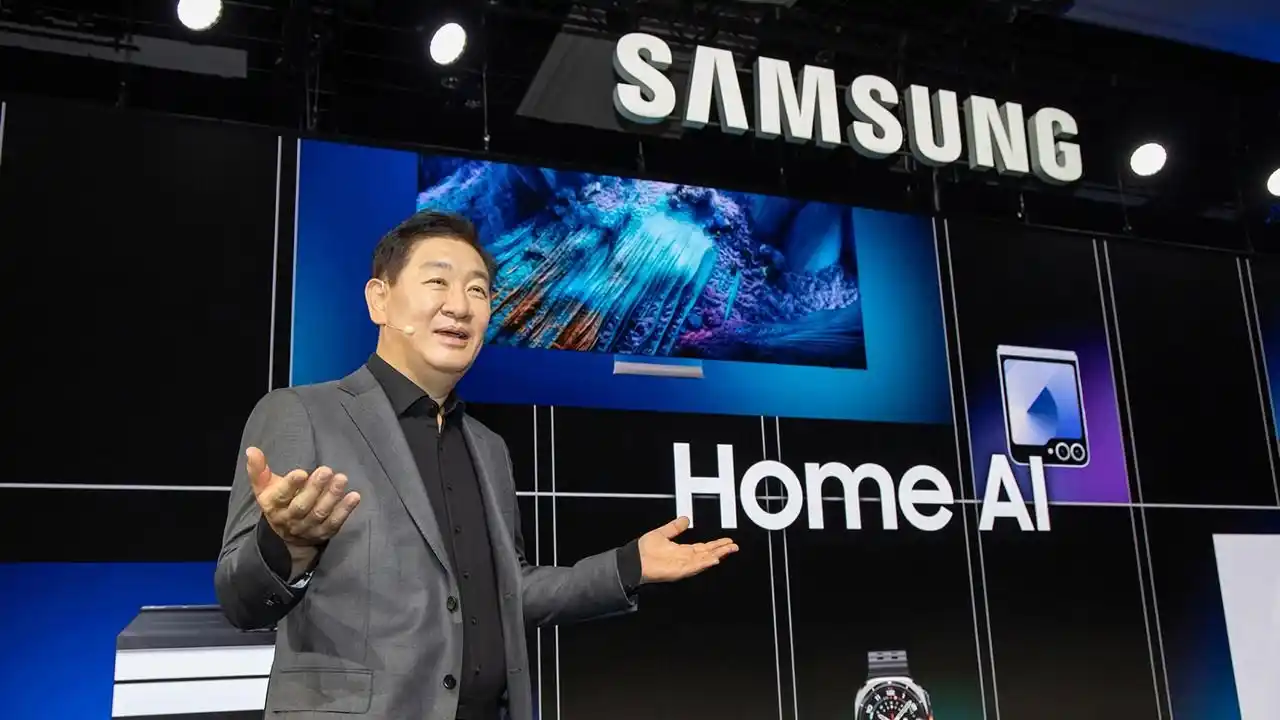
Samsung Launches 2025 Smart TV Series in India Featuring Vision AI: Pricing and Availability Details

Samsung has officially launched its 2025 smart TV lineup in India, unveiling a diverse range of models including Neo QLED 8K, Neo QLED 4K, OLED, QLED, and The Frame series. A standout feature of this new collection is the introduction of Vision AI technology, marking the first time Samsung integrates this advanced artificial intelligence system into its smart TVs in the Indian market. Initially showcased at CES 2025 earlier this year, Vision AI is designed to enhance the viewing experience by making the TVs more interactive and responsive to user needs.

Pricing for Samsung’s 2025 smart TV lineup varies by model and features. The premium Neo QLED 8K series starts at Rs. 2,72,990, while the Neo QLED 4K models begin from Rs. 89,990. The OLED range is priced starting at Rs. 1,54,990, and the QLED smart TVs are available from Rs. 49,490. For those interested in Samsung’s artistic “The Frame” TVs, prices kick off at Rs. 63,990. Customers eager to own these TVs can place pre-orders starting May 7 via Samsung’s official website, popular e-commerce portals, and offline retail outlets.

To sweeten the deal, Samsung is offering attractive launch promotions including a free soundbar worth up to Rs. 90,990, cashback offers of up to 20 percent, and zero down payment options on EMI transactions. These offers are valid until May 28, making it an ideal time for consumers to upgrade their home entertainment setup. This launch is also notable for Samsung’s strategic push to position its smart TVs as intelligent home hubs, thanks to the Vision AI integration.

Vision AI brings several innovative features to the lineup. One such feature is Universal Gesture Control, which enables users to operate their TVs through simple hand gestures when paired with a compatible Galaxy Watch. Another exciting addition is Generative Wallpaper, allowing users to personalize their TV’s idle screen with custom 4K wallpapers created by AI. Furthermore, Samsung has embedded Vision AI within its SmartThings ecosystem, transforming the smart TV into a central control point for smart home devices — delivering real-time home status updates, safety alerts, and automation recommendations for a seamless connected living experience.