Yazılar

Indian Ministers Promote Homegrown Alternatives to Google, Microsoft Amid Rising U.S. Trade Tensions

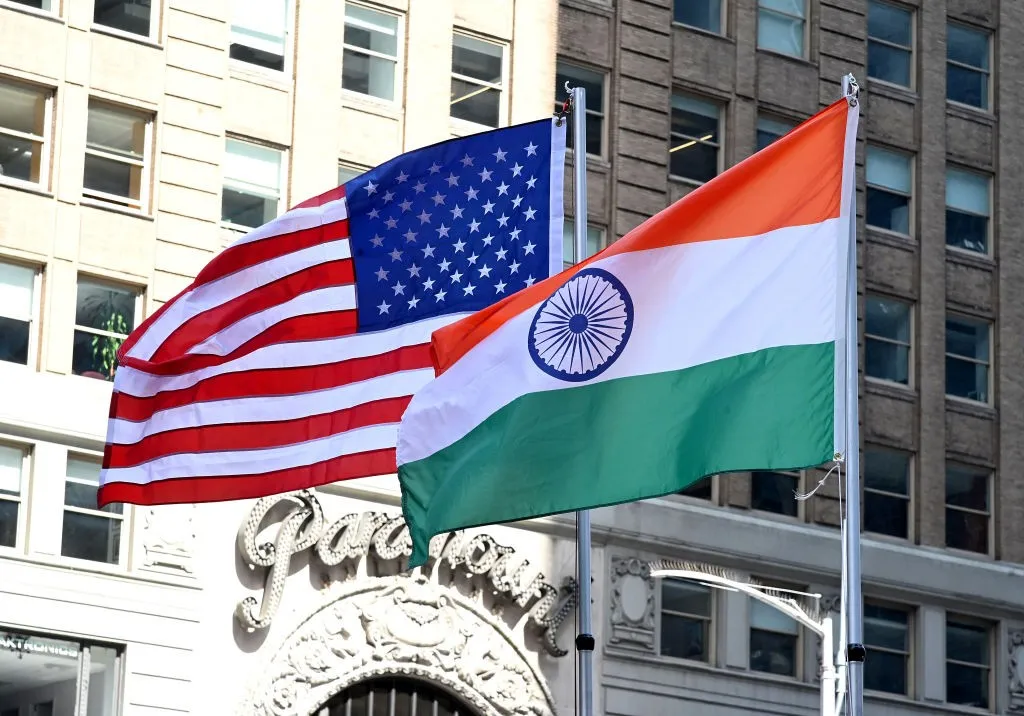
Three senior ministers in Prime Minister Narendra Modi’s cabinet are urging Indians to adopt domestic alternatives to U.S. tech giants like Google, Microsoft, and Meta, marking the strongest government endorsement yet of “Made in India” technology amid escalating trade frictions with the United States.

The push follows Washington’s decision in August to impose 50% tariffs on Indian imports, a move that has fueled nationalist calls for economic self-reliance. Modi has since urged citizens to replace daily-use foreign products with “swadeshi” (indigenous) alternatives, aligning the campaign with his broader vision of digital sovereignty.

This week, Information Technology Minister Ashwini Vaishnaw showcased highway project plans using Zoho software—an Indian rival to Microsoft PowerPoint—and MapmyIndia, instead of Google Maps. “The map is from MapmyIndia, not Google Maps,” he said, smiling. “It’s looking nice, right? Swadeshi.

Vaishnaw’s social media video testing Zoho’s software attracted 6.2 million views on X, urging users to support Indian digital tools. Similarly, Commerce Minister Piyush Goyal and Education Minister Dharmendra Pradhan have promoted Zoho’s messaging app Arattai (“chat” in Tamil), calling it a symbol of India’s technological independence. Goyal posted on X, “So proud to be on @Arattai, a #MadeInIndia messaging platform that brings India closer.”

The campaign appears to be paying off: according to Sensor Tower, Arattai downloads surged from under 10,000 in August to over 400,000 in September, with daily active users doubling to 100,000 by September 26.

Still, experts caution that displacing entrenched global brands such as WhatsApp, Google Maps, and Microsoft Office will be difficult. India remains WhatsApp’s largest market, with more than 500 million users, and U.S. platforms dominate both consumer and enterprise software ecosystems.

Dilip Cherian, co-founder of Perfect Relations, warned that “only state patronage will not be enough.” For Indian challengers like Zoho to succeed, he said, they need “a unique differentiating factor, deep pockets, and strong protection against surveillance.”

Zoho’s billionaire co-founder Sridhar Vembu has become a national symbol of tech self-reliance through his rural-based business model, which runs key operations from small villages rather than major tech hubs.

India’s digital strategy increasingly reflects a geopolitical balancing act: promoting technological independence and data sovereignty while maintaining access to U.S. innovation and investment. Whether apps like Zoho and Arattai can sustain momentum without losing the enthusiasm of government boosters remains an open question.
Indian Court Rejects X’s Challenge to Modi Government’s Content Removal Rules

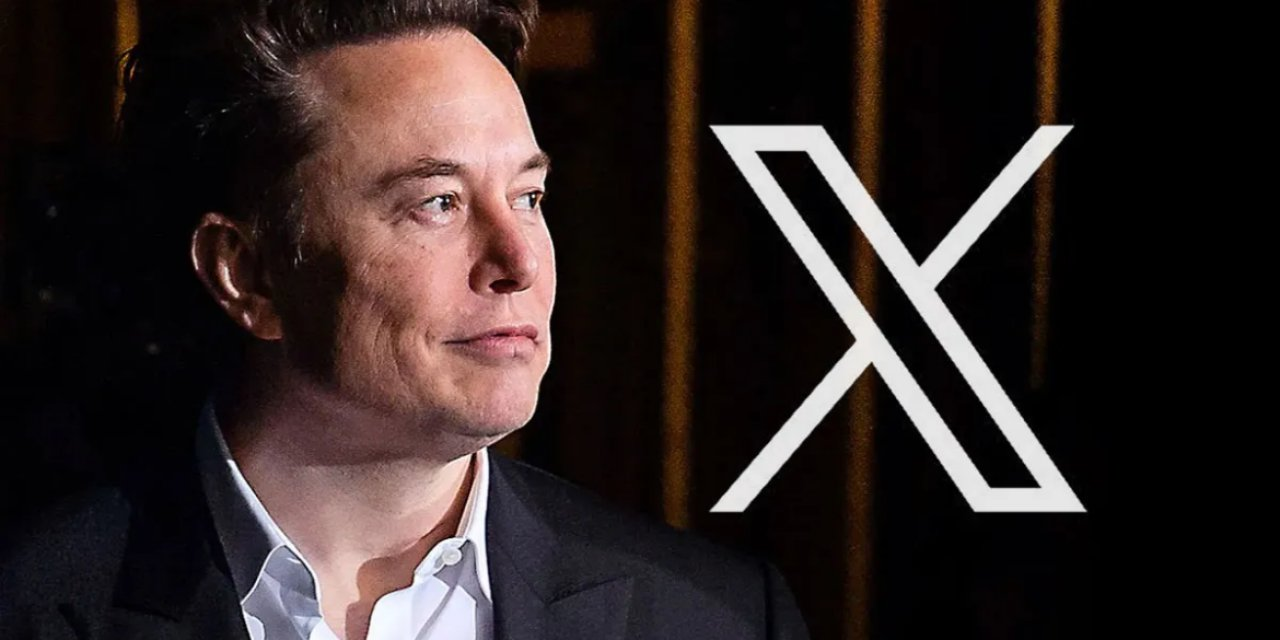
An Indian court has dismissed X’s legal bid to overturn the country’s new content removal system, ruling that the social media platform—owned by Elon Musk—must comply with local laws despite its claims that the mechanism amounted to censorship.

The case centered on Prime Minister Narendra Modi’s tightened internet regulations introduced in 2023. The rules allow a wider range of government officials to issue takedown orders directly through a centralized government website launched in October.

X had argued the measures were unconstitutional and gave “every Tom, Dick, and Harry” the power to censor speech online. But Justice M. Nagaprasanna of Karnataka’s high court rejected the claim, stating: “Every platform that seeks to operate within the jurisdiction of our nation must accept that liberty is yoked with responsibility.”

The ruling follows months of legal battles between X and government lawyers. India’s government defended the system as a way to combat unlawful online content, misinformation, and material it says spreads hate and division, while ensuring greater accountability for platforms.

Officials also noted that other tech giants, including Meta and Google, support the government’s approach.

X, which has repeatedly clashed with authorities worldwide over compliance demands, now faces the possibility of appealing the decision to India’s Supreme Court.

India downplays Foxconn disruption from Chinese staff pullback

India’s government said Foxconn’s operations in the country remain largely unaffected despite the company recalling some of its Chinese engineers and technicians in recent months.

S. Krishnan, secretary at the Ministry of Electronics and Information Technology, told reporters in Taipei that Foxconn had managed the adjustment smoothly, relying on staff from Taiwan, the U.S., and local Indian workers to keep production stable. “Operations did not really suffer significantly,” he said.

Foxconn, Apple’s top iPhone assembler, has been expanding in India as part of efforts to diversify production away from China, particularly amid the risk of triple-digit U.S. tariffs on Chinese goods. The company already runs a plant near Chennai and is building another near Bengaluru.

Bloomberg previously reported that hundreds of Chinese employees were asked to return home, though the reasons remain unclear. Both Foxconn and Apple declined to comment.

The backdrop includes lingering India-China tensions since their 2020 border clash, which led New Delhi to tighten restrictions on Chinese firms and ban dozens of Chinese apps. Relations have warmed somewhat, with Indian Prime Minister Narendra Modi meeting President Xi Jinping last month in Beijing for the first time in seven years.

Krishnan emphasized that Foxconn is “committed to see through all the investments in India,” noting its expansion has been “very significant.”