Yazılar

Modi and Lula Discuss Trade, U.S. Tariffs, and BRICS Strategy Amid Trump’s Economic Offensive

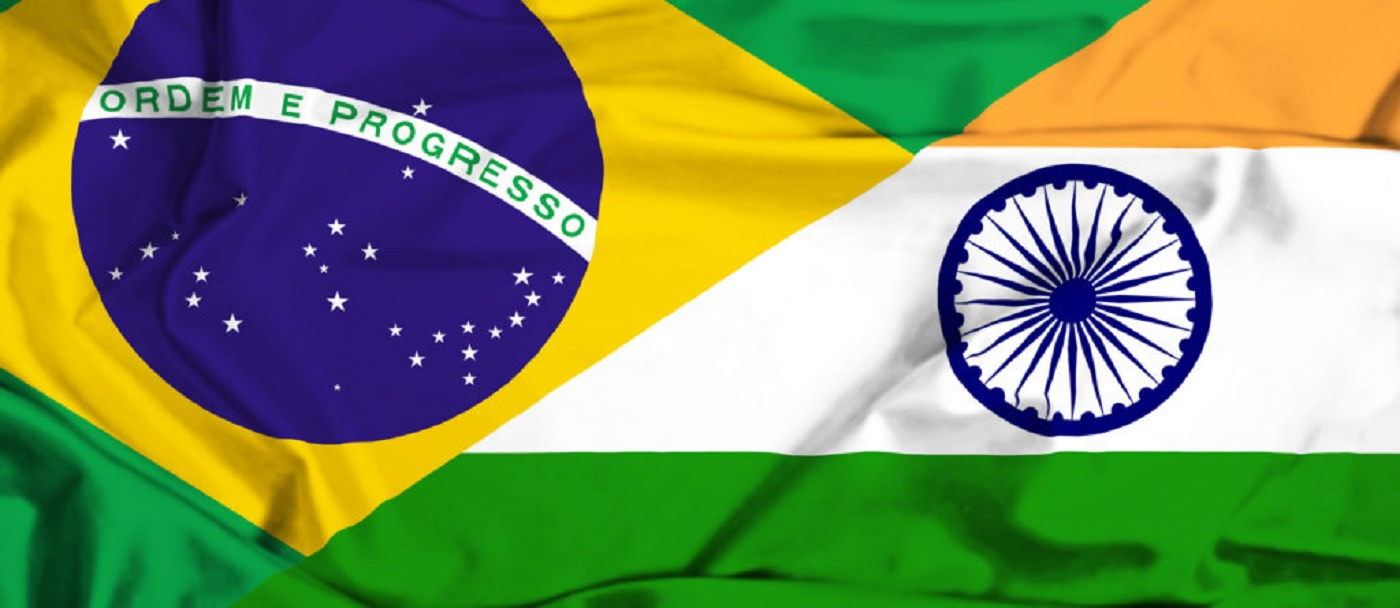
Indian Prime Minister Narendra Modi and Brazilian President Luiz Inácio Lula da Silva held a phone call on Thursday, addressing a range of issues including new U.S. tariffs targeting both nations. The discussion came just a day after Lula told Reuters he planned to raise the matter within the BRICS group — comprising Brazil, Russia, India, China, and South Africa — to coordinate a response.

Lula confirmed he would make a state visit to India in early 2026. According to his office, both leaders reviewed the global economic climate and condemned the “unilateral tariffs” recently announced by U.S. President Donald Trump, noting that Brazil and India are currently the hardest hit.

Trump’s latest measures include an additional 25% tariff on Indian goods — raising the total duty to 50% — effective August 28, citing India’s continued purchases of Russian oil. Brazil faces a 50% tariff on most exports, with smaller increases for sectors such as aircraft, energy, and orange juice. Trump linked the move to what he described as a “witch hunt” against former President Jair Bolsonaro, who is on trial for an alleged coup plot after his 2022 election loss.

During their conversation, Modi and Lula reiterated their ambition to boost bilateral trade to over $20 billion annually by 2030, up from roughly $12 billion last year. They agreed to expand the preferential trade agreement between India and the South American trade bloc Mercosur and explored cooperation on digital payment systems.

While Modi’s statement did not explicitly mention Trump or U.S. tariffs, it confirmed that both leaders exchanged views on regional and global issues. India is signaling a possible shift in foreign policy following Washington’s tariff escalation, with Modi preparing for his first visit to China in over seven years — a move that could indicate a strategic rebalancing.
Musk vs. Modi: Inside the Battle Over India’s Expanding Internet Censorship

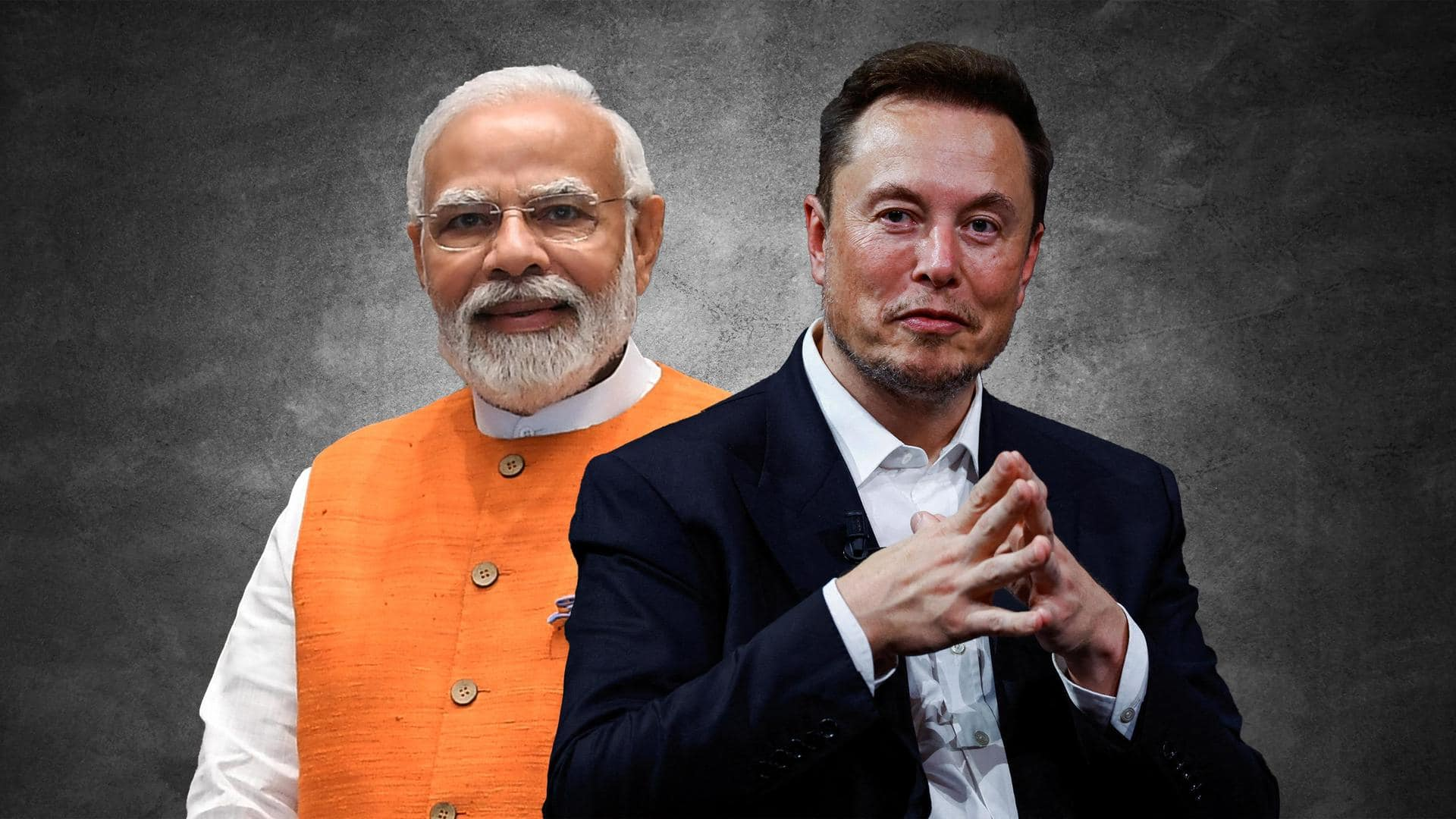
Since 2023, India under Prime Minister Narendra Modi has significantly tightened its internet censorship, empowering hundreds of officials and thousands of police officers to submit direct takedown orders to social media platforms via a government portal called Sahyog. This has sparked a high-stakes legal battle between Elon Musk’s social media platform X (formerly Twitter) and the Indian government, challenging the constitutionality of these sweeping censorship measures.

X alleges the crackdown suppresses free speech by enabling arbitrary removal of posts critical of public officials, satire, or politically sensitive content, while Indian authorities argue the moves are necessary to combat unlawful content and maintain public order. The government points out that major tech firms like Meta and Google support its approach, though both declined to comment on this specific dispute.

Court documents and police interviews reviewed by Reuters reveal a system where thousands of takedown requests have targeted a broad range of content, from misinformation and communal tensions to political cartoons mocking Modi and regional leaders, and even news coverage of a deadly stampede at New Delhi’s largest railway station. Many posts remain online, highlighting friction over what content crosses the line.

The case has also spotlighted the controversial Sahyog website, which X calls a “censorship portal,” refusing to participate and filing suit against the government. The platform’s challenge in the Karnataka High Court centers on whether the government can delegate broad censorship powers to multiple agencies without transparent, judicial oversight.

Despite the legal conflict, Musk and Modi maintain a publicly amicable relationship, with Musk praising India’s potential and planning to expand Tesla and Starlink operations there. However, behind the scenes, Indian police officers have criticized X for failing to act on cultural sensitivities and takedown requests, with some content considered offensive or taboo in the Indian context.

This clash highlights the global tension between free speech ideals and governments’ desire to control online content, intensified in India—the world’s largest internet market—where digital censorship has grown rapidly under Modi’s administration.

Musk’s Starlink Receives Final Regulatory Approval to Launch Commercial Operations in India

India’s space regulator, the Indian National Space Promotion and Authorization Centre (IN-SPACe), granted Starlink a license on Wednesday to commence commercial satellite internet operations in the country. This clears the last regulatory barrier for Elon Musk’s satellite broadband provider to enter the Indian market.

Starlink had been waiting since 2022 for the necessary approvals. Last month, it received a key license from India’s telecom ministry, but awaited clearance from the space regulator. The newly issued license is valid for five years.

Starlink becomes the third company authorized by India to provide satellite internet services, following approvals granted to Eutelsat-backed OneWeb and Reliance Jio. Next steps for Starlink include securing spectrum allocation from the government, establishing ground infrastructure, and conducting testing to comply with India’s security regulations.

The licensing process was marked by a prolonged dispute between Musk’s Starlink and billionaire Mukesh Ambani’s Reliance Jio over how satellite spectrum should be allocated. The Indian government sided with Starlink, ruling that spectrum should be assigned directly rather than auctioned.