Yazılar

Apple Still Barred from Selling iPhone 16 in Indonesia Despite Investment Deal

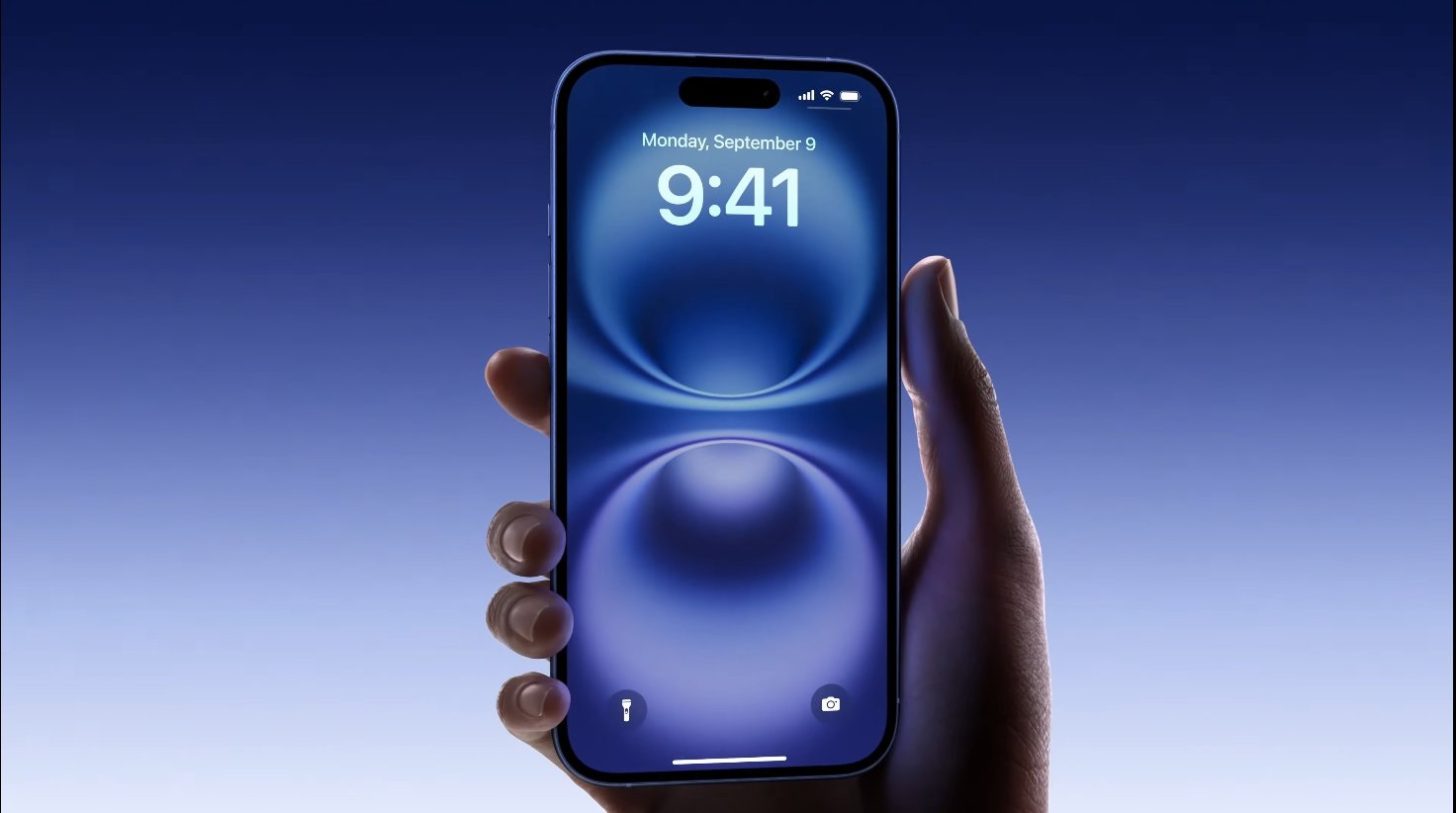
Apple remains unable to sell its iPhone 16 in Indonesia, despite reaching a deal to establish a local production facility. The issue stems from the company’s failure to meet Indonesia’s domestic content requirements, which mandate that smartphones sold within the country must contain at least 35% locally made parts.

According to Indonesia’s Industry Minister, Agus Gumiwang Kartasasmita, although Apple has signed an agreement to build a facility on Batam Island to produce its Airtag tracking device, this does not fulfill the necessary local content criteria for iPhones. The minister clarified that the production of Airtags does not directly contribute to the local assembly of iPhone components, and therefore, the factory will not help Apple secure the certification needed to sell the iPhone 16 in Indonesia.

While the facility will be worth $1 billion and is expected to begin operations in 2026, the minister emphasized that the local content rule applies strictly to phone components. As of now, Apple has no manufacturing operations in Indonesia, though it has established application developer academies in the country since 2018.

Apple’s ongoing efforts to enter the Indonesian market come after a series of meetings between the company and Indonesia’s government. Apple proposed “innovative investment” solutions, which Indonesia countered with conditions for meeting local manufacturing requirements.
 

Indonesia to Implement Child Protection Guidelines for Social Media Ahead of Age-Limit Law

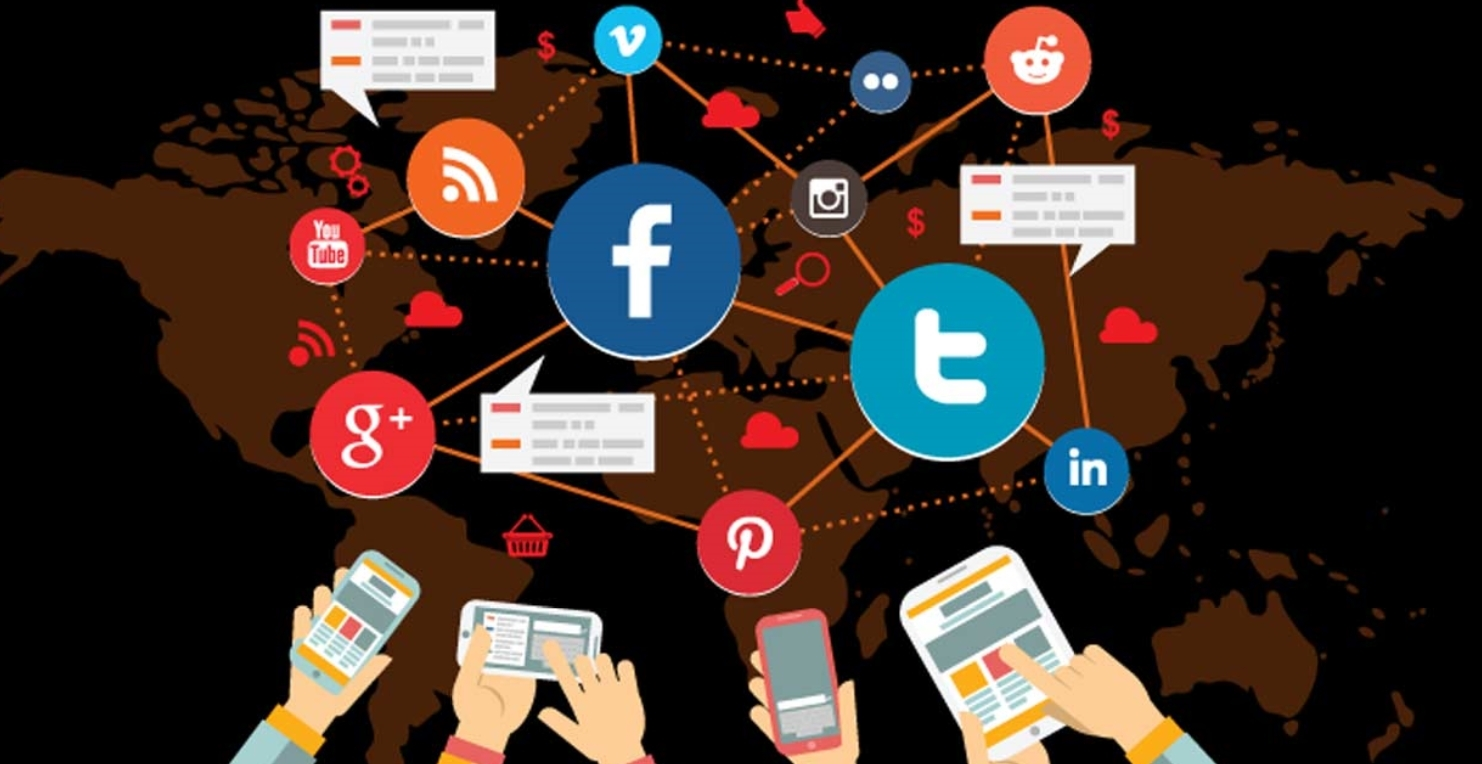
Indonesia is taking steps to enhance child protection on social media platforms while the government works on creating a law to set a minimum age for users. This move follows discussions between communications minister Meutya Hafid and President Prabowo Subianto about safeguarding children online. The country will impose interim regulations requiring social media companies to follow child protection guidelines, focusing on preventing physical, mental, or moral harm to minors.

The government’s action comes after Australia implemented a similar measure, banning children under 16 from accessing social media platforms, and penalizing tech giants like Meta and TikTok if they failed to enforce the rule. While Indonesia is working toward formalizing the law, senior communications ministry official Alexander Sabar emphasized that these new guidelines would not completely restrict children’s access to social media, but rather aim to protect them from harmful content.

Meta and TikTok have yet to respond to requests for comment on the matter. Local parents, like Nurmayanti, have expressed support for measures to protect children from inappropriate content. However, Anis Hidayah, a commissioner with Indonesia’s human rights body, cautioned that while child protection is critical, the government must balance the measures with children’s right to access information. Surveys show nearly half of children under 12 in Indonesia use social media platforms like Facebook, Instagram, and TikTok.


Apple Nears Indonesian Approval to Lift iPhone 16 Ban Following $1 Billion Investment

Apple is on the verge of securing approval from the Indonesian government to lift the ban on iPhone 16 sales, following a significant development in its ongoing negotiations with the country. Indonesian President Prabowo Subianto recently gave his backing for the government to accept a $1 billion investment from Apple. This move comes after a series of discussions aimed at resolving the impasse between the tech giant and the Indonesian authorities. According to sources familiar with the matter, the approval was granted after a briefing with Prabowo over the weekend, where the details of Apple’s proposal were carefully reviewed.

The tension between Apple and Indonesia began last month when the government imposed a ban on iPhone 16 sales, citing Apple’s failure to comply with local content regulations for smartphones and tablets. These regulations require that a certain percentage of a device’s components be sourced domestically, which Apple had not met, leading to the suspension of its flagship device’s sale in the country. The ban has been a point of contention, as Apple’s devices are highly popular in Indonesia, and the company sought a way to resolve the issue.

During the meeting, Prabowo not only authorized the acceptance of Apple’s $1 billion investment but also encouraged his cabinet to seek further investments from other foreign companies. The government’s decision reflects Indonesia’s interest in boosting its technological and industrial capabilities, as well as securing more foreign investment to strengthen its economy. By welcoming Apple’s investment, the government hopes to foster a better relationship with the company and potentially unlock future growth opportunities.

As the situation unfolds, the lifting of the iPhone 16 ban would be a significant win for Apple, allowing the company to resume its sales in one of Southeast Asia’s largest and most dynamic markets. This resolution underscores the importance of foreign investment in Indonesia’s economic strategy, as well as the influence of multinational companies like Apple in shaping global trade policies and regulatory environments.