Yazılar

Intel Announces Board Reshuffle Amid Turnaround Efforts

Intel has announced that three board members—Omar Ishrak, Tsu-Jae King Liu, and Risa Lavizzo-Mourey—will not stand for reelection at the company’s 2025 annual meeting, according to a regulatory filing on Thursday. This move is part of Intel’s ongoing board restructuring to align with its renewed focus on the semiconductor industry under newly appointed CEO Lip-Bu Tan.

The changes will reduce the board’s size to 11 members. Meanwhile, Intel has already bolstered its leadership with industry veterans Eric Meurice, former CEO of ASML, and Steve Sanghi, interim CEO of Microchip Technology, who joined in December. These appointments mark a shift away from Intel’s previous board composition, which included leaders from academia, finance, and healthcare.

In a letter to shareholders, Tan emphasized his commitment to Intel’s turnaround strategy, focusing on both product innovation and contract chip manufacturing. His appointment follows the departure of former CEO Pat Gelsinger, whose severance package was approximately $7.9 million.

Former Intel CEO Pat Gelsinger Joins Playground Global as General Partner

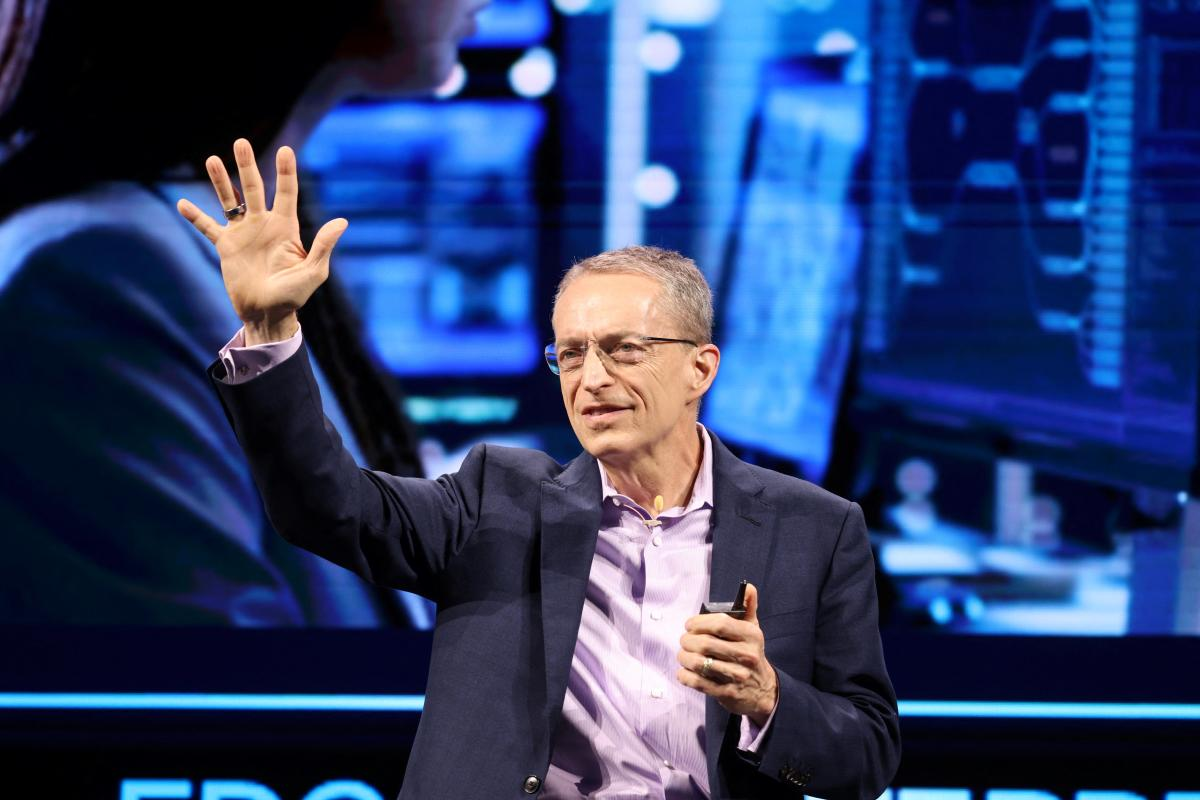
Pat Gelsinger, the former CEO of Intel, has joined venture capital firm Playground Global as a general partner. In addition to his new role, Gelsinger has also joined the board of xLight, a startup focused on developing advanced chip manufacturing technology.

Playground Global and Gelsinger’s Role

Founded in 2015, Playground Global is a Silicon Valley-based venture capital firm with $1.2 billion in assets under management. The firm specializes in deep technology investments, including semiconductors and AI. Playground’s notable investments include MosaicML, an AI firm sold to Databricks in a $1.3 billion stock deal, and PsiQuantum, a quantum computing firm raising funds to build quantum computers in the U.S. and Australia.

Gelsinger, who left Intel after disagreements with its board over his turnaround strategy, will focus on supporting 10 to 20 of Playground’s portfolio companies. His mission is to identify technologies that can deliver breakthroughs, specifically those that can perform at least 10 times better than current solutions.

Focus on Innovation in Semiconductor Technology

One of Gelsinger’s first moves is to join xLight, a Playground portfolio company, as executive chairman. xLight is developing a new type of laser technology to produce extreme ultraviolet (EUV) light for chip manufacturing. This technology aims to use significantly less electricity than current EUV lasers, which are produced by ASML Holding, the industry leader in lithography machines.

Gelsinger believes that this new laser technology could significantly enhance chip production capabilities, making chips smaller and faster—a continuation of the progress first outlined by Moore’s Law, which predicts the doubling of transistors on a chip approximately every two years. He emphasized the importance of advancing these technologies domestically, particularly in the U.S., to ensure continued innovation in the semiconductor industry.

Looking Ahead

Gelsinger’s move to Playground Global signals his commitment to driving innovation in the semiconductor and tech industries. His extensive experience at Intel and deep understanding of chip manufacturing will bring valuable insights as he works to accelerate advancements in cutting-edge technologies that could shape the future of computing.

European Lawmakers Urge Quick Action on Chips Act 2.0 to Boost AI and Semiconductor Investment

European lawmakers have called on the European Commission to expedite the development of a new support program for the region’s semiconductor industry, particularly focusing on investment in AI chips and addressing technological gaps. A letter, authored by representatives from three major factions in the European Parliament and signed by 54 lawmakers, emphasized the urgency of bolstering Europe’s semiconductor sector.

The letter highlighted recent geopolitical developments that have underscored the need for Europe to secure continued access to advanced technologies. Lawmakers expressed concern that the progress under the original 2023 Chips Act has been too slow, urging the European Commission to act more swiftly.

The lawmakers’ plea follows a similar call from leading European chip industry firms, which have also voiced concerns over the pace of progress. While the European Commission has signaled plans to launch five new investment packages this year to support European industries, including AI, the letter criticized the absence of semiconductor-focused measures in these packages. Semiconductors, the lawmakers stressed, are central to the EU’s industrial ambitions, and the current lack of targeted support for the sector could hinder Europe’s technological and economic future.

The initial EU Chips Act prompted a wave of investment but fell short of attracting advanced chipmakers, with Intel notably halting plans for a large new factory in Germany. The lawmakers urged the Commission to address these gaps and act quickly, especially given the current geopolitical realities surrounding competition between the United States and China.

The letter also emphasized the need for Europe to protect its key players from the implications of extraterritorial laws and the escalating global competition in the semiconductor industry.