Yazılar

Tokyo Metro Shares Surge 45% in Market Debut After $2.3 Billion IPO

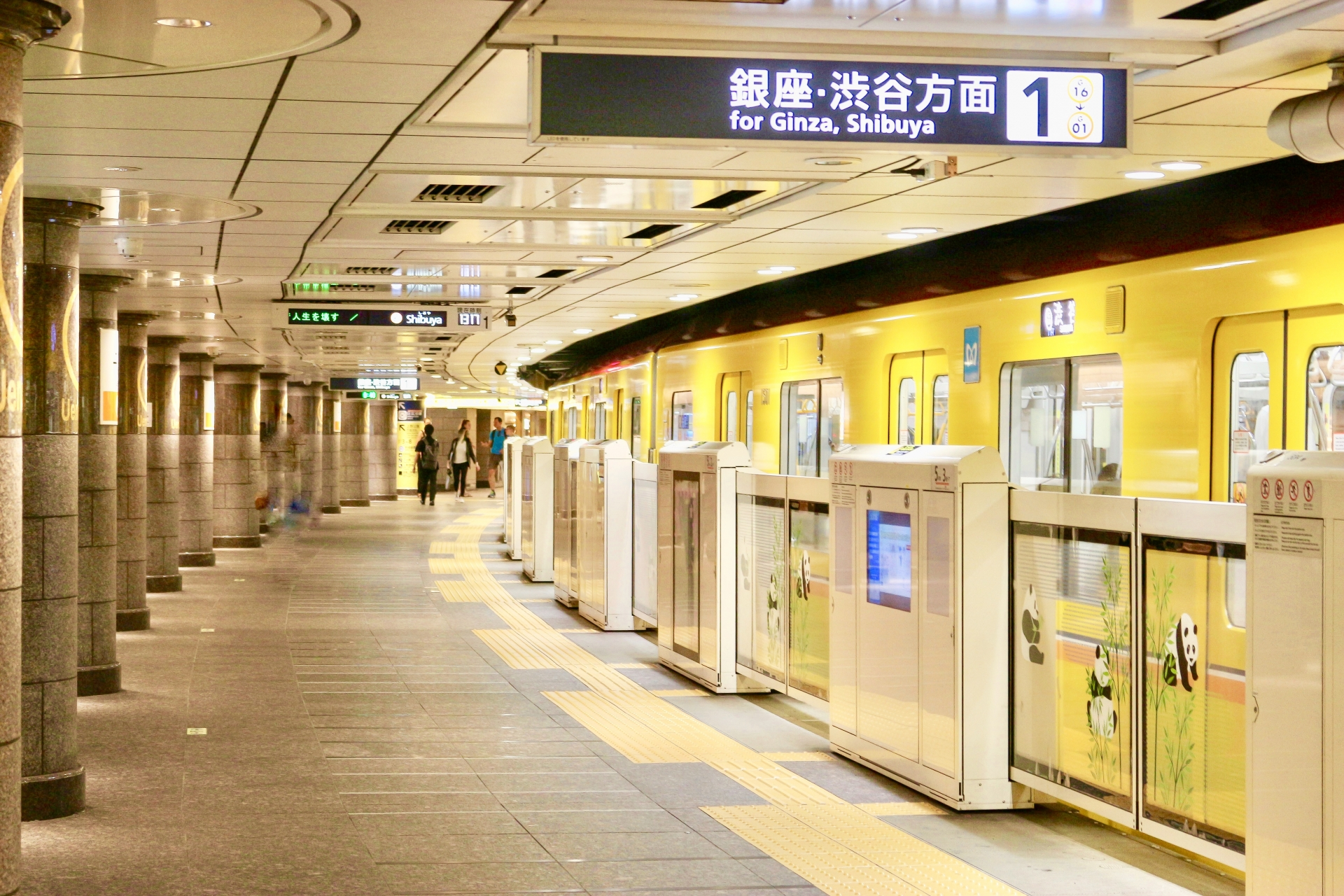
Tokyo Metro (9023.T), Japan’s largest subway operator, saw a 45% jump in its shares during its market debut on Wednesday following the country’s biggest initial public offering (IPO) in six years. The company raised ¥348.6 billion ($2.3 billion) from the IPO, with shares closing at ¥1,739 ($11.43) on the Tokyo Stock Exchange, giving Tokyo Metro a valuation of around ¥1 trillion ($6.6 billion). The IPO was priced at ¥1,200 per share, and the offering was more than 15 times oversubscribed, driven by strong demand due to high dividend yields.

This marks the best IPO performance for a large Japanese company since 2018, when flea market app Mercari surged 77% on its debut. Tokyo Metro’s success reflects investor confidence in the stability and growth of its core business as well as the allure of substantial dividends. Travis Lundy, an analyst at Smartkarma, commented, “It’s a well-known, well-respected and stable business which offered a decently high dividend yield at IPO.” The subway operator expects to pay a dividend of ¥40 per share for the fiscal year ending March 2025, with perks for shareholders, such as noodle shop toppings.

Strong Investor Interest and Tokyo Metro’s Growth

The IPO led to a surge in brokerage account openings, as investors were eager to participate in the offering. At its IPO price, the dividend yield was 3.3%, and though the price surge brought the yield down to 2.3%, it remains competitive with similar companies like Kyushu Railway.

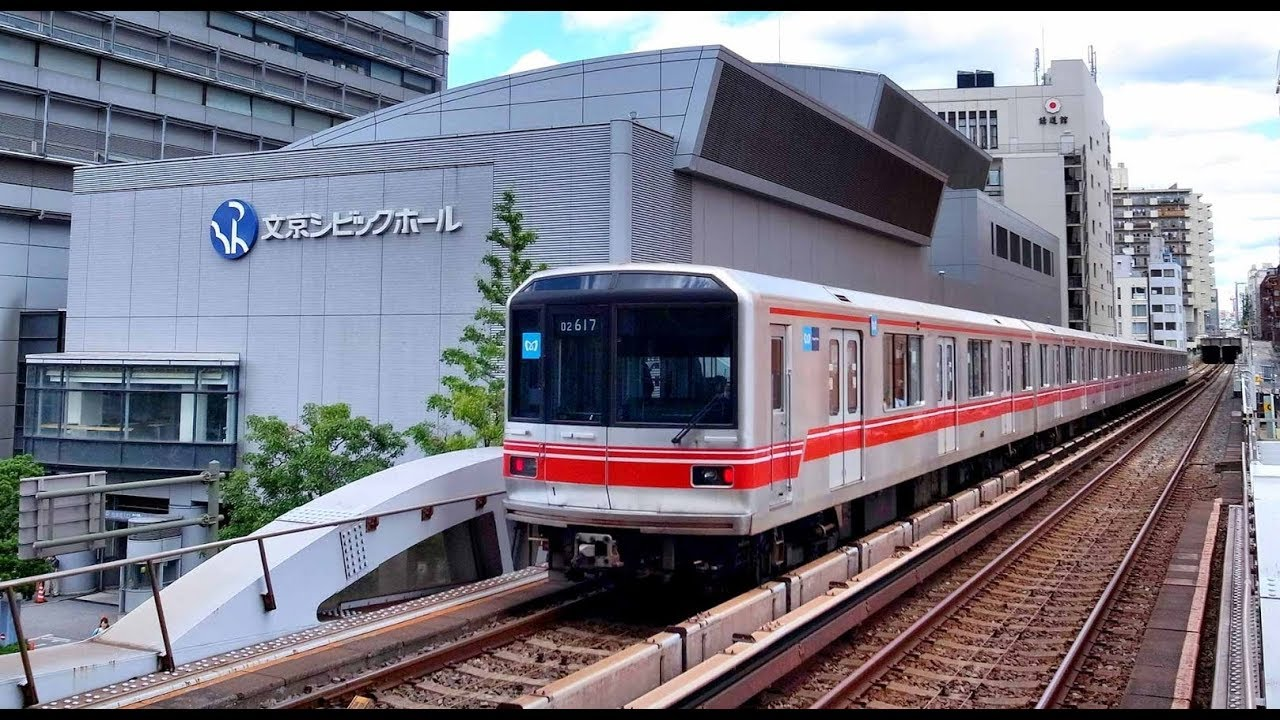
Founded in 1920, Tokyo Metro runs 195 kilometers (120 miles) of subway lines, serving 6.5 million passengers daily. In addition to transportation, the company has interests in real estate and retail, contributing to its overall valuation and appeal to investors. The company’s strong position in Tokyo, one of the world’s largest urban markets, has made it an attractive choice for both institutional and individual investors.

Broader Impact and Japan’s IPO Landscape

This IPO is the largest in Japan since SoftBank Group listed its telecom unit in 2018. The Japanese IPO market has seen $4.9 billion worth of offerings this year, the highest in six years, despite some volatility caused by a surprise interest rate hike and a change in prime minister. Bain Capital’s scrapped IPO of chipmaker Kioxia last month illustrates the mixed sentiment in Japan’s market.

In another notable IPO, Rigaku Holdings, a manufacturer of X-ray testing tools, is expected to debut soon after raising $863 million. Tokyo Metro’s successful debut adds momentum to a market that has seen its benchmark Nikkei index rise 14% year-to-date.
Shein and Temu Prices Set to Rise as Biden Administration Targets Chinese E-Tailers

The ultra-low prices that have made Shein and Temu popular among American consumers could increase significantly as the Biden administration moves to restrict a trade law loophole. The changes to the de minimis provision could result in price hikes of at least 20%, according to the Republican-majority House Select Committee on the Chinese Communist Party (CCP). This provision currently allows products under $800 to enter the U.S. without import duties, which has enabled companies like Shein and Temu to sell goods at bottom-barrel prices.

Retail analyst Neil Saunders from GlobalData concurs that the elimination of the de minimis exemption would drive up costs, although the exact increase is difficult to predict. While Shein and Temu would still offer low-cost items, their competitive edge in pricing might diminish, potentially impacting their market share. Saunders also suggested that these retailers may shift to higher-priced goods to counterbalance the loss of their price advantage.

On Friday, the Biden administration unveiled plans to halt the use of the de minimis exemption for products subject to U.S.-China tariffs, intensifying pressure on the Chinese-linked e-commerce platforms. This comes after more than a year of bipartisan scrutiny from lawmakers, specifically the House Select Committee on the CCP. The committee has been investigating both Shein and Temu, with accusations that they exploit the loophole to evade U.S. Customs scrutiny.

Shein and Temu have not confirmed whether they will raise prices in response to the proposed changes but maintain that their low prices are driven by their business models, not the de minimis exemption. Shein, for example, has already joined a voluntary pilot program with U.S. Customs and Border Protection to increase transparency in its shipping practices.

Impact on Competition

The rising prices could erode the significant price gap between Shein, Temu, and their competitors like H&M, Zara, Target, and Amazon. As of June, the average price of a dress on Shein was $28.51, well below H&M’s $40.97 and Zara’s $79.69, according to research firm Edited. A 20% increase would bring the average Shein dress price to $34.21, narrowing its competitive pricing advantage.

The companies’ long shipping times, coupled with smaller price differences, could push consumers toward more established retailers with faster delivery times. Although the de minimis reform aims to create a level playing field, it could ultimately lead to higher prices for consumers.

Political and Economic Scrutiny

The scrutiny on Shein and Temu extends beyond pricing. Last year, the House Select Committee began investigating their alleged use of forced labor in supply chains, as well as their reliance on the de minimis exemption. The committee claimed that the majority of their products fall under this exemption, enabling the companies to dodge import duties and Customs scrutiny, a claim that Shein disputes.

Shein’s hopes for a U.S. public offering have been dampened by these investigations. As lawmakers push for de minimis reform, Shein’s plans for a New York IPO appear to have stalled. Instead, the company has turned to London, where it has confidentially filed for a public listing.

It remains unclear how these proposed changes will impact Shein’s IPO plans or Temu’s continued growth in the U.S. market. However, with mounting scrutiny and potential price increases, both companies may face significant challenges in maintaining their current market positions.


Japan and Tokyo Governments Eye $4.7 Billion Valuation for Tokyo Metro in Upcoming IPO

Japan’s national and Tokyo governments are targeting a 700 billion yen ($4.7 billion) valuation for Tokyo Metro as they gear up for what could be the nation’s largest initial public offering (IPO) in nearly six years. The listing, expected to take place as early as late October, will see the sale of half of the company, potentially raising 350 billion yen. This IPO is poised to surpass the size of Kokusai Electric’s IPO last year and become the biggest since SoftBank Group listed its wireless unit in 2018.

Currently, the two governments own 100% of Tokyo Metro, with the central government holding a 53.4% stake and the Tokyo government owning the remaining 46.6%. The funds from the IPO will be used by the central government to repay reconstruction bonds issued after the devastating 2011 earthquake and tsunami. As they move forward with the listing, the governments plan to brief brokerages within the week and anticipate approval from the Tokyo Stock Exchange by mid-September.

Tokyo Metro, with a rich history dating back to 1920, operates 195 kilometers (120 miles) of subway lines that serve 6.5 million passengers daily. The company has diversified its business to include real estate and retail, and it reported a significant rise in net profit to 46 billion yen for the financial year ending in March 2024, as Japan’s economy rebounded from the COVID-19 pandemic.

Nomura, Mizuho, and Goldman Sachs have been appointed as the joint global coordinators for the listing, which is set to mark a significant moment in Japan’s financial and infrastructure sectors.